Your tourism business deserves a digital foundation you can actually control. Too many accommodation providers, tour operators, and hospitality venues fall into the trap of building their whole online presence on social media platforms.
Sure, these platforms offer fantastic reach and engagement. But relying on them as your primary business presence puts your entire operation at the mercy of algorithm changes, account suspensions, and platform policies you can’t influence.

Here’s the tough truth: social media users don’t really belong to you, they belong to the platform. If you’ve spent years building a following on Instagram or Facebook, that audience could vanish overnight if your account gets flagged, hacked, or suspended.
Smart tourism operators use social media as a complement, not a replacement, for a website and email list that they actually own and control.
Your business needs a digital home base that no tech giant can snatch away. By building your own website and growing direct relationships through email marketing, you’re investing in assets that grow in value over time, rather than risking it all on someone else’s rules.
Key Takeaways
- Social media platforms can delete your account instantly, taking years of audience building with it
- Owning your website and email list creates permanent assets that appreciate in value over time
- Use social media as a marketing channel, not as your primary business foundation online
The Trap of Relying on Social Media as Your Main Online Presence
When you build your tourism business solely on social media platforms, you’re basically building your digital empire on rented land. You lose control over your customer relationships and face constant algorithm changes.
If platforms decide to shut your accounts down, you risk losing everything with no warning. That’s a scary thought, isn’t it?
Lack of Ownership and Control
You don’t own your Facebook page, Instagram profile, or TikTok account. These platforms pull all the strings.
Meta might change Facebook’s terms of service overnight. Instagram can suddenly alter how your posts appear to followers. TikTok could restrict your content with zero explanation.
Your tourism business becomes vulnerable when you can’t:
- Control how customers find you
- Decide what content gets priority
- Set your own rules for engagement
- Access your followers if you switch platforms
A boutique hotel in Byron Bay learned this the hard way when Instagram tweaked its algorithm. Their booking enquiries dropped 60% in three months because fewer followers saw their stunning property photos.
You’re playing by someone else’s rules. YouTube can demonetize your travel vlogs. Snapchat might change features that worked perfectly for your adventure tours.
The risks of relying solely on social media go way beyond just algorithms. You’re building your reputation on platforms that care more about their profits than your business success.
Action point: Start building your own website now, even a simple one. Take back your digital presence.
Vulnerability to Sudden Account Deletion
Social media giants can delete your account in a split second, with no warning and no real appeal. Years of content, customer relationships, and brand building can just vanish.
Tourism businesses face unique risks here. Maybe a wine tour operator posts harvest photos that get flagged by an algorithm. A diving school might have safety videos removed for some mysterious policy violation.
Common reasons tourism accounts get deleted:
- Mistaken spam detection
- False copyright claims on destination photos
- Automated systems flagging legitimate business content
- Mass reporting by competitors or disgruntled customers
A Queensland reef tour company lost their Instagram account with 50,000 followers after posting underwater footage. The automated system flagged it as dangerous content. Appeals dragged on for six months, with no guarantee of getting the account back.
Social media dependency creates real dangers for your business continuity. You just can’t reason with Facebook’s algorithms or negotiate with Instagram’s policies.
The reality hits hard: Your competitor keeps operating while you scramble to rebuild from scratch. Customer bookings dry up because they can’t find you online.
Action point: Spread your online presence across multiple platforms and always keep your own website as your main hub.
Limited Customer Data Access
Social media platforms keep a tight grip on valuable customer information. You can’t export email addresses, contact details, or booking preferences from your followers.
Instagram won’t let you download your followers’ email addresses. Facebook limits how you can contact people who like your page. TikTok barely gives you any analytics about your audience.
What you’re missing without direct customer data:
- Email addresses for newsletters and promotions
- Phone numbers for booking confirmations
- Demographic details for targeted marketing
- Purchase history and preferences
- Ability to remarket to past customers
A Tasmanian eco-lodge built up 20,000 Facebook followers over five years. When they wanted to launch email marketing for off-season promos, they realized they had zero email addresses to work with.
The limitations of social media-only strategies become painfully clear when you need to reach your customers directly. You’re just borrowing engagement, not owning relationships.
Your competitors with email lists can: Send personalized offers, announce new tours, stay in touch during platform outages, and build long-term loyalty.
Action point: Start collecting email addresses right away through your website, booking forms, and lead magnets like free travel guides.
Adapting to Platform Algorithm Changes
Social media algorithms change all the time, often crushing your organic reach without warning. Content that once reached thousands might suddenly reach only a handful.
Facebook’s algorithm now favors posts from friends over business pages. Instagram pushes video content over photos. TikTok’s trending topics can shift overnight and leave your content in the dust.
Recent algorithm changes affecting tourism businesses:
- Instagram reducing reach for accounts with external links
- Facebook prioritizing local business content inconsistently
- YouTube changing monetization requirements for travel channels
- TikTok suppressing content with certain location tags
A Melbourne food tour company saw their Facebook reach plummet 80% after an algorithm update. Posts about weekend tours that used to reach 5,000 people now barely cracked 500.
Relying only on social media creates marketing risks you simply can’t control. Algorithm changes happen with zero input from small businesses.
The constant adaptation cycle is exhausting. You spend more time learning new features than serving customers. Your marketing budget gets eaten up boosting posts that used to reach people for free.
Action point: Build a diversified marketing strategy, mix in email, SEO, and direct website traffic alongside social media.
Risks of Putting All Your Eggs in the Social Media Basket
Social platforms can wipe out your tourism business overnight without warning, leaving you scrambling to reconnect with customers. One policy change or account suspension can leave businesses without income, especially if you’ve built your whole presence on someone else’s platform.
One-Click Account Shutdowns
Your Instagram travel account with 50,000 followers could disappear instantly. A tour operator in Queensland lost their Facebook page and five years of customer connections after an automated system flagged their adventure photos as inappropriate.
You don’t own your social media accounts, so platforms control your access completely. Facebook, Instagram, and TikTok set the rules, not you.
Account hacking is another major threat. Cybercriminals love targeting tourism businesses because they process payments and collect customer data. If hackers get in, they can lock you out of your own accounts.
Think about the Byron Bay accommodation provider who lost their booking-heavy Instagram account to hackers. They had no backup way to reach their 20,000 engaged followers during peak season. Brutal.
Actionable takeaway: Set up accounts on several platforms and regularly back up your follower lists and content. Don’t put all your eggs in one basket.
No Effective Appeals Process
When platforms shut down your account, getting it back feels almost impossible. Most tourism businesses end up stuck in automated appeal systems that barely review cases.
A Melbourne food tour company spent three months trying to restore their suspended Facebook page. Their “crime”? Posting too many food photos in a single day, which spam filters flagged.
The appeals process usually looks like this:
- Automated responses with no human review
- Long waiting periods of weeks or months
- Generic rejection messages with no specific reasons
- No phone support or direct contact options
Data breaches can also trigger account restrictions. When platforms spot unusual activity, they often freeze accounts first and investigate later.
Your tourism business can’t afford to wait months for account restoration, especially during busy seasons.
Actionable takeaway: Document all your content and keep direct customer contact methods like email lists that don’t rely on social platforms.
Content Moderation Risks
Tourism content faces unique content moderation headaches that can trigger account penalties. Adventure tourism operators often see posts removed for showing activities platforms consider “dangerous.”
A skydiving company in Cairns had promotional videos yanked because automated systems flagged them as risky. Their reach dropped 80% after repeated violations.
Content moderation systems struggle with:
- Adventure activities like bungee jumping or rock climbing
- Cultural content that algorithms misinterpret
- Location tags in sensitive or restricted areas
- User-generated content from guests that violates policies
Even innocent posts can cause trouble. A winery’s harvest photos got flagged for promoting alcohol to minors, even though they just showed vineyard scenery.
False positives are everywhere. Automated systems don’t get context, so your authentic tourism content gets caught in filters meant for totally different problems.
The worst part? Each violation builds a history against your account, making future penalties harsher.
Actionable takeaway: Share your content across your own website and email newsletter, where you set the rules and don’t have to worry about random content restrictions.
You Don’t Own Your Social Media Audience And Why That Matters

When you build your tourism business mostly on social media, you’re basically renting space in someone else’s house. The platforms decide who sees your posts, when they see them, and whether your account even stays up.
Dangers of Platform Dependency
Facebook and Instagram pull all the strings with their algorithms. One day, your boutique hotel’s weekend special might reach 500 people, but tomorrow, maybe only 50, even if your post is just as good.
Algorithm changes can slash your reach overnight. Meta loves to tweak how content gets shared, and paid posts often win out over organic ones.
Your tour business could have 10,000 Facebook followers, but you might only reach 2-6% of them without paying. The platform, not you, decides who actually sees your stuff.
Key platform risks include:
- Algorithm changes reducing visibility
- Increasing pressure to pay for reach
- Rule changes affecting content guidelines
- Platform prioritising competitors’ paid content
Remember the 2018 Facebook algorithm update? It tanked organic reach for business pages. Some Australian tour operators watched engagement drop by 60% overnight and had to rethink everything.
Lost Customer Access After Suspension
Account suspensions seem to happen more often than you’d think in tourism. One complaint, an automated flag, or a competitor’s report can get your account suspended instantly.
Your adventure tour company could lose access to 15,000 Instagram followers in a snap. Bans, shadowbans, and shutdowns can wipe out your audience with no real way to appeal.
Here’s a real one: A Cairns snorkelling operator lost their Instagram for “promotional content” during peak season. They lost direct contact with 8,000 followers and three weeks of bookings while trying to sort it out.
Common suspension triggers:
- Customer complaints about experiences
- Automated systems flagging adventure activity content
- Competitor reporting
- Accidental policy violations
Losing Years of Content Overnight
When a platform suspends your account, you don’t just lose followers. You lose years of content, photos, reviews, everything that built your reputation.
Your accommodation business might have five years of guest photos, testimonials, and engagement data sitting on Instagram. One suspension, and poof, it’s all gone.
A Queensland eco-lodge lost their Facebook page with 12,000 followers and four years’ worth of guest content. Hundreds of photos and reviews that brought in bookings just vanished. No backup, no warning.
What you lose during suspension:
- Customer testimonials and reviews
- Photo libraries of your experiences
- Engagement history and analytics
- Direct messaging conversations with potential guests
- Years of brand-building content
Actionable takeaways: Start your email list now, offer trip guides or discount codes to get those details. Build a website with booking features so you don’t rely on social for your income.
Social Media Giants’ Power: You’re at Their Mercy

Build your tourism business on social media, and you’re operating on borrowed land. The landlords: big tech, can change the rules whenever they want.
These giants hold all the cards when it comes to your content visibility, your audience, and even whether you get to stay on their platform.
Changing Terms & Algorithms with No Warning
Facebook and Instagram love to update their algorithms, and they never ask the millions of tourism businesses who depend on them. Your Great Ocean Road photos might reach thousands one day. Next day? Almost no one.
YouTube changed its monetisation requirements in 2018 and left a bunch of travel vloggers unable to earn a cent. Plenty of small Aussie tourism operators lost income streams overnight, just like that.
TikTok’s algorithm changes can be even wilder. Maybe your boutique accommodation video went viral last month, but if TikTok tweaks its preferences, your next videos could just disappear into the void.
The brutal reality: Social media giants don’t really worry about reputation risks when they make changes. Their shareholders come first, not your business.
Unilateral Policy Updates
Platforms roll out new policies all the time, and they can wreck tourism businesses overnight. Instagram’s rules on promotional content have blindsided operators, suddenly limiting how you show off packages or pricing.
Reddit’s community guidelines can shift in a blink. Your thriving travel subreddit could vanish if mods interpret new rules differently, wiping out years of tourism advice and recommendations.
Snapchat keeps tightening advertising policies for tourism. What worked for your ski resort last year might break the rules this season.
Basically, these platforms play by their own rules. You don’t get a vote, you don’t get notice, and there’s definitely no special treatment for established businesses.
Platform-Specific Content Restrictions
Every platform has its own set of content restrictions, and they can mess with your marketing. Facebook keeps changing ad policies around travel bookings, and accommodation providers often get caught off guard, especially during peak times.
YouTube’s copyright system sometimes flags tourism videos using licensed music, yanking promos right when travellers are planning trips. The appeal process? Slow, and your marketing momentum suffers.
TikTok’s moderation has removed legit tourism content, calling scenic helicopter tours “dangerous” or flagging indigenous experiences for no good reason.
Your actionable steps: Build your own website now and start collecting emails from every social interaction. Use social to funnel people to your site, not as your main business home.
Why Every Tourism Business Needs Its Own Website
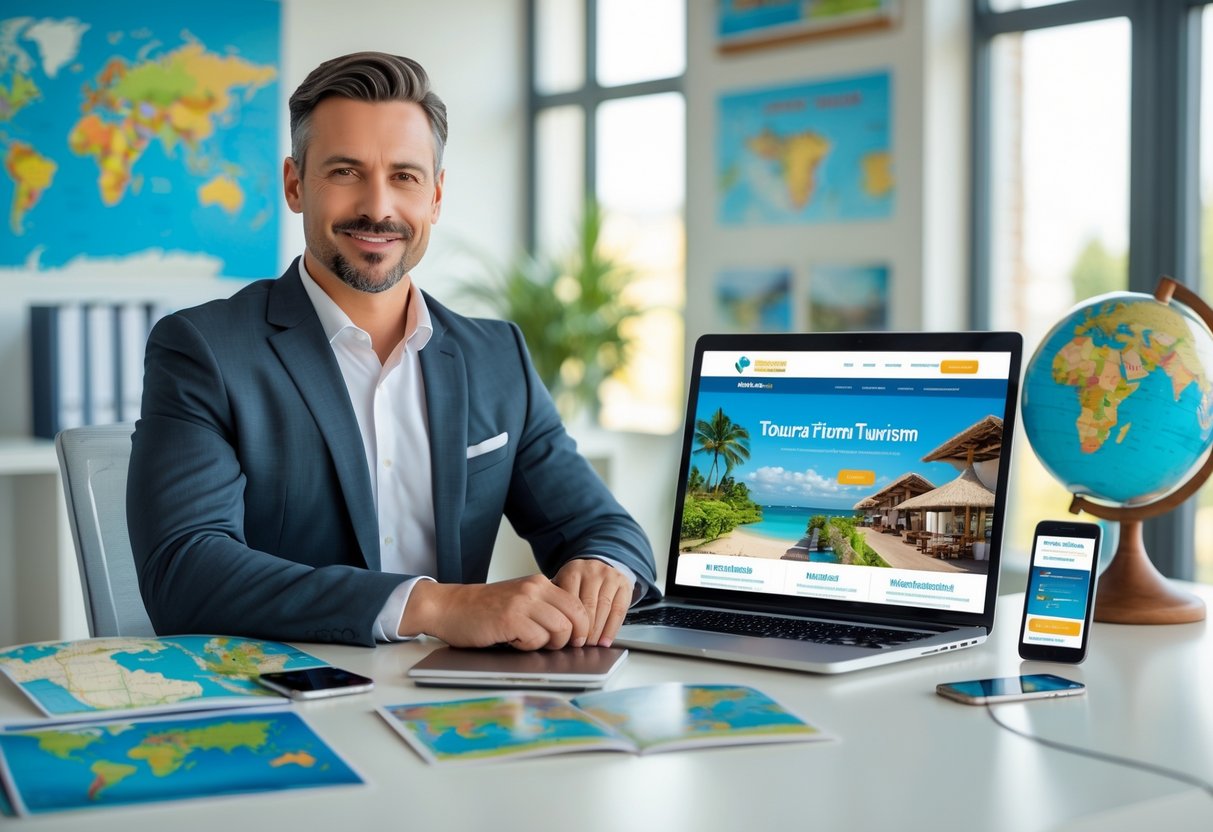
Your tourism business needs a digital home you actually control, not one that rides on social media algorithms or ever-shifting platform policies. A real website lets you show off detailed itineraries, build trust, and turn leads into bookings.
Building Long-Term Digital Assets
Your website gets more valuable the longer you own it. Social posts disappear into the feed, but website content builds authority with search engines over time.
Think about it: Every blog post about local attractions, every detailed tour description, every customer testimonial adds to your digital assets. A Cairns reef tour operator who posts weekly diving tips for two years will outrank a newbie every time.
Your website grows these assets automatically:
- Customer email addresses through newsletter signups
- Search engine rankings for tourism keywords
- Professional photography and video libraries
- Customer reviews and testimonials database
Tourism operators who started their websites five years ago now dominate local search. They didn’t just make websites, they built digital properties that work around the clock to pull in new customers.
Actionable takeaway: Start your site today and post one useful piece of content each week. You’ll be grateful later when competitors are scrambling to catch up.
Control Over Branding & Messaging
Social media forces your brand into their boxes. Your website lets you tell your story your way, no weird templates, no character limits.
You pick every colour, every image, every word. A Blue Mountains adventure company can lay out their safety protocols, equipment lists, and weather policies in detail, with no algorithm getting in the way.
Your website branding advantages:
- Custom design that reflects your unique tourism experience
- Professional domain like yourcompany.com.au instead of social media handles
- Unlimited content space for detailed tour information
- Direct customer contact without platform intermediaries
Tourism businesses need more than social media because customers want real information before booking expensive trips. Your website builds the trust that turns browsers into buyers.
Actionable takeaway: Check your online presence. Find three key messages that get lost on social media, and make them a priority for your website.
Improved Local SEO for Visitor Search
Tourism customers Google specific experiences in specific places. Your website can grab these high-intent searches, social profiles just can’t do the job.
A Rotorua geothermal tour operator with good local SEO brings in people searching “best geothermal tours Rotorua” or “Rotorua hot springs guided tours.” Social posts usually don’t show up for these searches.
Essential local SEO elements for tourism:
- Location-specific landing pages for each tour area
- Customer review integration showing local experiences
- Local business directory listings pointing to your website
- Mobile-optimised booking systems for on-the-go tourists
Tourist behaviour relies heavily on digital marketing and search, so your website’s visibility really matters. International visitors especially depend on Google before picking an operator.
Your competitors without proper websites? They’re handing those customers to businesses that show up in local search.
Actionable takeaway: Make dedicated landing pages for every location you serve. Optimise them with the keywords your ideal customers actually use.
The Value of Direct Customer Relationships

When you control customer relationships directly, you get three big advantages social media can’t match. You own the guest data, communicate better, and create personalised experiences that actually drive bookings.
Owning Customer Data Legally and Ethically
Your customer database turns into your most valuable business asset when you collect it through your own channels. Unlike social media followers, you actually own this data, legally and ethically.
Email addresses are gold. When guests book directly or sign up for your newsletter, you can reach out to them anytime. Social media algorithms? They’ll probably hide your posts from most of your followers anyway.
Hotels like Peppers Group gather guest preferences, anniversary dates, and travel patterns. With this info, they send targeted offers that convert way better than generic social posts, sometimes 25% higher.
You control the relationship timeline. Send a welcome email right after booking. Later, follow up for reviews or share seasonal promotions when it matters most.
Your database gets stronger with every guest interaction. Each booking adds insights about patterns, room types, and spending habits.
Takeaway: Start collecting email addresses now—use booking confirmations, Wi-Fi logins, and newsletter sign-ups. That’s how you build your own customer database.
More Effective Communication Channels
Direct channels deliver your messages without interference from algorithms or platform rules. Your emails land in inboxes, not news feeds controlled by Meta or Google.
Email open rates tell the real story. Tourism businesses see 20-25% email open rates, while social media reach barely cracks 2-5%. Your message actually gets seen.
Wotif’s parent company sends targeted emails based on browsing history. So, guests who looked at Byron Bay accommodation get Byron Bay deals, not random Cairns promos.
SMS works for urgent updates. Flight delays, room upgrades, last-minute availability, guests get these instantly. Social media posts about urgent stuff? They usually arrive too late.
Your communication becomes a two-way conversation. Guests reply to emails with questions, requests, and feedback. Social media comments? Those get lost or ignored.
Phone calls still matter for high-value bookings. Luxury lodges in Tasmania call guests personally to discuss bespoke experiences worth thousands.
Takeaway: Build multiple direct channels, email, SMS, phone. That way, you don’t have to depend on social media messaging.
Tailored Guest Experiences
Direct relationships let you personalize every interaction using real guest data, not just social media guesses. You know what they actually want, not just what they like online.
Room preferences become automatic. Returning guests find their favorite pillow type, preferred floor, and dietary needs already noted. That level of care builds loyalty.
Crown Hotels tracks guest gambling preferences, dining habits, and entertainment interests. Their marketing reflects these specifics instead of sending out generic hotel promos.
Seasonal timing improves dramatically. Send snow season offers to past winter guests. Target couples who honeymooned with you for anniversary returns.
Your loyalty programs work better with direct data. Points, upgrades, and exclusives reach the right people at the best times.
Birthday and anniversary marketing turns into real relationship building. Automated emails with special offers show up on meaningful dates, making an emotional impact.
Regional operators like Tourism Tasmania’s partners use direct relationships to suggest complementary experiences. Wine tour guests get distillery recommendations based on their actual tasting notes.
Takeaway: Use your direct customer data to run personalized marketing that reflects real guest preferences and visit history.
Harnessing the Power of Email Lists and Newsletters

Email lists give you direct access to your customers, no social media algorithm can get in the way. Building a strong newsletter creates a communication channel that no tech giant can just shut down.
Why Email Lists are Your Business’s Lifeline for Tourism Success
Your email list is really the only marketing asset you own. Social media followers? The platform owns those, not you.
If Facebook changes its algorithm tomorrow, maybe 2% of your followers see your posts. But your email newsletter? It lands in inboxes every time.
Look at Tourism Tasmania. They built a list of 50,000+ subscribers who get weekly updates. When COVID-19 hit and social media got unreliable, their newsletter kept bookings coming in.
Email newsletters are still powerful for direct engagement. You control the message, timing, and frequency, no pay-to-play required.
Key benefits for tourism businesses:
- Direct communication: No algorithm blocks your content
- Higher conversion rates: Email converts 40x better than social
- Cost effective: Sending 1,000 emails costs under $50 a month
- Measurable results: You can track opens, clicks, and bookings
Your list grows in value over time. Someone who books once often comes back, turning into a customer worth thousands over their lifetime.
Actionable takeaway: Start building your list now, even if you have only 10 subscribers. Every email address is a direct line to revenue, and platforms can’t take that away.
Best Practices for Encouraging Tourism Sign-Ups
Make signing up irresistible by offering real value right away. “Newsletter sign-ups” alone? People ignore those now.
Create lead magnets that solve real traveler problems. Think “Free 7-Day Cairns Itinerary” or “Hidden Gems Map of Byron Bay.”
Effective opt-in incentives for tourism:
- Exclusive discounts (10-15% off first booking)
- Free travel guides or itineraries
- Early access to tours
- Insider tips from locals
- Photo spots map downloads
Put sign-up forms everywhere, homepage, blog posts, booking confirmations. Catch people where they’re already engaged.
Blue Mountains Adventure Company grew sign-ups by 300% with exit-intent pop-ups offering a free bushwalking guide. Visitors leaving without booking got one last offer.
Keep forms simple. Just ask for an email at first. You can always get more details later through your newsletter.
Mobile optimisation matters. Over 60% of tourism website visits happen on phones. Make sure your forms work on small screens.
Use social proof to build trust. “Join 2,847 travellers getting our weekly insider tips” beats “Subscribe to our newsletter” any day.
Actionable takeaway: Make one valuable lead magnet this week and add a simple email form to your site’s most visited page.
Nurturing Tourism Leads Beyond Social Platforms
Your newsletter turns casual browsers into paying customers with consistent, helpful content. Email provides stable communication that social platforms can’t mess with.
Send emails regularly, but don’t overdo it. Weekly works for most tourism businesses. Monthly feels too distant, daily is just spammy.
Effective email content for tourism businesses:
- Seasonal travel tips: “Best spots for autumn photography”
- Customer stories: Recent traveller experiences, with photos
- Local events: Festivals, markets, special occasions
- Behind-the-scenes: Meet your guides, show prep work
- Exclusive offers: Discounts and early bookings for subscribers
Kangaroo Island Wilderness Tours sends bi-weekly emails with wildlife updates and seasonal highlights. Their list brings in 35% of all bookings.
Personalize based on what subscribers do. Someone who downloads your family travel guide wants different stuff than a solo adventurer.
Email automation sequences save time:
- Welcome email with your best content right away
- Follow up with testimonials after 3 days
- Share your most popular experience after 1 week
- Offer a special discount after 2 weeks
Track what works. Watch open rates, clicks, and actual bookings. Subject lines with specific locations usually outperform generic travel headlines.
Actionable takeaway: Set up a simple 4-email welcome series that introduces new subscribers to your best stuff and includes one special discount to encourage their first booking.
Don’t Build Your Business on Someone Else’s Digital Land

Social media platforms might look like the perfect home for your tourism business, but honestly, you’re just renting space that could disappear overnight. Depending on these platforms is risky, it can wipe out years of work in minutes.
The Pitfalls of Digital Sharecropping
If you build your whole online presence on social media, you end up as a digital sharecropper. You do the work, but someone else owns the land.
Facebook can shut down your business page any time. Instagram could suspend your account for vague reasons. TikTok might ban your content out of nowhere.
Your followers aren’t really yours. The platform owns them. If your account disappears, you can’t reach out or export their contact info.
Think about the Cairns tour operator who lost 50,000 Facebook followers after their page was wrongly flagged as spam. Three years of content and connections, gone in an instant.
You’re also competing against the platform itself. These companies want users to stay on their sites, not click through to your bookings.
The algorithm decides who sees your content. Even your own followers might miss your posts about new tours or special deals.
Long-Term Growth Limitations
Relying only on social media platforms limits your business growth. You’re playing by rules that change all the time, and you have zero say.
Platform algorithms favor paid content. Your reach drops unless you keep spending more on ads. That’s expensive, and most small tourism businesses can’t keep up.
You can’t fully customize your brand either. Your Blue Mountains accommodation looks just like every other page on the platform.
Most importantly, you can’t build real customer relationships. Social media interactions are fleeting. You need deeper connections for repeat bookings and referrals.
A Melbourne food tour company learned this the hard way. Their Instagram followers didn’t convert when they tried to launch a premium experience, the platform wasn’t designed for high-value bookings.
You’re also missing valuable customer data. Platforms don’t share detailed analytics about your audience’s booking habits or preferences.
What Happens When Platforms Change Direction?
Social media companies love to pivot, and that leaves businesses scrambling. Their priorities almost never match your tourism business needs.
Facebook’s algorithm changes have really hammered small businesses. Plenty of tourism operators watched their organic reach plummet by 90% overnight when Facebook started pushing personal content over business posts.
TikTok could get banned in different countries at any time. If you’ve put all your whale watching eggs in the TikTok basket, what’s your backup plan if it disappears?
Platforms constantly update their terms of service. What’s fine today might break the rules tomorrow. That Darwin sunset cruise video you posted? It could suddenly be a problem under some new policy.
Remember when Instagram hid likes? Businesses that used likes to measure success had to scramble for a new playbook.
New competitors pop up all the time. MySpace had its moment. Facebook lost ground to Instagram and TikTok. Who knows what’s coming next to turn your strategy upside down?
Actionable takeaways: Get your own website off the ground, even a simple one is better than nothing. Start collecting email addresses at every touchpoint; offer a discount on the next booking if someone joins your newsletter.
Security Threats Unique to Social Media Pages
Social media platforms open your tourism business up to specific cybersecurity risks that traditional websites just don’t face. These threats can trash your reputation overnight and leak customer data in ways that could shut you down for good.
Account Hacking Dangers for Tourism Operators
Criminal hackers target tourism businesses because you handle valuable customer data, credit cards, passport info, booking histories. If hackers get into your Facebook or Instagram business account, they do a lot more than just spam your followers.
They might access your customer databases through linked booking systems. Years of customer reviews can vanish in seconds if hackers wipe your page.
Real tourism businesses lose everything overnight. A boutique hotel operator in Queensland lost their Instagram account with 15,000 followers when hackers changed the login details. Facebook’s recovery process dragged on for three months, and bookings dropped 60% in the meantime.
Account hacking incidents often hit during peak seasons. Hackers know you’re desperate to get access back and might even pay up if they demand a ransom.
Your payment processors are at risk too if you link Stripe or PayPal to Facebook for bookings. That can turn ugly fast if your social media gets breached.
Takeaway: Turn on two-factor authentication for every social account. Keep your payment processing separate and secure—don’t link it directly to social platforms.
Ransomware and Phishing Attacks Through Social Channels
Tourism businesses get targeted with phishing messages via social media DMs that look like they’re from Booking.com or Expedia. These messages hide malicious links, and clicking them can install ransomware on your computers.
Phishing scams go after small tourism operators because you’re more likely to click a suspicious link when you’re busy. Scammers love to send fake urgent messages about booking cancellations or payment disputes.
Your whole booking system can get encrypted if ransomware sneaks in through social media. A tour operator in Tasmania lost access to six months of bookings after staff clicked a fake TripAdvisor message about a negative review.
Hackers can see private messages with booking confirmations, passport scans, and payment info if they get into your social accounts. Privacy violations get real, real fast.
Data breaches via social media put your customers at risk for identity theft. Your business becomes legally liable if you don’t protect customer info and it gets leaked.
Takeaway: Train your team to never click links in social media messages that claim to be from booking platforms. Always log in directly to check urgent requests.
Impersonation & Fake Profiles Targeting Your Business
Scammers make fake profiles of your tourism business on Facebook and Instagram to steal bookings from your real customers. They’ll copy your photos, business description, and contact info to look legit.
These fake profiles offer “discounted” tours or rooms so they can grab payments from unsuspecting travellers. A whale watching operator in Western Australia found a dozen fake Facebook pages using their name and images.
Your reputation takes a hit when fake profiles give terrible service or vanish with people’s money. Angry travellers leave bad reviews on your real accounts, not realising they booked with a scammer.
Impersonation attacks hit tourism businesses especially hard because trust is everything. One bad experience with a fake can wreck years of hard work.
Sometimes even competitors create fake profiles to redirect your customers. They’ll answer enquiries on your behalf with higher prices, hoping people pick the “competitor” instead.
Social media platforms move slowly when it comes to removing fake profiles. Verification can take weeks, and scammers keep stealing your bookings while you wait.
Takeaway: Keep an eye out for fake profiles using your business name and images—report them ASAP. Consider trademark registration to help get them taken down faster.
Privacy Concerns and Data Exploitation

When you make social media your main business hub, you’re basically handing over all your customer data and business insights to platforms that make money by harvesting and selling your info. Social media platforms collect enormous amounts of personal data from you and your customers, and they rarely explain how it’s used or who gets to buy it.
Personal Data Harvesting for Tourism Profit
Social media giants don’t just grab your basic profile info. They track every interaction, check-in, photo, and message you or your customers make.
Your customer data turns into their product. When guests tag your resort or post tour photos, platforms analyze travel patterns, spending habits, and preferences. They package this up and sell it to your competitors.
Picture this: A luxury resort in Queensland builds their whole presence on Instagram. The platform collects data on every guest interaction, including:
- Booking patterns and seasonal preferences
- Demographic details and income indicators
- Travel companion information
- Spending behaviour on experiences
Facebook and Instagram then sell this data to competing hotels and tour operators. Your marketing dollars are basically helping your competitors target your audience.
Tourism businesses face extra risk because travel data is gold. Airlines, hotels, and booking platforms pay top dollar for location data and travel intent signals harvested from your customer interactions.
Third-Party App Vulnerabilities in Travel Marketing
Tourism businesses often connect a pile of apps to their social media for scheduling, bookings, and customer management. Every connection opens up a new security hole.
Third-party travel apps ask for access to your social media data and customer lists. A Melbourne tour company found their customer database leaked after a social media scheduling app suffered a data breach.
Common vulnerabilities include:
- Booking widgets that store payment info
- Review management tools digging into private messages
- Analytics apps snooping on your competitors
- Photo management services keeping guest images
Lots of tourism operators give these apps broad permissions without realizing it. Some apps keep access even after you stop using them.
The tourism industry relies on more app integrations because you need tools for inventory, customer contact, and bookings. Each one increases your risk for privacy issues and data leaks.
Hidden Costs of Free Social Media Platforms
“Free” social media isn’t really free. They make money by selling your business data and customer relationships. Tourism businesses pay the price through lost competitive edge and less customer privacy.
Your customer relationships become a commodity. If you build your email list with Facebook lead generation, Facebook keeps access to those contacts. They can target your customers with competitor ads or sell the data to travel aggregators.
A Byron Bay accommodation provider built their whole booking system through Facebook. When they tried to export their customer data, they found out the platform kept licensing rights to contact info and booking patterns.
Tourism businesses get squeezed even more because travel intent data is so valuable. If someone searches “Cairns family holidays,” platforms sell that info to multiple operators.
| Hidden Cost | Tourism Impact |
|---|---|
| Customer data licensing | Competitors access your guest profiles |
| Algorithm manipulation | Reduced organic reach without paid promotion |
| Competitor intelligence | Your marketing strategies get reverse-engineered |
| Customer relationship interference | Platform ads compete for your guest attention |
Actionable Takeaways:
- Audit every third-party app connected to your social accounts and revoke any you don’t absolutely need.
- Build your email list directly through your website, not with social media tools, so you truly own your customer data.
Impact on Reputation Management and Crisis Response

If your tourism business hits a reputation crisis or needs to answer customer concerns fast, relying only on social media puts you in a tough spot. You lose control of the story during outages and can’t really address negative feedback or manage PR issues effectively.
Losing the Narrative During Platform Outages
When platforms go down, your tourism business goes silent at the worst possible time. Facebook, Instagram, and others can go offline for hours or even days.
During the 2021 Facebook outage that lasted six hours, thousands of Australian tourism operators couldn’t reply to booking enquiries or customer concerns. Tour operators missed crucial windows to talk to guests already on-site.
Crisis management needs constant monitoring and quick replies, but outages make that impossible. Your accommodation business can’t handle guest complaints about rooms. Your tour company can’t update customers about weather changes.
Key risks during outages:
- No way to handle urgent customer service issues
- Can’t share safety updates or itinerary changes
- Miss chances to address negative reviews quickly
- Competitors with their own websites keep communicating while you’re stuck
Businesses with their own websites and email lists keep operating even when social media is down. They send updates straight to customers and don’t lose touch.
Actionable takeaway: Start building an email list of past and future customers so you can reach out directly when platforms let you down and your reputation is on the line.
Dealing with Negative Reviews and Comments
Social media platforms really tie your hands when you try to address negative reviews or customer complaints. Your replies often get lost in long comment threads, and potential customers might never spot them.
Instagram and Facebook both restrict how much you can say in a single response. If you need to explain something complex, like a tricky tourism issue, you’re stuck trimming your answer down to a few lines that can feel dismissive or rushed.
The platform’s algorithm decides who actually sees your side of the story. You might write a thoughtful reply, but only a small slice of your audience ever sees it, while the original complaint gets all the attention.
Platform limitations include:
- Character limits on responses
- No way to resolve issues privately within the platform
- Basic formatting options, so much for looking professional
- Reviews vanish if users delete their accounts
Tourism businesses deal with some unique headaches here. Maybe a guest complains about bad weather—something you can’t control—but your response sits right next to businesses with real service problems.
Inappropriate social media strategies can create or fuel social media crises instead of solving them. Platform constraints often force you to rush your answers, which can make things worse.
Your own website gives you a chance to respond in detail, with a professional touch. You can even create dedicated pages for recurring concerns and share those links when you need to.
Actionable takeaway: Build a comprehensive FAQ section on your website that covers common tourism concerns. That way, you can send people to a real answer instead of being stuck with a handful of words on social media.
Difficulty Addressing Public Relations Issues
Social platforms offer zero protection if you’re facing coordinated attacks, online harassment, or hate speech directed at your tourism business. Moderation is hit or miss, and rarely enough to protect your reputation.
If you run an Aboriginal cultural tour, you might see racist comments linger for days before anyone removes them. Eco-tourism operators sometimes get targeted by organised groups who oppose their conservation work.
Proactive reputation management needs a real communication plan, but social platforms make it almost impossible to put one into action. You just can’t steer the conversation or move it to a space you control.
Platform PR limitations:
- No way to remove or moderate comments on your own posts
- Limited tools to address misinformation about your business
- No control over the mix of negative and positive content
- Can’t run a comprehensive crisis communication strategy
When a serious PR issue hits, you need to control your messaging environment. Your website lets you publish detailed statements, give context, and present your side with some real professionalism.
Tourism businesses handling safety incidents often need to explain insurance, investigations, or corrective actions. Social media comment threads just can’t handle that level of detail.
Actionable takeaways: Make your website the go-to source for serious communication, and connect with local tourism media who can help spread accurate info if your reputation comes under fire.
Algorithm Bias: Echo Chambers and Filter Bubbles

Social media algorithms don’t show your posts to everyone who follows you. They’re really designed to keep people in their comfort zones, seeing content that matches what they already like. That’s a big risk for your tourism business if you care about reaching a wide or diverse audience.
Content Curation Hiding Your Posts
Platforms use complicated algorithms to decide which of your posts actually reach your followers. You might have thousands of fans, but your brewery tour posts on Facebook could reach only 2-5% of them, if you’re lucky.
The algorithms push content that gets instant engagement. If your boutique accommodation post doesn’t get likes or comments fast, it just vanishes from most feeds.
Algorithmic bias shapes what users see by ranking some content types way above others. Your thoughtful posts about local history could get buried, while viral memes run wild.
Tourism businesses often notice their most valuable content, detailed itineraries, cultural tidbits, sustainable travel tips—gets less attention than quick, flashy posts. The platforms want people scrolling, not necessarily learning from your expertise.
How Algorithms Can Reduce Your Reach
Platform algorithms keep changing the rules. Your adventure tour company could suddenly lose 60% of its engagement overnight after an update, with no warning and no explanation.
Thanks to echo chambers and filter bubbles, your content often only reaches people who already share your interests. If you run an eco-lodge, you might only attract the same environmentally conscious crowd, never breaking out to new audiences.
Key reach limitations include:
- Organic reach shrinking every year
- Geographic limits that block international exposure
- Bias for video over text content
- Timing algorithms that bury posts shared at off-peak times
Your Tasmanian winery tours might never show up for wine fans in mainland Australia because the algorithm assumes only locals care. You end up talking to the same small group again and again.
Risk of Polarisation in Your Audience
Filter bubbles create isolated environments that can push your audience into more extreme views. Your cultural heritage tours might only attract visitors with particular political leanings, cutting out a broader customer base.
Algorithms love divisive content because it gets people to engage (or argue). You might post something innocent about local traditions, but it could spiral into a polarised debate you never asked for.
Tourism polarisation risks:
- Only attracting budget or luxury travellers, never the middle market
- Posts mostly shared within one demographic group
- Losing out on diverse perspectives that make tourism richer
- Your brand gets linked to controversial topics, thanks to algorithmic placement
Your Indigenous cultural tours should reach all kinds of people, but algorithms might only show them to folks already interested in social justice.
Actionable takeaways: Build your own website and email list to reach your full audience. Keep an eye on your social analytics, if your organic reach tanks, it’s time to rethink your content strategy.
Social Comparison and the Highlight Reel Illusion
Social media’s endless highlight reels set up impossible expectations that can hurt your tourism business’s credibility and relationships. If you understand how social comparison affects mental health, you’ll probably want to focus on more genuine content that actually connects with travellers.
Impact on Customer Expectations
Your customers see Instagram-perfect posts from competitors, always perfect sunsets, flawless experiences. How can you compete with that?
Travellers show up expecting the filtered version of your destination. A boutique hotel in Byron Bay might only post its most photogenic rooms, leaving guests disappointed with the standard ones.
Common expectation gaps include:
- Real weather vs. endless blue skies in photos
- Actual crowds vs. empty scenic shots
- Everyday food vs. food styled for photoshoots
- Room views vs. carefully chosen camera angles
Tour operators really struggle when customers expect every moment to match the social media version. Your whale watching tour can’t promise the same dramatic photos your competitor posts from their best day all year.
When reality doesn’t match the highlight reel, negative reviews often follow. Customers feel let down or even tricked by what they saw online.
How Highlight Reels Can Distort Reality
The highlight reel effect only shows the shiny bits, hiding the daily grind. Your tourism business feels constant pressure to keep up the illusion of perfection.
A Melbourne laneway restaurant might post gorgeous food photos every day, but it never shows the chaos of a busy kitchen. Adventure tour companies share epic action shots, not the weather cancellations or equipment hiccups.
Reality distortions commonly include:
- Weather: Only posting on the best days
- Crowds: Snapping photos when it’s quiet
- Service: Highlighting peak moments, not the rough ones
- Facilities: Using only the most flattering lighting and angles
This cherry-picking leads to unrealistic comparisons with bigger brands that have pro photographers and bigger budgets. If you’re a family-run B&B, how can you compete with a luxury resort’s marketing machine?
Chasing social media perfection eats up your time, time you could spend upgrading your actual customer experience. You end up staging photos instead of training staff or fixing what really matters.
Managing Authenticity in Your Content
Mixing polished posts with real, behind-the-scenes moments helps protect your business from those impossible expectations. It also builds trust. Show some personality, let your tourism brand be human.
A Gold Coast surf school might post beginner wipeouts alongside their success stories. That honesty actually draws in customers who value authenticity over perfection.
Authentic content strategies:
- Share what goes on behind the scenes
- Post updates about the weather and changing seasons
- Introduce your staff and highlight their local tips
- Showcase a mix of customer experiences and skill levels
Feature real customer stories that include both the challenges and the wins. A hiking guide might share how they helped nervous beginners push through their fears, not just the summit selfies.
Document how you solve problems when things go sideways. Travellers respect businesses that handle mishaps with professionalism, not those pretending everything’s always perfect.
Actionable takeaways: Set expectations by showing seasonal changes in your posts, and share honest testimonials that mention both the good and the not-so-good. People trust transparency way more than another highlight reel.
Mental Health Risks for Business Owners

Relying on social media to build your tourism business comes with some serious mental health challenges. The unpredictable algorithms, pressure to always be online, and the endless need for engagement can all pile up and lead to stress, burnout, and worse for business owners.
Anxiety from Algorithm Changes
When platforms change their algorithms, your tourism business can take a hit overnight. One day your boutique accommodation is reaching thousands; the next, your posts barely show up for anyone.
This kind of unpredictability creates real anxiety for business owners. You’re always on edge, waiting for the next update to wipe out months of progress. Your bookings depend entirely on Facebook or Instagram’s secret sauce.
Remember the 2018 Facebook algorithm change? It favoured personal posts over business content, and suddenly, many tour operators saw their organic reach drop by 80%. Stress levels went through the roof as bookings dried up.
When you realise you have no control over your main marketing channel, it’s tough not to feel depressed. The platform holds all the cards, and you’re left guessing the rules as they keep shifting.
The Pressure to Perform Online
Social media wants you to keep creating content just to stay visible. Your day might start with scrolling through overnight comments and end with brainstorming tomorrow’s posts.
This cycle is relentless and honestly, it piles on the mental health strain.
Tourism businesses feel even more pressure because every post has to look flawless. Your restaurant? It needs mouthwatering food photos nearly every day.
Running an adventure tour company? You’ve got to keep those action shots coming. Skip a day and you risk losing momentum, or at least it sure feels that way.
The comparison trap just adds fuel to the fire. You spot competitors posting epic content and start doubting your own efforts.
It’s easy to get tangled in self-doubt and anxiety about your business’s online image.
Restaurant owners sometimes admit they feel overwhelmed by the pressure to snap perfect photos of every dish. They end up spending more time staging Instagram shots than actually serving customers or focusing on the food itself.
Burnout from Constant Engagement
Juggling messages, comments, and reviews across several platforms gets exhausting fast. Customers expect instant replies, sometimes at all hours, which totally blurs the line between work and personal life.
Tourism businesses really feel the crunch during peak seasons. While you’re busy with guests in person, you’re also expected to keep your socials buzzing.
The workload can get out of hand, and before you know it, you’re staring down burnout.
Plenty of bed and breakfast owners admit they check their phones obsessively, even during family time. They feel guilty if they don’t reply right away to booking enquiries on social media.
The stress only gets worse when negative reviews pop up in public. You’re forced to craft careful responses while also dealing with the sting of criticism.
Actionable takeaways: Build your own website with email capture so you’re not totally dependent on social platforms. Set strict social media hours, protect your own time and mental wellbeing.
The Wellbeing of Your Team and Community Online

If your tourism business mostly operates on social media, your team faces constant exposure to public criticism and, sometimes, online harassment. Digital burnout creeps in when staff spend hours managing negative comments without any real support.
Staff Exposure to Cyberbullying Protect Your Tourism Team
Your front-line social media staff often become targets when upset customers vent online. Tourism faces unique challenges during peak seasons, cancelled bookings, or just bad weather.
Unlike your own website, where you control comments, social media platforms leave your team wide open to public attacks. One unhappy guest can tag your business, post negative reviews everywhere, and rally others to pile on criticism.
Your staff may experience:
- Direct personal attacks in comments
- Private messages containing threats
- Harassment that follows them to personal profiles
- Public shaming when handling customer complaints
Sarah, a travel agency owner in Byron Bay, said her social media manager quit after getting death threats over a cancelled tour post. The platform’s reporting system took three days to even respond, which left her employee hanging out to dry.
You just can’t shield your team from cyberbullying and abuse if you’re only using external platforms. Your own website gives you more control over comments and interactions, plain and simple.
Moderating Community Feedback Without Losing Control
Social media algorithms seem to love negative content, it drives more engagement, after all. Your tourism business can become a target when a single complaint from a disappointed customer spreads to thousands within hours.
Platform moderation tools? They’re limited and honestly, kind of inconsistent. You can’t delete reviews on many sites, hide critical comments easily, or control how your business appears in shares.
Common moderation challenges include:
- Unable to remove false accusations quickly
- Comments popping up in several platform areas
- Shared posts spreading misinformation about your services
- Reviews staying visible even when proven wrong
One Cairns tour operator dealt with a viral complaint about “dangerous practices” that actually happened at a competitor’s place. The video racked up 50,000 views before moderators even looked at their appeal.
Online safety needs proactive steps that social platforms just don’t offer. With your own website, you get instant control and can handle responses like a pro.
Signs of Digital Fatigue in Tourism Teams
Staff who spend most of their time on social media start to show real signs of digital exhaustion. Tourism businesses especially feel these spikes during busy seasons.
Watch for these indicators:
- Delayed responses to customer enquiries
- Defensive replies to feedback
- Avoiding social media management altogether
- Physical symptoms, headaches, sleep problems, the works
- Emotional reactions to pretty normal customer complaints
Research has shown that online engagement impacts social and emotional health for people running business accounts every day. Your team needs breaks from that constant public spotlight.
Digital fatigue messes with decision-making and can tank customer service standards. When staff burn out on social media, mistakes happen and your reputation takes a hit.
Immediate actions to take: Set clear social media policies that protect your team’s wellbeing. Schedule regular breaks from platform management. Build your own website so you control your customer interaction space and can moderate discussions your way.
Addiction and Problematic Social Media Use

If you’re always checking notifications and posting updates, you might be showing signs of problematic social media use that’s hurting your business performance. Too much social media drains productivity and creates unhealthy dependencies on those little dopamine hits from likes and shares.
Recognising Signs of Compulsive Posting for Tourism Businesses
Your tourism business could be stuck in a loop of compulsive social media behaviour if you notice these symptoms:
Physical symptoms:
- Checking platforms every few minutes
- Feeling anxious when you can’t post
- Losing sleep over engagement stats
Business impact indicators:
- Neglecting face-to-face customer service
- Spending more time on posts than with guests
- Basing business decisions only on social media metrics
Take the Queensland B&B owner who spent four hours a day managing Instagram stories. She missed booking enquiries because she was glued to her phone, worrying about her online presence.
Social media addiction shows up as constant cravings to check notifications and real anxiety when you can’t access your accounts.
Impact on Productivity in Your Tourism Operations
Too much screen time really hits your ability to run a tight ship. Research links problematic social media habits with mood swings and psychological stress.
Daily operational disruptions:
- Staff glued to their phones during guest interactions
- Slow replies to genuine customer enquiries
- Lower quality in-person experiences
A Sydney tour operator realised his guides spent 30% of their tour time snapping photos for social posts. Guest satisfaction scores took a nosedive.
Revenue consequences:
- Missed booking opportunities
- Fewer repeat customers
- Poor reviews about distracted staff
The chase for validation through likes and shares distracts from what really matters, creating memorable experiences for your guests.
Encouraging Healthier Online Habits That Protect Your Business
If you want to protect your mental health and keep your business steady, you need to build better social media habits:
Set clear boundaries:
- Pick specific times for social media activity
- Batch content creation with scheduling tools
- Mute non-essential notifications during business hours
Focus on quality over quantity:
- Post fewer, but better, updates
- Stick to platforms your customers actually use
- Measure success by bookings, not just likes
A Tasmanian eco-lodge cut their posting from daily to three times a week. Staff focused on real customer service and saw direct bookings jump by 40%.
Create backup systems:
- Build your own website and email list
- Don’t rely only on social media to reach customers
- Grow relationships that exist beyond the platforms
Actionable takeaways: Schedule set times for social media and train your team to put real-world guest interactions first, not just constant posting.
The Dangers for Young People in Your Tourism Business

Tourism businesses run into special challenges with young people, everything from strict age checks to protecting teenage staff from online harassment. You have to balance legal compliance with making digital spaces safe for young employees and customers.
Navigating Age Restrictions and Compliance
Most social media platforms set the bar at 13 or older, which creates instant compliance headaches for tourism businesses. Instagram, Facebook, and TikTok can shut down accounts if you break age rules, no warning, just gone.
Key age restrictions you need to know:
- Instagram: 13+ years minimum
- Facebook: 13+ years minimum
- TikTok: 13+ years minimum
- YouTube: 13+ years minimum
If you’re promoting family tours or school holiday programs, you’re walking a fine line. One parent complaint about underage content can get your account suspended in a snap.
Adventure tourism operators, like those Queensland White Water Rafting companies, have lost accounts after posting photos of school groups without proper age verification. Platforms don’t care if it’s educational, they see a privacy violation.
Your business needs clear policies for photographing minors and getting parental consent. Document everything and keep consent forms separate from your social media files.
Actionable takeaway: Build a dedicated youth programs section on your website with proper consent systems, instead of relying only on social media for promotion.
Safeguarding Young Staff Online
Young employees run into real risks when they represent your tourism business online. Research shows teenagers encounter negative online experiences like cyberbullying and inappropriate contact from strangers.
Your 16-year-old tour guide sharing Instagram stories about today’s whale watching trip might get unwanted attention from customers. Female staff, in particular, often get hit with inappropriate messages and comments.
Hostels usually hire young backpackers who love posting about their workplace. If you don’t set clear guidelines, those posts can open up both the employee and your business to trouble.
Essential staff protection measures:
- Separate accounts: Make staff use business accounts, not personal profiles
- Content approval: Check posts before they go live
- Privacy settings: Lock down personal info on all business-related accounts
- Reporting procedures: Lay out clear steps for dealing with online harassment
Tour companies in Cairns have started using buddy systems so young staff never run social accounts alone. This keeps individuals safer but still lets them create authentic content.
Actionable takeaway: Draft a thorough social media policy for young employees that covers protection protocols and spells out consequences for violations.
Supporting Digital Wellbeing for Teens
Your tourism business really ought to protect teenage customers and staff from the mental health fallout of social media pressure. Social media can cause anxiety, depression, and body image issues in young people.
Adventure photography sessions at Instagram-famous spots push teens to nail the perfect shot. Blue Mountains tourism operators have seen more risky behaviour as young visitors try dangerous poses just for social media.
Using social media for holiday inspiration can be risky and dangerous, especially when teens see only those carefully curated highlight reels. The reality of tough outdoor activities rarely makes it into those posts.
Supporting healthy digital habits:
- Reality checks: Share behind-the-scenes content showing prep and safety steps
- Safety briefings: Work social media awareness into your standard safety talks
- Encourage breaks: Try phone-free zones during activities
- Promote balance: Post about enjoying experiences without always documenting them
Surf schools on the Gold Coast now talk about digital wellbeing in their programs. They help young surfers see that improvement takes time and doesn’t need endless documentation.
Some operators have added “digital detox” elements to their youth programs. They encourage participants to just experience things, without the pressure to create content.
Actionable takeaway: Weave digital wellbeing education into your youth-focused services and show real, unfiltered experiences in your marketing—alongside the highlight moments, of course.
How Social Media Platforms Fuel Misinformation and Disinformation
Social media algorithms push false content way faster than the truth, and that spells big risks for tourism businesses. AI-generated videos, manipulated images, and edited posts are significantly amplifying the spread of misinformation, making it tough for travellers to tell what’s real and what’s not.
Tourism Business Risks from Viral Misinformation
Fake information about your destination or business can blow up across social platforms in no time. One bogus video about supposed unsafe conditions at your resort or tour can reach thousands of potential customers in just a few hours.
Common misinformation threats include:
- Made-up safety incidents at your location
- Doctored images showing bad conditions
- False claims about pricing or service quality
- Fake health warnings about your destination
The global nature of social media platforms enables misinformation to have worldwide reach. A single false post can suddenly wreck booking enquiries from several international markets at once.
Correcting the record rarely gets the same viral lift as the original fake content. By the time you jump in, the damage might already be done—hundreds of potential bookings influenced.
Monitor mentions across all platforms daily and jump on false claims as fast as you can.
Combating Fake Reviews and Trolls
Fake reviews are a nasty form of disinformation meant to wreck your reputation or pump up competitors. Coordinated attacks often use multiple fake accounts posting similar negative stuff in a short window.
Social bots contribute significantly to the spread of fabricated content on tourism review platforms. These bots can spit out dozens of fake reviews before anyone catches on.
Warning signs of fake review campaigns:
- Lots of similar reviews posted the same day
- Accounts with no profile photos or any review history
- Generic language that skips over details about your business
- Reviews that don’t line up with verified customer experiences
Review platforms can’t always keep up with fake content. Your star rating and search rankings might take a hit long after the fake reviews finally get deleted.
Keep track of suspicious review patterns and report coordinated attacks to platform admins right away.
How Propaganda Can Harm Your Reputation
Disinformation campaigns often use conspiracy narratives and good versus evil framing to target whole tourism regions or sectors. Your business might get caught in the crossfire of bigger propaganda efforts.
Political or ideological groups sometimes spread fake information about tourism destinations to push their own agendas. This could mean exaggerated safety scares, made-up environmental damage, or false cultural stereotypes.
Propaganda tactics affecting tourism:
- Coordinated campaigns across several platforms
- Emotional messaging crafted to trigger strong reactions
- Mixing a grain of truth with much bigger lies
- Using real-looking but manipulated images or videos
These campaigns often drag on for months, with negative content about your destination popping up again and again. The organised nature makes it tough for a single business to fight back effectively.
Join industry associations and destination marketing groups so you can coordinate responses to big disinformation campaigns.
Cyberbullying and Online Harassment: How It Hits Hospitality Hard
The hospitality industry is especially vulnerable to online attacks that can wreck your reputation overnight. Research shows the hospitality sector is particularly rife with harassment issues, making your business pages easy targets for trolls and malicious behaviour.
Types of Harassment on Business Pages
Review bombing is one of the most brutal forms of cyberbullying your hospitality business can get hit with. Groups coordinate to flood your Google, TripAdvisor, or Facebook pages with fake negative reviews, often sparked by political drama or viral posts.
Social media platforms turn into weapons when angry customers or competitors start harassment campaigns. They’ll post defamatory stuff about your staff, share edited photos of your venue, or create fake accounts to spread lies about your food safety or service quality.
Targeted staff harassment happens when employees get attacked through workplace social media channels. Customers screenshot staff profiles and launch personal attacks. This tends to hit younger hospitality workers who are active online the hardest.
Your business might become a target during controversial events or after taking a public stance. One Melbourne café endured weeks of harassment after posting about COVID-19 vaccination rules, with attackers spreading staff personal info across platforms.
Mitigating the Risks for Your Team
Draft social media policies that protect your team and set clear boundaries online. Train staff to keep their personal profiles private and avoid linking their workplace to those accounts.
Set up monitoring systems to track mentions of your business, staff, and location across all major platforms. Google Alerts and social media monitoring tools help you spot harassment campaigns early.
Make sure you have clear reporting steps for when harassment happens. Your team should know who to contact and what evidence to save. Under Australian workplace health and safety laws, you must protect workers from online abuse.
Document everything as soon as harassment starts. Screenshot threatening messages, write down usernames, and save links before content disappears. This evidence is key if you need legal help or need to report to a platform.
Think about having a designated staff member handle social media during crisis periods. That way, fewer team members get targeted and you maintain consistent, professional responses.
Responding to Doxing and Stalking
Doxing is probably the worst threat your hospitality business and staff can face online. It means someone publishes private info—like home addresses, phone numbers, or family details—about your employees.
If doxing happens, act fast. Call local police first, especially if threats mention physical harm or your venue’s address. Save all evidence before you report it to platforms for removal.
Help affected staff lock down their personal info. Change passwords, tighten privacy settings, and maybe even take a social media break if things get out of hand.
For really bad cases, bring in professional reputation management services. These folks know platform reporting systems inside out and can help get harmful content taken down faster.
Have a crisis communication plan ready, with legal contacts who specialise in cyberbullying. Sometimes, you need cease and desist letters or even court orders to protect your business and your team.
Actionable takeaways: Set up monitoring systems now and train your team on privacy settings. Document harassment incidents and keep contacts with legal professionals who get online threats.
Managing Hate Speech and Offensive Content
Social media platforms use automated systems to catch hate speech, but sometimes those systems flag innocent tourism content. Meanwhile, real offensive comments can trash your business reputation and even get you in legal trouble under Australian law.
Dealing with Toxic Comments
Your tourism business faces unique headaches when hate speech spreads faster online via social media. Cultural misunderstandings, political flare-ups, or attacks from competitors can quickly turn into nasty comment threads.
Common triggers for tourism businesses:
- Cultural or religious content in your posts
- Political events affecting your destination
- Pricing complaints during peak times
- Environmental or sustainability topics
If toxic comments show up, don’t jump in right away. Responding to hateful comments can make things worse, according to Australia’s eSafety Commissioner.
Instead, document everything first. Screenshot those comments before they vanish or get deleted.
Your response strategy should include:
- Block and report users who are clearly abusive
- Respond professionally to real complaints buried in harsh words
- Move conversations offline if possible to fix issues privately
A Cairns tour operator recently faced backlash over Indigenous cultural content. Instead of getting into public arguments, they moved genuine concerns to private messages and ended up turning critics into customers through respectful chats.
Actionable takeaway: Build a social media crisis response plan that includes staff training on spotting hate speech versus real complaints, and set up clear escalation steps.
Impact of Hate Speech on Business Reputation
Online hate can limit your ability to connect with people and participate online. This hits your tourism business’s growth potential right where it hurts.
Social media algorithms love drama. They’ll blow up negative content, making even small incidents look way bigger than they are.
Your business reputation takes a hit when hate speech pops up on your profiles. Potential customers scroll through comments before booking, and toxic exchanges plant seeds of doubt about your professionalism.
Revenue impact areas:
- Reduced booking inquiries from concerned travellers
- Negative reviews mentioning “toxic community”
- Decreased engagement on future posts
- Lost partnership opportunities with other businesses
A Gold Coast accommodation provider lost three corporate retreat bookings after a heated exchange about COVID policies sat on their Facebook page for weeks. Yikes.
Platform algorithms hate negative engagement. When posts spark arguments, your organic reach tanks, no matter who started the mess.
Protection strategies:
- Monitor mentions across all platforms using free tools like Google Alerts
- Respond quickly to prevent conversations from spiralling
- Highlight positive reviews to balance negative visibility
- Create community guidelines pinned to your profiles
Actionable takeaway: Set up daily social media monitoring. Try to respond to negative comments within two hours—don’t let them spiral into reputation nightmares.
Legal Considerations in Australia
Australian businesses have to deal with specific legal obligations when it comes to online content moderation. Regulating online hate speech to avoid harm is essential responsibility, and it definitely includes managing your business pages.
The Online Safety Act 2021 says you’re not directly liable for user comments on your posts. But once you know there’s harmful content, you’ve got responsibilities.
Your legal obligations include:
- Reasonable moderation of comments when practically possible
- Prompt removal of clearly illegal content once identified
- Cooperation with eSafety Commissioner investigations
- Documentation of moderation efforts for potential legal proceedings
The Australian Competition and Consumer Commission looks at online harassment as potentially misleading conduct if it messes with fair trading.
High-risk content categories for tourism:
- Racial or religious vilification targeting cultural groups
- Threats against specific individuals or communities
- Discriminatory language about protected characteristics
- False claims designed to damage competitors
A Melbourne restaurant ended up facing legal action after they ignored discriminatory comments targeting Asian customers, even after multiple complaints. Not a great look.
Protection measures:
- Enable comment moderation on all business profiles
- Train staff to recognise potentially illegal content
- Document removal actions with timestamps and screenshots
- Consult legal advice for complex situations involving threats
Actionable takeaway: Review your current social media policies. Make sure you’ve got clear steps for spotting and documenting the removal of potentially illegal content, and train your staff on Australian online safety laws.
Lost Insights: Limited Analytics Compared to Your Own Website
Social media platforms toss you a few numbers, likes, shares, whatever. But they keep the juiciest customer data for themselves.
If you use your own website, you’re in the driver’s seat. You get detailed visitor behaviour, conversion tracking, and all the deep insights that actually help your tourism business grow.
What Data Social Platforms Don’t Give You
Facebook and Instagram show you surface-level stats, but they hide the real customer intelligence. You can’t see which pages visitors browse before booking your wine tour or accommodation.
Social platforms won’t reveal how long someone spent checking out your destination content, or what finally convinced them to pick you over the next guy. That missing data leaves gaping holes in your understanding of the customer journey.
Critical data you lose on social media:
- Visitor flow patterns – How guests navigate through your booking process
- Geographic heat maps – Exactly where your international visitors originate
- Device preferences – Whether mobile users convert differently than desktop
- Time-based behaviour – Peak booking hours and seasonal patterns
- Content performance depth – Which blog posts generate actual enquiries
A Cairns tour operator checked their website analytics and found that 60% of bookings happened between 9–11pm on Sundays. Social media never gave them that clue, so their posts had been going out at all the wrong times.
How to Build Actionable Analytics for Growth
Your website analytics can become your business’s intelligence centre, if you set them up right. Install Google Analytics and track goals like brochure downloads, booking form completions, and phone number clicks.
Website analytics provide comprehensive visitor insights that social platforms just can’t touch. Set up conversion funnels so you know exactly where guests drop off in your booking process.
Essential tracking setup for tourism businesses:
- Email newsletter signups from travel content
- PDF guide downloads (destination guides, pricing sheets)
- Contact form submissions for custom itineraries
- Phone calls from mobile users
- Booking widget interactions
Create custom segments for each visitor type. Separate international tourists from domestic travellers, returning guests from newbies, and organic search traffic from social media referrals.
A Blue Mountains B&B owner noticed that people who read their “Best Autumn Photography Spots” blog post booked 40% more often. They leaned into seasonal content and doubled their direct bookings in six months. Not bad.
Balancing Vanity Metrics with Real KPIs
Instagram likes? Nice ego boost, but they don’t pay your bills. Tourism businesses need metrics that actually lead to revenue—booking enquiries, email signups, and reservations matter way more than follower counts.
Zero in on metrics that predict cash flow. Website session duration, pages per visit, and return visitor rates show real interest in your tourism offerings. These folks are the ones who usually turn into paying guests.
Vanity metrics vs. revenue drivers:
| Vanity Metric | Revenue Driver |
|---|---|
| Instagram followers | Email subscribers |
| Post likes | Website enquiry forms |
| Share counts | Booking conversion rate |
| Video views | Phone call tracking |
Social media analytics show engagement levels, but your website tells you who’s actually ready to buy. Track how social media visitors behave once they hit your site.
A Tasmanian food tour company realised their Facebook followers rarely booked directly. But the ones who clicked through to the website? They spent three times longer browsing and converted 25% higher than any other traffic source. That’s what matters.
Actionable takeaways: Install Google Analytics with goal tracking for enquiries and bookings. Create monthly reports comparing social media engagement to actual website conversions and revenue. Don’t just guess, measure it.
Navigating Sudden Social Platform Bans and Changes
Social media platforms can shut down your tourism business’s account out of nowhere. One minute you’re chatting with guests, next minute you’re locked out, scrambling to reconnect.
Policy changes drop overnight. Automated systems make mistakes, and you could be locked out for weeks.
Preparing for Automatic Suspensions
Your bed and breakfast could lose its Facebook page tomorrow because of a false spam flag. Tourism businesses get hit with suspensions more than most, thanks to frequent posts, customer chats, and all that promo content.
Common triggers include:
- Multiple daily posts during peak season
- Sharing similar content across different groups
- High volume of customer reviews and responses
- Promotional language in posts about deals or packages
Set up multiple admin accounts for every platform. Make sure your staff know the content rules before they post anything.
Keep screenshots of your follower counts, engagement, and key posts, just in case you need evidence for an appeal. Don’t wait until you’re locked out to think about backups.
Export your customer email addresses monthly from Facebook and Instagram business tools. Download your content regularly—photos, videos, reviews, all of it.
Action steps for your tourism business:
- Make three team members platform admins
- Set monthly reminders to back up all social content and customer data
The Impact of Policy Shifts on Your Business
Remember when Instagram changed its algorithm in 2021? Tourism operators lost 60% of their organic reach overnight. Your carefully built audience can vanish when platforms suddenly prioritise paid posts.
Australia’s upcoming social media age restrictions will change how you reach younger travellers and families. Platforms switch up ad rules, content policies, and user demographics all the time, without warning.
Platform dependency is risky. A Queensland tour operator lost 15,000 followers when their Instagram account got flagged as fake. No email list, no backup, they had to start from scratch.
Track these warning signs:
- Sudden drops in post engagement
- Reduced website traffic from social platforms
- Changes in your target audience demographics
- New restrictions on tourism-related content
Document your social media performance every month. Watch for patterns when your reach or engagement slips. This data helps you spot policy changes before they wreck your bookings.
Key protective measures:
- Check your social media analytics weekly for weird drops in performance
- Diversify your marketing channels, try to cut platform dependency by at least half
Staying Up-to-Date on Platform Rules
Tourism content breaks new rules all the time, usually by accident. Instagram’s recent crackdown on location tagging caught a bunch of operators off guard. TikTok updates its travel content guidelines more often than you’d think.
Subscribe to official platform newsletters and follow business blogs. Join tourism industry Facebook groups, people there share policy updates and stories about suspensions. Set Google alerts for your main platforms plus “policy changes” or “algorithm updates.”
Essential monitoring routine:
- Check platform announcement pages weekly
- Review advertising policy updates monthly
- Test new content formats on small audiences first
- Document what content actually works under current rules
Your local tourism board probably shares platform updates that matter for your area. Lots of associations send weekly newsletters with changes that hit hospitality and travel businesses.
Train your team to spot policy violations before posting. Build approval checklists based on the latest guidelines. Review your posting strategy every few months as the rules keep shifting.
Stay informed through:
- Set up Google alerts for “[platform name] policy changes tourism”
- Join three active social media marketing groups focused on hospitality businesses
How Platform Downtime Can Disrupt Your Bookings
When social media platforms go down without warning, your tourism business loses direct access to travellers ready to book. Platform downtime can seriously impact businesses, it creates an instant wall between you and your customers.
Missed Enquiries During Outages
Your Instagram or Facebook page might be your main booking channel. But what happens when millions of users can’t get through?
Think about a boutique accommodation provider in Byron Bay who relies on Instagram DMs for bookings. When Instagram crashed globally for six hours in 2021, they missed dozens of enquiries from travellers planning weekend getaways. Those people didn’t wait, they booked with competitors who had working websites.
Peak booking times are especially risky. Friday afternoons, January school holiday rush, if you’re down then, you’re handing your customers to someone else. Downtime doesn’t just hit your bottom line, it sends your customers straight to competitors.
Social media algorithms also punish inactivity. When your page looks “dead” during an outage, engagement drops, and your visibility takes a hit for weeks after things go back to normal.
Communicating Alternatives to Customers
When your platform goes down, your customers suddenly have no way to reach you. A tour operator in Cairns ran into this the morning of their reef tours, Facebook Messenger just died. People couldn’t confirm pickup times or ask about the weather. Not ideal.
Having multiple ways to communicate is non-negotiable. Email lists let you reach out directly if social media tanks. SMS booking confirmations give you another backup. Website contact forms? Those keep working no matter what happens to your socials.
Effective communication strategies during downtimes can include automated email responses with your phone number and alternative booking options. Set up auto-responders that give your direct phone, website booking link, and an emergency contact. It’s a simple safety net.
Think about day-of-travel updates. Coach tour companies often rely on Facebook groups to share last-minute changes. If the platform’s down, passengers miss out on important info about delays or route changes. That’s a headache no one wants.
Managing Bookings without Social Media
Your booking system really can’t depend on social media. A wine tour business in Hunter Valley learned this the hard way when their Facebook booking app crashed for three days. With no backup, they lost out on a weekend’s worth of bookings.
Independent booking systems keep your revenue safe. Online booking platforms built into your website keep working even if social media goes dark. Plus, you get better control over customer data and pay fewer commission fees.
Look at appointment scheduling tools that stand on their own:
- Website bookings with calendar integration
- Phone booking systems, just make sure your staff knows the process
- Email booking confirmations that send automatically
- SMS reminders for upcoming tours
A glamping site in Tasmania ditched Instagram-only bookings after missing out on $15,000 during an outage. Once they switched to their own website, revenue jumped 40% in six months. Controlling the customer journey made all the difference.
Actionable takeaways: Set up at least two booking channels besides social media. Make sure your staff knows how to process bookings manually if your digital systems ever fail.
The Illusion of Community: Risks When Groups Shut Down
Social media groups might feel like your community, but they’re not really yours. When group admins run the show, your business relationships are built on shaky ground.
Admin Power Over Groups You Don’t Own
Facebook group admins can kick your tourism business out without warning. Years of relationship-building can disappear in an instant if someone else decides you’re out.
Tour operators have lost access to groups with thousands of engaged members after butting heads with admins. One Melbourne food tour company spent three years building up a local group, then got banned for being “too promotional.” All that work, gone.
Admin decisions you can’t control:
- Removing your posts at will
- Banning your business account for good
- Changing rules so your content’s no longer allowed
- Deleting the group and all its members
You’re always one admin’s mood away from losing your community. Even if you play by every rule, personal drama or sudden policy changes can cut you off from customers who know and trust your brand.
Losing Valuable Discussion Archives
When groups disappear, you lose years of customer conversations and industry insights. Those detailed discussions, reviews, and relationships just vanish, no backup, no warning.
A Brisbane whale watching operator lost five years of seasonal booking discussions when their industry Facebook group got deleted. Customer questions, booking advice, weather tips, so much content for SEO and customer service, just gone overnight.
What you lose when groups shut down:
- Customer testimonials and reviews
- Seasonal booking patterns and insights
- Competitor analysis and industry trends
- Networking contacts and referral partners
The illusion of connection through social media leaves your business knowledge trapped in someone else’s ecosystem. It’s a risky way to operate.
Building Real Community on Your Website
Your website lets you actually own your community, email lists, customer databases, all of it. When you control the platform, you control the relationships.
Start an email newsletter for your tour or accommodation business. Collect emails at booking, after tours, or through website opt-ins. That gives you direct communication nobody can take away.
Community-building tools you own:
- Email newsletters with booking updates
- Customer review sections right on your site
- Blog comments and destination discussions
- Private Facebook groups where you’re the admin
A Cairns diving company moved their customer discussions onto their own website forum. Now they own every conversation, can search old booking questions, and keep relationships strong, no matter what social media does.
Actionable takeaways: Launch an email newsletter this month. Start collecting customer contact details at every booking. Build a simple FAQ page on your website using the questions people ask in social media groups.
Mitigation Strategies: Leveraging Social Media as a Channel Only
Smart tourism businesses see social platforms as marketing channels, not digital headquarters. That mindset protects you from platform shutdowns and helps you reach people in more places.
Integrating Platforms into a Marketing Mix
Your social presence works best as part of a bigger marketing plan. Each platform should do something specific for your customer journey.
Facebook is great for community and events. Instagram shows off your destination’s visuals. TikTok? That’s where you grab younger travelers with authentic, quick-hit content.
Platform-specific roles for tourism businesses:
- Facebook: Community, events, customer service
- Instagram: Visual stories, behind-the-scenes, user photos
- TikTok: Trends, destination highlights, real experiences
- LinkedIn: B2B, industry networking, corporate travel
The Grampians Tourism Board does this well. They use Instagram for landscape shots, Facebook for community news, and their website for itineraries and bookings.
Don’t put all your eggs in one basket. Algorithm changes can tank your reach overnight. Diversifying keeps your marketing investment safer.
Actionable takeaway: Give each platform a clear job, but make sure all your content points people back to your own channels.
Keeping Your Website Front and Centre
Your website is still your digital home base. Every social post should nudge visitors back to your site, where you call the shots.
Drop your website link in every bio. Add calls-to-action that send followers to specific landing pages. Create landing pages for each platform so you know what’s working.
Red Centre Camel Tours nails this. Their Instagram features camel trek photos, but always says “Link in bio for bookings” straight to their booking system.
Link placement strategies:
- Bio links for current promos
- Story highlights with website links
- Pinned posts showing booking info
- Comment replies pointing to your site
Train your team to mention your website in social conversations. If someone asks a question on Facebook, answer then direct them to your site for the full scoop.
Social media sparks interest. Your website turns that interest into bookings and gives you those valuable email addresses.
Actionable takeaway: Check your social profiles every month. Make sure all bio links, pinned posts, and calls-to-action send people to your website.
Avoiding Platform Overreliance
Tourism businesses that thrive don’t depend on just one platform. They own their customer relationships instead of renting them.
Grow your email list, fast. Every social follower should eventually become an email subscriber. Offer exclusive content, early-bird deals, or free travel guides to get those sign-ups.
Byron Bay’s Arts & Industry Estate learned this during COVID lockdowns. Their social reach nosedived, but their email newsletter kept 15,000+ subscribers engaged and bookings coming in.
Platform independence checklist:
✓ Email list is growing
✓ Website brings in direct traffic
✓ Customer database isn’t tied to social media
✓ Multiple marketing channels running
✓ Content strategy doesn’t rely on just one platform
Effective social media risk management means having a backup plan. Write down your social media policies and set up crisis response steps.
Keep your content backed up. Platform bans can happen out of nowhere, taking your content with them. Regular backups keep your marketing work safe.
Focus on what matters: email sign-ups, website visits, and actual bookings. Likes and followers? They don’t mean much if they don’t turn into real business.
Actionable takeaway: Try to convert 10% of your social followers into email subscribers over the next six months. Use lead magnets and exclusive offers to get there.
Step-By-Step Guide to Migrating Your Presence to a Website
Moving away from social media dependency means picking the right website platform, moving your best content, and making sure customers can still find you. The key? Use tools designed for tourism and keep your hard-earned visibility intact.
Choosing a Platform Built for Tourism
Your business needs more than a basic website builder. Look for something with booking systems, payments, and mobile-ready design baked in.
WordPress with tourism plugins gives you flexibility. Plugins like WP Hotel Booking or Tour Operator Pro let you handle reservations directly. It’s great for boutique accommodations and local tour operators.
Squarespace offers beautiful templates for hospitality businesses. Their built-in booking tools are perfect for smaller places—think B&Bs or day trip providers who want simple scheduling.
Shopify works well if you sell tourism products or experiences online. Plenty of Australian tour companies use Shopify for gift vouchers, merchandise, and pre-booked experiences.
Look for these must-have features:
- Online booking calendar
- Payment gateway integration
- Mobile optimisation (since most travel searches happen on phones)
- Multi-language support for overseas visitors
- SSL certificates so transactions are secure
Actionable takeaway: Pick a platform that fits your tourism business, not one you have to wrestle with later.
Migrating Content and Followers
Website migration takes planning if you want to keep your content and audience. Start by downloading all your photos, videos, and posts from your social accounts.
Content transfer strategy:
- Save high-res images from Facebook and Instagram
- Copy over customer testimonials and reviews
- Download video content for your website gallery
- Export contact lists if the platform lets you
Build a content calendar that turns your best social posts into blog articles. That amazing sunset shot from Instagram? Make it a “Best Photo Spots at Our Resort” blog post.
Building your email list is huge during this move. Offer things like:
- 10% off direct bookings
- Free travel guides
- Early access to packages
- Exclusive local tips
Use pop-ups and landing pages to capture emails. A Cairns tour operator might offer a “Hidden Gems of the Great Barrier Reef” PDF for sign-ups.
Let your followers know by posting about your new website on social media. Share some behind-the-scenes updates about moving to your own space. People love a good progress story.
Actionable takeaway: Download your content before you announce the move. Use irresistible lead magnets to start growing your email list right away.
Retaining Search Discoverability
When you move from social media to your own website, you get to decide how people find you online. Proper SEO planning prevents traffic loss during the transition.
Local SEO jumps to the top of your list as a tourism business. Set up Google My Business with accurate opening hours, some inviting photos, and your new website URL.
This honestly matters more than general SEO for most tourism operators. It’s the difference between showing up in someone’s map search or just… not.
Target location-based keywords in your website content:
- “Blue Mountains day tours from Sydney”
- “Pet-friendly accommodation Noosa”
- “Wine tasting experiences Barossa Valley”
Create location-specific landing pages for different services. A Byron Bay surf school could have separate pages for beginner lessons, advanced coaching, and equipment rental.
Content marketing replaces social media algorithms. Write helpful articles answering common tourist questions. A Uluru tour guide might write “What to Pack for Desert Tours” or “Best Times to Visit Uluru.”
Technical SEO basics:
- Install Google Analytics and Search Console
- Create an XML sitemap
- Optimise page loading speeds
- Ensure mobile-friendly design
- Add location schema markup
Build genuine backlinks by partnering with local tourism boards, accommodation providers, and other complementary businesses. Exchange website links instead of just social media follows.
Actionable takeaway: Focus on local SEO and location-based content to stay visible when tourists search for experiences in your area.
Amplifying Bookings with Email Marketing
Email marketing drives 20-40% more bookings than social media platforms for tourism businesses. Automated journeys nurture leads consistently, and personalisation can boost conversion rates by up to 760%.
Creating Automated Email Journeys
Your email list turns into a booking machine when you set up automated sequences. Start with a welcome series that introduces new subscribers to your best experiences and current offers.
Create different journeys based on subscriber interests. Adventure seekers get hiking tours and extreme sports content, while families receive kid-friendly activities and accommodation deals.
Essential automated sequences include:
- Welcome series (3-5 emails over 2 weeks)
- Abandoned booking recovery (3 emails over 5 days)
- Post-visit follow-up (review requests and return offers)
- Seasonal campaign triggers based on travel dates
The Blue Mountains Tourism Association saw bookings jump 45% using abandoned cart emails. They send personalised messages within 2 hours when visitors leave without booking.
Set triggers based on customer behaviour. If someone downloads your restaurant guide, they get dining-focused emails. Activity page visitors see adventure-themed content.
Actionable takeaway: Build one automated sequence this month for your most popular service or experience.
Using Personalisation for Higher Conversions
Generic email newsletters just get ignored. Personalised messages drive bookings because they talk directly to someone’s travel preferences and past behaviour.
Use booking history to suggest similar experiences. Whale watching customers get marine tour updates, while wine tasting participants receive vineyard event invitations.
Personalisation tactics that work:
| Strategy | Booking Increase |
|---|---|
| Location-based offers | 35% |
| Past purchase recommendations | 28% |
| Travel date reminders | 42% |
| Name personalisation | 18% |
Geographic targeting works wonders for tourism. Brisbane subscribers see different content than Melbourne visitors, and international audiences need visa info and flight deals.
Fraser Island Retreat segments their email list by visitor type. Couples get romantic package offers, while groups see team-building activity promotions. This approach doubled their email booking conversions.
Track engagement patterns to refine targeting. Morning openers might be business travellers, while weekend browsers are likely planning family trips.
Actionable takeaway: Segment your email list by location and previous booking type to send targeted offers that actually match customer preferences.
Linking Newsletters to Loyalty Programs
Your email newsletter gets a lot more powerful when you connect it to customer loyalty rewards. Subscribers feel valued and book more often when you give them exclusive benefits.
Offer newsletter-only discounts to encourage signups. Make subscribers feel like VIP insiders with early access to new tours and special events.
Create points systems where email engagement earns rewards. Opening newsletters, clicking links, and sharing content racks up loyalty points for future bookings.
Loyalty program email features:
- Birthday month specials (20% off experiences)
- Anniversary rewards (free upgrades or add-ons)
- Referral bonuses (credit for bringing friends)
- Early bird access (new tours before public release)
Cairns Adventure Tours nails this. Subscribers earn points for email engagement and redeem rewards for activities. Their repeat booking rate went up 60%.
Send monthly statements showing points and available rewards. This keeps your business top-of-mind and nudges people to book more often.
Include social proof in loyalty emails. Share photos from recent customers enjoying rewards they’ve earned through your program.
Actionable takeaway: Launch a simple points-based loyalty program just for email newsletter subscribers to boost repeat bookings and customer lifetime value.
Case Studies: Tourism Businesses Burnt by Platform Take-Downs
Tourism operators who built their digital presence entirely on social media have faced huge losses when platforms suddenly removed their accounts. Recovery can take months, with audiences and revenue streams just vanishing overnight.
Lost Accounts: Lessons from Owners
Your tourism business can disappear from social media without warning. A boutique accommodation provider in Byron Bay lost their Instagram account with 45,000 followers after posting drone footage that violated new content policies they never even knew about.
The owner spent three years building that audience with sunrise photos and guest testimonials. Revenue dropped 60% overnight because most bookings came through Instagram direct messages.
Another tour operator in Tasmania saw their Facebook page deleted during a mass purge of accounts flagged by automated systems. Their mistake? Sharing too many similar posts about wildlife tours, which the algorithm decided looked like spam.
No human review happened. The appeal process went nowhere, with generic responses citing community standards violations that were never clearly explained.
A luxury resort in Queensland had their TikTok account disappear after a competitor falsely reported their content as stolen. Despite having original footage and timestamps, the platform took the other side.
These businesses learned the hard way that you don’t own your social media presence. The platforms make the rules, and their decisions are usually final.
Your takeaway: Don’t rely solely on social media for customer acquisition—diversify your marketing channels now.
Regaining Momentum After Deletion
Rebuilding from zero really tests your resilience. The Byron Bay accommodation owner pivoted fast by launching email campaigns to past guests, asking them to share the new Instagram handle.
They offered exclusive deals to newsletter subscribers, turning social media followers into contacts they actually own. Within six months, direct bookings increased by 40% compared to before the deletion.
The Tasmanian tour operator doubled down on Google My Business optimisation and local partnerships. They teamed up with nearby attractions and accommodation providers, creating referral networks that didn’t rely on social platforms.
They launched a simple website with online booking. Search engine traffic gradually replaced social media visitors, giving them a steadier customer pipeline.
The Queensland resort put their energy into content marketing on their blog. They repurposed TikTok videos as YouTube content and website galleries, so they kept control over their media assets.
Recovery timelines ranged from three months to over a year. Businesses with existing email lists and websites bounced back fastest, while those starting from scratch took a lot longer.
Your takeaway: Start building owned marketing assets now, website, email list, and Google presence, before you actually need them.
Learning from Recovery Stories
Smart tourism operators treat social media as a marketing tool, not the heart of their business. A Darwin adventure tour company stays active on social, but pushes followers to their email newsletter right away.
They’ve built a database of 12,000 email contacts who get weekly travel tips and exclusive offers. Even if every social account vanished tomorrow, they’d still reach their core audience directly.
A Melbourne food tour business learned to spread out their platform presence instead of putting all their eggs in one basket. They keep profiles active on Instagram, Facebook, YouTube, and LinkedIn, cutting down the risk of losing everything at once.
Their booking system connects with their website, so they capture customer data no matter where the traffic comes from. Social media is just a traffic driver, not the destination.
Recovery works best when you’re prepared before things go wrong. Businesses with websites, email systems, and multiple traffic sources already in place bounced back way faster than those scrambling to build digital infrastructure during a crisis.
The best recovery stories share some key moves: immediate action, direct customer communication, and platform diversification. Waiting around hoping for account restoration wastes precious time.
Your takeaways: Start building your email list today, and make sure every social media interaction points people to assets you fully control.
Building a Brand Narrative Beyond the Feed
Your tourism business needs more than social posts to make real connections with travellers. Building compelling narratives with detailed content, professional visual identity, and strategic search positioning creates trust that drives bookings.
Storytelling with Long-Form Content
Your website gives you all the space you need to tell the stories that social media just can’t handle. Instagram’s character limits? Forget about them. Here, you can go deep, history, local culture, unique experiences, all of it.
Create blog posts about seasonal highlights at your accommodation. Write about the family who’s run your winery for four generations. Share the story of how your adventure tour found that hidden waterfall.
Tourism operators like Byron Bay’s Arts & Industry Estate use their website for rich stories about local artisans and sustainable practices. This kind of storytelling builds emotional connections that social media snippets just can’t match.
Key content types that work:
- Guest experience stories and testimonials
- Behind-the-scenes operations content
- Local area guides and seasonal updates
- Staff profiles and business history
Your long-form content also fuels your email newsletters, giving subscribers exclusive insights they won’t see on your social channels.
Optimising Visual Identity on Your Website
Your website’s visual identity should reflect your brand’s personality but still be professional and easy to use. Social media restricts your look, but your website lets you do whatever you want.
Invest in high-quality photography that captures your location’s vibe. A Blue Mountains cabin rental should show off misty mornings and cosy interiors, while a Gold Coast surf school needs those action shots in the waves.
Essential visual elements:
- Consistent colour palette across all pages
- Professional logo placement and sizing
- Mobile-optimised image galleries
- Fast-loading, high-resolution photos
Just look at how Cradle Mountain Lodge uses earthy tones and wilderness photography on their site to instantly communicate their brand. Your visual choices should make it obvious what kind of experience you offer.
And don’t forget accessibility features like alt text for images and clear navigation menus. It’s easy to overlook, but it matters.
Positioning for Search Engines
Search engine optimisation puts your brand story right in front of people who are actually planning their trips. When travellers type in “romantic getaway Hunter Valley” or “family activities Cairns,” you want your content showing up first, ideally before your competitors.
Write location-specific content that reflects how your ideal guests search. Mention neighbourhood names, nearby attractions, and seasonal activities, but work them in naturally, nobody likes keyword salad.
SEO priorities for tourism businesses:
- Location-based landing pages
- Regular blog content about local events
- Google My Business optimisation
- Customer review management
If you run a Kangaroo Island tour company, you might build separate pages for “wildlife photography tours” and “family-friendly animal encounters.” This kind of targeting brings the right people directly to your website.
Actionable takeaways: Try starting a monthly blog sharing guest stories and local insights. Optimise each post for location-specific keywords your dream customers are searching for.
SEO Benefits of Owning Your Website
Your website becomes a booking powerhouse when search engines can find and rank your content. You control how Google discovers your tours, accommodation, or restaurant, something you just can’t do on social media alone.
How Websites Attract More Bookings
Search engines love websites that answer travellers’ questions directly. When someone searches “whale watching tours Hervey Bay” or “boutique accommodation Blue Mountains,” your optimised website can land right at the top.
Your website works 24/7 as a booking machine. Social media posts vanish in feeds, but your web pages stay indexed by Google for years. Each page targeting specific keywords becomes a permanent gateway for new customers.
Look at Jenolan Caves, they optimise individual cave tour pages. They create separate pages for adventure caving, family tours, and ghost tours, each targeting search terms real tourists use.
Here’s what drives real booking traffic:
- Service-specific pages targeting “things to do in [your location]“
- Local attraction guides that position your business as the expert
- Seasonal content capturing peak booking periods
- FAQ pages answering common tourist questions
Your booking conversion rates jump when visitors land on pages designed exactly for their search intent. Social media just can’t match that kind of targeting.
Actionable takeaway: Build dedicated landing pages for each main service, and optimise them for the way tourists actually search for experiences in your area.
Google Maps and Local Search Optimisation
Your website has a big impact on how you show up in Google Maps results. When tourists search “restaurants near me” or “tours in Cairns,” Google uses your website content to decide your local ranking.
Google My Business needs your website to work properly. Your business listing grabs info, photos, and credibility signals straight from your site. Without a proper website, you’re basically fighting local search with one hand tied behind your back.
Tourism businesses like Scenic World in Katoomba dominate local search because their website backs up their Google My Business profile. Their site content matches their categories, location details, and services.
Critical local SEO elements your website enables:
- NAP consistency (Name, Address, Phone) across all pages
- Local schema markup helping Google understand your business type
- Location-based content targeting neighbourhood searches
- Customer review integration building trust signals
Social media profiles rarely rank in local map results. Your website gives you the foundation to catch tourists searching for businesses like yours in your specific spot.
Actionable takeaway: Double-check that your website’s contact info and business details match your Google My Business listing exactly—consistency really matters for local search.
Content that Drives Direct Inquiries
Your website turns into a lead generation machine when you create content that addresses specific tourist pain points. Blog posts, guides, and resource pages attract high-intent visitors who actually convert into bookings.
Educational content builds trust before tourists even contact you. A Barossa Valley winery might publish guides about wine tasting etiquette, harvest season, or food pairing tips. That kind of content positions them as experts while pulling in search traffic.
Every valuable piece of content creates another way for people to find your business. Unlike social media posts with a short shelf life, your website content keeps attracting qualified traffic for months or even years.
High-converting content types include:
- “Ultimate guides” to experiences in your region
- Seasonal planning articles for peak tourist periods
- Behind-the-scenes content showcasing your unique story
- Practical tip sheets solving common tourist problems
If visitors find genuinely helpful info on your site, they’re way more likely to choose you over a competitor. Content-driven marketing brings in enquiries from tourists who already trust your expertise.
Actionable takeaway: Figure out the top five questions tourists ask about your area or service, then create detailed content pages answering each one.
How Social Media Algorithms Limit Your Organic Reach
Social media platforms have started to shrink the number of people who see your posts unless you pay, with organic reach dropping across every major platform. Tourism businesses deal with constant algorithm changes that favour paid content and personal updates over business posts.
Understanding Organic vs. Paid Visibility
Your tourism business posts now reach maybe 2-5% of your followers organically, down from 20-30% just a few years ago. Social media platforms push paid content because that’s how they make money.
The visibility gap looks like this:
| Content Type | Typical Reach |
|---|---|
| Organic posts | 2-5% of followers |
| Boosted posts | 15-25% of followers |
| Paid ads | 35-50% of target audience |
If your boutique hotel posts gorgeous room photos, Facebook might show them to 50 out of 2,000 followers. Meanwhile, competitors who pay for promotion reach hundreds of potential guests.
The algorithm also favours posts from friends and family over business content. Your carefully crafted tour package announcement ends up competing with personal holiday snaps that algorithms bump to the top.
Actionable takeaway: Keep track of your organic reach each month and set aside budget for paid promotion. Just don’t count on social media as your only marketing channel.
Adjusting Strategies to Algorithm Updates
Algorithm changes roll out constantly, and honestly, they rarely warn tourism businesses in advance. What worked for your adventure tours last month might totally flop after a random update.
Instagram’s sudden shift to Reels made your beautiful destination photos nearly invisible overnight. LinkedIn’s tweaks changed how your corporate travel services reached business clients.
Key algorithm preferences include:
- Video content over static images
- Recent engagement over older popular posts
- Comments and shares over simple likes
- Platform-native content over external links
Your accommodation business might see post reach crash when algorithms change. A restaurant’s food photos could lose most of their reach just because the platform starts favouring a different content type.
Smart tourism operators now spread their efforts beyond social media algorithms. They build email lists, keep websites fresh, and treat social as just one tool—not the whole toolbox.
Actionable takeaway: Mix up your content formats and never put all your eggs in one platform’s basket if you want steady growth.
Analysing Reach Declines in Tourism Categories
Tourism businesses get hit especially hard because travel content is everywhere in people’s feeds. Your destination marketing has to compete with millions of other travel posts every single day.
Tourism categories hit hardest:
- Accommodation providers seeing 60-80% reach drops
- Tour operators struggling with video content visibility
- Restaurants facing local business algorithm penalties
- Travel agents competing against influencer content
A Queensland resort manager saw their Facebook posts drop from 2,000 to just 200 people after algorithm changes. Their booking enquiries fell off a cliff until they rebuilt their email marketing.
Adventure tour companies find their best content buried under paid travel ads. Boutique accommodations lose out to big hotel chains with fatter advertising budgets.
The oversaturation of travel content forces algorithms to filter harshly. Your genuine local experiences end up lost among generic travel spam flooding feeds every day.
Actionable takeaway: Focus on building direct relationships with email marketing and your own website. Chasing algorithm tweaks mostly benefits big competitors with bigger ad budgets.
Access and Inclusion: Website Accessibility for All Visitors
When you own your website, you decide how welcoming it is for every visitor. Your site should work for guests with disabilities, meet Australian legal requirements, and create positive experiences that build loyalty across all sorts of audiences.
Complying with Australian Standards
Your tourism business needs to follow the Disability Discrimination Act 1992 and Web Content Accessibility Guidelines (WCAG) 2.1. These aren’t just legal boxes to tick—they actually protect your business from complaints and even lawsuits.
The Australian Human Rights Commission gets regular complaints about inaccessible websites. Tourism operators have faced legal trouble when people couldn’t book accommodation or get essential info because of poor web design.
Key compliance requirements include:
- Alt text for all images of your property and activities
- Keyboard navigation for booking forms
- Captions for promotional videos
- Clear headings that screen readers can understand
- Sufficient colour contrast for text
Some booking platforms offer basic accessibility, but you lose control if you only use social media. With your own website, you can make sure every element meets standards—from your contact details to your booking system.
Actionable takeaway: Run a free website audit with tools like WAVE or axe to spot accessibility issues that could lead to complaints or worse.
Making Your Site User-Friendly
Website accessibility helps everyone, not just people with disabilities. Small tweaks make life easier for elderly travellers, families with young kids, or anyone using a phone in bright sunlight.
Imagine a vision-impaired guest researching your coastal resort. They need screen reader compatibility to read room descriptions, dining options, and accessibility features. If your headings and alt text are missing, they’ll probably just book somewhere else.
Universal design improvements that boost bookings:
- Large, easy-to-click booking buttons
- Clear navigation menus
- Videos with captions (handy in noisy airports)
- High contrast text that’s readable outdoors
- Simple language that non-native speakers understand
If you run an education centre or cultural attraction, accessible design is even more important. School groups often include students with diverse needs, and teachers look for venues that accommodate everyone.
Actionable takeaway: Try booking a reservation on your site using only your keyboard. If you can’t do it, neither can visitors who rely on assistive tech.
Benefits for International Guests
Accessible websites just work better in international markets, especially where English isn’t the main language. Clear headings and simple navigation make it easier for translation tools to do their thing.
Many accessibility features actually line up with inclusive design principles that help travellers from all sorts of backgrounds. Consistent layouts and obvious buttons cut down on confusion for guests who aren’t used to Australian web styles.
International visitors often bring elderly family members or deal with temporary limitations after long flights. Features like keyboard navigation and readable fonts make your site more inviting for multi-generational travel groups.
Clear instructions don’t hurt, either.
Key international benefits:
- Screen reader compatibility helps translation accuracy
- Simple language works better with translation tools
- Clear visual hierarchy lets users scan content fast
- Consistent navigation makes learning the site easier
Your accessible site usually ranks higher in search engines, so more international guests can actually find you. Google tends to reward sites that work for everyone, which gives you a leg up over competitors who skip accessibility.
Actionable takeaway: Scan your website for complex sentences or tourism jargon that might trip up international visitors or confuse translation software.
Protecting Intellectual Property and Content Rights
When you post your tourism content on social platforms, you’re pretty much handing over control of your intellectual property. Copyright risks multiply when your content lives on someone else’s turf, and content theft becomes a real headache.
Copyright Issues on Social Platforms
Social media platforms create a weird legal space for your tourism content. Uploading resort photos, tour descriptions, or promo videos often means giving these platforms broad usage rights.
Most platforms claim non-exclusive licenses to use, tweak, and share your content. That means your Great Barrier Reef photos or unique Uluru tour write-ups might get repurposed without a cent coming your way.
Platform-specific copyright challenges include:
- Automatic licensing – Your content joins their ecosystem
- Limited legal recourse – Platform terms usually protect them, not you
- Content mixing – Your materials might get blended with others’
- Revenue sharing restrictions – Monetization? Often up to the platform
Tourism businesses have it rough because visuals are your main marketing tool. Intellectual property challenges ramp up when competitors can screenshot, download, or share your best photos and marketing stuff in seconds.
If you don’t control the platform, you can’t just yank stolen content offline or take quick legal action.
Safe Hosting of Original Content
Your own website puts you in the driver’s seat with your tourism content. Unlike social platforms, you keep full copyright protection and can set up your own security measures.
Website hosting protects your content through:
- Watermarking capabilities – Automatically add your logo to images
- Right-click protection – Make downloading images harder
- DMCA compliance tools – Remove stolen content from search engines
- Terms of use enforcement – Spell out what visitors can and can’t do
A Cairns tour operator once found their helicopter footage popping up on competitor sites after posting only on Instagram. They switched to self-hosted, watermarked content and stopped the theft, plus their brand looked stronger.
Your website lets you set your own content policies—something social platforms just can’t match. You decide who gets access, what they can do, and how your content gets shared.
Professional hosting services add more protection, like backups, SSL certificates, and legal tools made for business content.
Responding to Content Theft
If someone steals your tourism content, having your own website really boosts your legal standing. You have options in Australia for protecting your rights.
Immediate response steps include:
- Document the theft – Take screenshots with timestamps
- Contact the infringer – Ask for removal or proper credit
- File DMCA takedown notices – Get content off search engines
- Engage legal counsel – Send formal cease and desist letters
A Melbourne food tour company recovered $15,000 in damages after competitors used their route maps and restaurant partnerships without permission. Their website’s copyright notices and terms of use proved vital in court.
Media liability insurance is worth considering—it covers copyright infringement claims and legal costs. It’s especially useful when you own your main digital assets.
Key takeaways: Register your most valuable content, and keep detailed records of when you created it. Build your main online presence on platforms you actually own, using social media just to drive traffic to your controlled assets.
Reducing Risk of Data Loss and Backup Failures
Social media platforms control your content and can wipe out years of customer data without warning. Proper backup systems protect your tourism business from catastrophic losses.
Data breaches hit hospitality businesses hard, exposing millions of guest records. Robust data protection isn’t optional anymore.
How Social Networks Retain or Delete Your Files
Facebook, Instagram, and TikTok own every photo, video, and customer interaction you post. They can suspend your account instantly if their algorithms flag something, even if it’s a mistake.
Your guest testimonials, customer enquiries, and booking photos? They can all disappear overnight.
Tourism businesses face unique backup and restore headaches because visuals are so central. A Queensland resort lost 50,000 guest photos when Instagram suspended their account for “suspicious activity” which turned out to be just high engagement from overseas travellers.
What social platforms delete:
- Guest review screenshots
- Property walkthrough videos
- Customer message history
- Event photo albums
- Influencer collaboration content
Data retention varies a lot:
| Platform | Your Control | Recovery Options |
|---|---|---|
| None | Limited appeal process | |
| Minimal | 30-day grace period | |
| TikTok | None | No recovery guarantee |
You can’t back up Instagram Stories or Facebook messages to your own servers. When platforms update their terms, your content is basically at their mercy.
Actionable takeaway: Download your social media data every month using the export tools, then save copies on your own servers or cloud accounts.
Building Reliable Backup Processes
Your tourism business needs more than just social media exports for backup. Hardware and software failures can wipe out booking systems and customer databases in a blink.
Essential backup categories:
- Guest data: Names, preferences, booking history
- Financial records: Invoices, payments, tax docs
- Marketing materials: Photos, brochures, website content
- Operational data: Staff schedules, supplier contracts, insurance docs
A Melbourne tour operator finally set up the 3-2-1 backup rule after ransomware encrypted their entire booking system. Now they’ve got three copies of critical data: one on-site, one in the cloud, and one offline.
Comprehensive backup strategies mean you automate daily backups of your website, booking system, and CRM. Manual backups just don’t work staff forget, especially during busy seasons.
Cloud storage options for tourism:
- Google Workspace: Automatic file sync
- Microsoft 365: Email and doc backup built in
- Dropbox Business: Version control for marketing files
Test your backups every quarter by restoring files to a different system. It’s scary how many businesses only find out their backups are corrupted when disaster strikes.
Actionable takeaway: Set up automated daily backups for your booking system and website. Schedule monthly recovery tests so you know your data can actually be restored.
Minimising Legal Risks
Data breaches in tourism can leak sensitive guest info like passport details, credit card numbers, and travel itineraries. The Privacy Act says Australian businesses must notify affected customers within 72 hours of discovering a breach.
High-risk tourism data:
- Passport and visa scans
- Credit card records
- Travel insurance docs
- Emergency contacts
- Location tracking from apps
Marriott’s 2018 breach hit 500 million guests and cost them over $200 million in fines and legal messes. Weak backup security let hackers access reservation systems for four years.
Data loss prevention strategies should always include encryption for backups with personal info. Storing unencrypted guest data, even just in backups, breaks privacy laws.
Legal compliance requirements:
- Encrypt all personal data backups
- Keep audit trails of data access
- Use role-based access controls
- Document how long you keep data
- Have a plan for incident response
Small tourism operators sometimes keep guest info in unsecured cloud folders or email accounts. If those get hacked, it’s a big liability.
Work with IT security pros who get the risks in tourism. They’ll set up proper access controls and monitoring to catch unauthorised access to your backups.
Actionable takeaway: Encrypt all backups with guest info. Set clear data retention policies that automatically delete old records as privacy laws require.
Navigating Social Platform Age Restrictions
Australian tourism businesses now have to deal with strict social media age laws while still protecting young visitors and staff. These changes call for quick compliance and some rethinking about promotions.
Complying with New Australian Laws
Australia’s social media age restrictions kick in on 10 December 2025. If you interact with guests under 16 online, you need to know the rules.
The new laws block platforms from letting Australians under 16 create accounts. This affects your engagement with school groups, family bookings, and junior program participants.
Key compliance steps for your business:
- Check your social media marketing targeting
- Update booking forms to get guardian consent for minors
- Train staff on age verification
- Write down your youth engagement policies
Tourism operators running school excursions face extra challenges. You can’t rely on direct social media contact with students under 16 anymore.
Instead, shift your communication to teachers, parents, and guardians. Honestly, this can actually strengthen your relationships with the folks making decisions.
Actionable takeaway: Audit your current social media interactions with minors and set up guardian-approved communication channels before December 2025.
Protecting Young Guests and Staff
Your duty of care means you need to protect underage guests and seasonal workers from social media restrictions. It’s a mix of legal obligations and—let’s be honest—marketing opportunities.
Young seasonal workers under 16 can’t run business social media accounts. You’ll want to rethink your staffing and content creation plans.
Protection strategies include:
- Staff training on appropriate online interactions with minors
- Clear policies about photographing or featuring guests under 16
- Guardian consent forms for any social media appearances
- Alternative engagement methods for young visitors
Adventure tourism and family resorts really need to watch out here. Activities like zip-lining or wildlife encounters pull in lots of under-16s.
Try offering engaging offline experiences that don’t depend on social media. Maybe printed photo packages, email galleries for parents, or even USB drive souvenirs, old-school, but parents seem to love it.
Actionable takeaway: Come up with guardian-approved alternatives to social media engagement. These should boost—not limit—your young guests’ experiences.
Age-Gating for Promotional Activities
You now need robust age verification for your promotional activities to stay within Australian law. This covers contests, user-generated content campaigns, and influencer partnerships.
When you run social media competitions targeting families, structure them carefully. You can’t directly interact with entrants under 16, even if a parent says it’s fine.
Effective age-gating approaches:
| Strategy | Implementation | Tourism Example |
|---|---|---|
| Email-based contests | Require adult email addresses | Family holiday giveaways |
| Website competitions | Use age verification pop-ups | Junior ranger programs |
| Guardian-supervised entries | Parents submit on children’s behalf | Kids’ activity bookings |
School holiday promotions need special attention. Aim your marketing at parents and guardians, not directly at children on age-restricted platforms.
Consider working with family bloggers and parent influencers, they can legally promote your services. Their audiences are full of actual decision-makers, not restricted minors.
User-generated content campaigns need a rethink, too. Ask parents to share family holiday photos instead of expecting direct submissions from kids.
Actionable takeaway: Refocus your promotional activities on adult decision-makers. Still, create experiences that young people will love and parents will want to brag about.
Supporting Digital Wellbeing in Tourism and Hospitality
Your team’s mental health and balanced use of technology really affect guest experiences and business performance. Setting boundaries around screen time and adding support systems helps prevent burnout while keeping service standards high.
Encouraging Balanced Digital Use
Your tourism business runs on tech, but round-the-clock screen exposure wears your team down. Set digital boundaries during shifts and breaks.
Implement tech-free zones in staff areas so employees can actually disconnect. Plenty of cafés and boutique hotels make their break rooms phone-free, it’s catching on for a reason.
Set up scheduled digital breaks every couple of hours during long shifts. Front desk staff at busy resorts appreciate a 10-minute walk away from booking systems and guest chats.
Rotate high-screen roles among your team. Don’t let one person handle social media replies and online bookings all day. It keeps digital fatigue at bay and customer service fresh.
Digital wellbeing research shows hospitality workers face four big challenges with tech overuse. Tackle these by encouraging face-to-face guest interactions alongside digital tasks.
Actionable takeaway: Schedule mandatory 15-minute tech breaks every two hours for all guest-facing staff. It’ll help maintain service quality and prevent screen burnout.
Identifying Excessive Screen Time
Keep an eye out for signs your team struggles with too much digital exposure at work.
Physical symptoms like headaches, eye strain, and neck pain crop up when people stare at devices too long. Housekeeping staff using tablets for room updates might mention shoulder tension.
Behavioural changes can pop up too. Team members who get irritable after long computer sessions or avoid guests may need screen time tweaks.
Watch these performance indicators:
- Slower response times to guest enquiries
- More mistakes in booking systems
- Hesitation to use necessary tech tools
- Complaints about digital training
Your reception team might start making more reservation errors after hours glued to screens. Tour guides using tablets all day sometimes lose focus on guests.
Monitor usage patterns with your existing systems. Most booking and POS platforms show how long staff stay logged in without a break.
Actionable takeaway: Make a simple checklist for screen time warning signs. Check in with your team weekly about their digital wellbeing.
Support Programs for Teams
Build programs that help your tourism business keep a healthy relationship with technology and still deliver great service.
Weekly digital detox sessions work for many operators. Hold 30-minute team meetings where everyone shares their screen time challenges and solutions.
Team up with local mental health services for wellbeing workshops tailored to hospitality workers. Many Aussie tourism regions offer these through industry groups.
Research on digital wellbeing in hospitality found that structured support programs boost employee satisfaction and guest service quality.
Create peer support pairs so team members check in with each other about tech stress. Your seasoned tour guides can help newer staff manage digital overwhelm during busy times.
Offer flexible work arrangements to cut unnecessary screen time. Let your marketing team work outdoors now and then, or allow front desk staff to handle phone bookings instead of just online ones.
Provide alternative tools where you can. Voice recording apps can replace long typed reports for cleaning teams, and simple paper backup systems calm nerves when tech fails.
Actionable takeaway: Launch a monthly “Digital Wellbeing Hour” where the whole team talks about tech challenges and celebrates healthy tech habits.
Physical Health Risks Linked to Social Media Use
Heavy social media use brings real physical health challenges for your tourism business staff. Research shows strong links between social media use and biological markers of poor health, impacting everything from posture to sleep.
The Impact of Prolonged Device Use
Your staff’s endless scrolling and posting leads to what’s now called “tech neck,” a problem for millions worldwide. This forward head posture strains the neck and can cause chronic pain.
Key physical symptoms include:
- Neck and shoulder tension
- Headaches and eye strain
- Poor circulation from bad posture
- Carpal tunnel from repetitive motions
Social media platforms impact physical wellbeing through long screen sessions. Blue light exposure messes with sleep, leaving your team tired during peak seasons.
Your front desk staff hunched over phones for social media tasks feel their energy drop. That affects their ability to deliver great service when things get busy.
Features designed to keep people scrolling mean your marketing team might spend 3-4 hours daily on content, risking repetitive strain injuries.
Physical Symptoms in Tourism Staff
Tourism businesses face tough challenges when staff develop health issues from too much social media work. Seasonal workers often juggle several platforms while doing physically demanding jobs.
Common issues for your team:
- Sleep disruption – Late-night posting throws off recovery
- Less physical activity – Content creation replaces exercise
- Poor eating habits – Mindless snacking while managing accounts
- Weaker immunity – Chronic social media use links to health risks that increase sick days
Your housekeeping crew checking social media on breaks often skip real rest. That just adds to the physical fatigue from tough cleaning shifts.
Restaurant staff posting food pics sometimes end up caring more about looks than nutrition, which drags down their energy for the rest of the shift.
Tour guides who spend all day documenting trips miss out on actually engaging in activities. Their fitness and enthusiasm for outdoor excursions can take a hit.
Programs to Promote Active Breaks
Smart tourism operators set up programs to protect staff health while keeping up with social media. You need policies that encourage movement and cut down on screen time.
Effective strategies include:
- Scheduled social media breaks – Cap posting sessions at 45 minutes
- Standing desks for content creation
- Team rotation for social media duties
- Physical activity incentives during shifts
The Four Seasons hotel chain rolled out “digital wellness” programs after seeing more worker comp claims. Staff now take mandatory 10-minute movement breaks every two hours.
Australian eco-tour operator Jumping Crocodile Cruises rotates social media duties among guides. This keeps any one employee from getting repetitive strain injuries while keeping the online presence steady.
Your action steps: Invest in ergonomic gear for those managing your social accounts. Set a policy for physical breaks every hour during social media work. Maybe even hire dedicated social media staff to ease the load on your operations team.
Envy and FOMO: Emotional Traps for Owners and Guests
Social media platforms intentionally spark fear of missing out and envy to keep people scrolling. These emotions can mess with your tourism business relationships and stir up unhealthy guest competition.
Combating the Fear of Missing Out
Your guests feel FOMO when they see other travellers’ highlight reels on Instagram or Facebook. They start worrying they’re missing out on something better.
Social media constantly shows us what we’re not doing, which sparks anxiety more than excitement about travel. If your accommodation relies only on social platforms, you’re feeding this cycle.
Create FOMO-free communication:
- Send personalised pre-arrival emails with unique experiences at your property
- Share guest stories in your newsletter that focus on connection, not competition
- Design experiences that encourage presence over photo ops
A Tasmanian retreat owner switched from Instagram-heavy marketing to detailed email guides. Guest satisfaction scores jumped 23% because visitors focused on the real experience, not just documenting it.
Your own website lets you set the tone. Instead of wrestling with endless social feeds, you offer a calm space where future guests can actually focus on what you offer.
Actionable takeaway: Swap out social media teasers for rich, substantial email content that builds real excitement around your destination’s unique appeal.
Promoting Gratitude Over Envy
Envy comes naturally to people, and social media makes it worse. Your guests spot competitors’ properties online and start doubting their booking decisions.
Business owners aren’t immune, either. You find yourself scrolling competitors’ feeds, comparing your place to their carefully curated highlights.
Build gratitude-focused marketing:
- Showcase returning guests who talk about what they genuinely appreciate about your property.
- Swap out “aspirational content” for “appreciation moments.”
- Shine a light on the simple pleasures your location offers, things you can’t find anywhere else.
A Byron Bay guesthouse owner used to post lifestyle shots, but she noticed guests seemed distracted during their stays. She switched to sending email newsletters with stories about local artisans and seasonal changes.
Guests began leaving reviews about feeling “present and peaceful” instead of obsessing over getting the perfect Instagram shot.
Social comparison is a big reason FOMO feels so bad. When you use your own communication channels, you can frame experiences around gratitude, not competition.
Actionable takeaway: Use your email list to share behind-the-scenes stories and help guests connect with your property’s real personality.
Healthy Online Culture for Visitors
If you rely on social platforms, you’re inviting guests into spaces designed to trigger envy and insecurity. These platforms want people anxious and endlessly scrolling, it’s how they make money.
Your email newsletter offers a healthier alternative. People choose to hear from you, instead of getting caught up in whatever the algorithm thinks they should see.
Design supportive guest communication:
- Send arrival info that actually calms pre-travel nerves.
- Share local tips that help guests feel good about their choice.
- Follow up after their stay to reinforce the good memories.
A Grampians cabin operator noticed guests felt stressed about missing attractions. She started a “slow travel” email series that went out weekly before their visits.
Each email suggested just one simple activity, encouraging guests to explore at their own pace. Booking inquiries jumped 34%, clearly, travelers wanted her laid-back approach.
Research suggests technical fixes can help people manage FOMO. Your website and email list act as those fixes.
When you do this, you’re giving guests permission to disconnect from comparison culture and actually experience your destination.
Actionable takeaway: Grow your email list as a kind of sanctuary from social media noise, a place where guests get something valuable, minus the algorithm.
Social Media Trends in Tourism: Risks and Rewards
Tourism businesses face a strange mix of challenges these days. Viral content can bring dangerous overcrowding, and scam networks exploit trending spots to trick travelers and damage real operators’ reputations.
When Viral Trends Backfire
Your tourism business could get into real trouble when social media-driven tourist behavior spirals out of control. Take the Figure Eight Pools in NSW’s Royal National Park, Instagram makes them look perfect, but the reality is far riskier.
Those gorgeous pool shots never show the massive waves that sweep people off the rocks. Since 1965, twenty-one people have drowned at Babinda Boulders, with three deaths just since 2020.
Infrastructure Strain Creates Business Nightmares
When Hyams Beach went viral, the quiet village couldn’t handle the crowds. Gridlocked traffic and overwhelmed facilities ruined the visitor experience everyone depends on.
Lincoln’s Rock turned from a hidden gem into an overcrowded hotspot almost overnight. Small regional areas just can’t handle the sudden influxes that social algorithms spark.
Actionable Steps:
- Work with local councils ahead of time to prepare for viral exposure.
- Set up crowd management protocols before you actually need them.
Balancing Innovation and Security
It’s tempting to chase the latest social media trends, but you’ve got to protect your business from becoming too dependent on any one platform. Short-form video and AI-driven personalization are everywhere in 2025 tourism marketing.
Platform Risk Management
Your business can’t rely on “borrowed” digital spaces forever. Instagram, TikTok, and Facebook can yank your account at any moment, no appeal. Keep building your email list, even as you use social platforms for discovery.
Smart Content Strategy for 2025
| Trend | Opportunity | Risk Management |
|---|---|---|
| Short-form video | Higher engagement rates | Diversify across multiple platforms |
| AI personalisation | Targeted content delivery | Maintain human authenticity |
| User-generated content | Cost-effective promotion | Monitor for safety issues |
Your content strategy should focus on real experiences, not risky stunts. Work with influencers who actually care about visitor safety, not just engagement numbers.
Actionable Steps:
- Write safety-first guidelines for user-generated campaigns.
- Keep growing your email database to avoid platform dependency.
Scams and Disinformation Campaigns
Scammers target trending destinations with fake booking sites, phony reviews, and misleading promos that hurt real tourism businesses. They’re getting more sophisticated, and they know how to trick your potential customers.
Common Tourism Misinformation Tactics
Fake operators steal photos from real places to build convincing booking sites. They go after viral locations with prices that seem too good to be true, undercutting legitimate providers.
Misinformation spreads fast on social media. False safety claims about risky spots put visitors in genuine danger and trash your region’s reputation when something goes wrong.
Protecting Your Business Reputation
Keep an eye on mentions of your business and your destination everywhere. Scammers often impersonate successful operators to steal bookings and damage your brand.
If you spot fake accounts, report them right away. Make sure your official channels have clear verification markers so customers can tell the real deal from the fakes.
Actionable Steps:
- Set up Google Alerts for your business and destination names.
- Add obvious verification markers on all your official social accounts.
Building Authentic Engagement with Website Content
Your website lets you control the brand story and how visitors connect with your business. With real storytelling, customer testimonials, and interactive features, you can build deeper connections, something social media just can’t deliver.
Engagement through Storytelling
Your business has stories worth telling, and your website is the place to do it. Social posts disappear in a flash, but your site can host detailed narratives that show what makes you special.
Create story pages about your business origins, your ties to the local community, and memorable guest moments. The Blue Mountains Chocolate Company uses their site to share their family heritage and sustainable practices, stuff that just doesn’t fit in a tweet.
Show behind-the-scenes glimpses of your team, daily routines, or seasonal changes. People want to know who’s behind the experience they’re booking.
Add photo galleries with captions that tell the story behind each image. This authentic approach builds trust way better than quick social posts.
Actionable takeaway: Make a “Our Story” page, at least 500 words about your journey, values, and what guests can expect.
Utilising Visitor Testimonials
Testimonials on your website carry more credibility than social media reviews because you control the context. Platform reviews can disappear or get buried, but your website testimonials stay visible.
Feature detailed testimonials with photos, real guest names, and specifics about their stay. Salamanca Wharf Hotel displays guest stories right next to booking options, making testimonials part of the booking process.
For longer experiences like tours or weddings, turn guest feedback into case studies. These help new customers imagine themselves having a similar experience.
Rotate testimonials and sort them by experience type, season, or guest profile. That way, different visitors can find social proof that matters to them.
Actionable takeaway: Collect one detailed testimonial each month and set up a rotating display on your homepage and booking pages.
Interactive Features to Increase Bookings
Interactive elements keep people on your site longer and give you insights into what they want. These features work for you 24/7, no social algorithm needed.
Add interactive maps showing your location, nearby attractions, and sample itineraries. Grampians Adventure Company uses clickable maps to help guests plan the perfect day based on activity and difficulty.
Install booking calendars with real-time availability, package builders, or instant quote calculators. These tools cut down on endless messaging back-and-forth you’d get on social media.
| Interactive Feature | Booking Impact | Implementation Difficulty |
|---|---|---|
| Live chat widget | 25% increase | Low |
| Quote calculator | 40% increase | Medium |
| Virtual tours | 60% increase | High |
Offer downloadable guides, packing lists, or planners in exchange for email addresses. This grows your direct marketing list while giving guests something useful right away.
Actionable takeaway: Add a live chat widget this month, and roll out one more interactive booking feature in the next quarter to boost engagement and direct bookings.
Legal Compliance: Privacy, Spam, and Marketing Laws
Australian tourism businesses face heavy penalties for privacy and spam breaches, regulators have handed out fines over $15 million. You’ve got to comply with Australian Consumer Law, the Privacy Act, and the Spam Act to avoid legal headaches.
Handling Customer Data Correctly for Tourism Operators
Guest booking data, emails, and personal info are protected under Australia’s Privacy Act. If you collect customer details, you need proper consent and have to be clear about how you’ll use their data.
Hotels and tour operators often ask for sensitive details, passport info, dietary needs, even medical conditions. Only collect what you truly need for your service, and keep it secure.
Your privacy obligations require explicit consent before you use guest data for marketing. Just because a family booked accommodation doesn’t mean you can add them to your newsletter without asking.
Essential compliance steps:
- Get clear consent before collecting personal info.
- Only ask for what’s necessary.
- Store data securely and limit access.
- Let customers access or delete their data easily.
Actionable takeaway: Review your booking forms, ditch unnecessary fields and add consent checkboxes for marketing before the next busy season.
Understanding Spam Laws That Affect Tourism Marketing
The Spam Act 2003 sets out strict rules for tourism marketing emails and SMS. You need express or implied consent from everyone you send promotions to.
Your emails must include:
- Clear identification of your business
- Your physical address and contact info
- An easy unsubscribe option that actually works, right away
Past guests who provided their email during booking usually count as implied consent for relevant offers. But buying lists or adding people without permission? That’s a no-go under spam laws.
Newsletters, tour deals, accommodation offer, they’re all covered. If a resort sends unsolicited spa promos to past guests who never opted in, they risk fines.
Actionable takeaway: Audit your email marketing, make sure every subscriber really opted in. Set up a compliant system with automatic unsubscribe before your next campaign.
Privacy Statements for Australian Tourism Operators
Your tourism website really needs a clear privacy policy that lays out how you collect, store, and share data. Australian guests are actually starting to check these policies before they book anything.
Privacy violations happen when businesses hand over guest info to third parties without saying so. Your policy should mention every booking platform, payment processor, and marketing tool you use.
Your privacy statement should address:
- What personal info you collect and why you want it
- How you store and keep customer data safe
- If and when you share info with partners or suppliers
- Customers’ rights to access, fix, or erase their data
- Your contact details for privacy questions
If you use overseas suppliers or share data with international booking platforms, include specific clauses about cross-border data transfers.
Actionable takeaway: Write a straightforward privacy policy in plain English. Link it clearly from your booking pages and website footer, don’t make people hunt for it.
Third-Party Platform Risks: Booking Sites and Aggregators
Booking sites and aggregators, a bit like social media, can control your customer relationships and eat into your profits. They often take a hefty commission but limit how much you connect directly with your guests.
Overreliance on External Platforms
If booking platforms become your main distribution channel, your tourism business faces some real risks. Sites like Booking.com, Expedia, and Airbnb can flip their algorithms or rules overnight.
They decide how your property shows up in search results. An algorithm tweak could send your listing from page one straight to page ten. Suddenly, bookings just dry up.
When you rely on these platforms, your communication with customers runs through their systems. You might miss special requests or important guest details.
Major risks include:
- Algorithm changes that tank your visibility
- Policy updates that mess with your listings
- Not enough control over guest communication
- Account suspension without warning
Remember what happened to all those Airbnb hosts during the pandemic? Airbnb changed its cancellation policies overnight, and hosts got left holding the bag. No recourse, just losses.
Losing Commission to Middlemen
Booking platforms usually charge 15-25% commission on every booking. For smaller tourism businesses, that’s a big bite out of your margins.
Third-party booking sites tack on hidden fees that guests only see at checkout. These surprise charges hurt your reputation, even if you had nothing to do with them.
Commission impact breakdown:
- Booking.com: 15-20% commission
- Expedia: 15-25% commission
- Airbnb: 3% host fee + 14% guest fee
- TripAdvisor: 12-15% commission
If you charge $200 a night and Booking.com takes 18%, that’s $36 gone. Over 100 bookings, you’re out $3,600.
The worst part? The platform keeps the customer data. You can’t build real relationships or encourage repeat stays directly.
Retaining Direct Customer Relationships
Direct bookings are gold. When guests book through your website, you keep all the revenue and get valuable customer data.
Building an email list from direct bookings lets you promote new offers without paying platform fees. You can send personal recommendations, seasonal deals, and loyalty perks.
Benefits of direct relationships:
- Full customer contact info
- Better profit margins
- Chance to upsell extra services
- Control over when and how you talk to guests
Boutique hotels like Art Series in Australia push direct bookings with rate guarantees and exclusive perks. They’ll throw in upgrades or welcome drinks if you book direct, nice touch, honestly.
Actionable steps: Add a “Book Direct” guarantee on your site with the lowest rates and exclusive perks. Start an email newsletter to keep in touch with past guests and encourage repeat visits.
How to Balance Social Media Use in Your Marketing Mix
Choosing platforms wisely, and not rushing, protects your tourism business from algorithm surprises while keeping you visible. Mixing paid and organic content stretches your reach without blowing your budget.
Strategically Choosing Platforms That Drive Tourism Bookings
You don’t need to be everywhere online. Focus on the platforms where your ideal guests actually research holidays.
Instagram works great for accommodation providers and tour operators. Visuals show off your experiences naturally. Stories offer a peek behind the curtain and build trust.
Facebook is still powerful for reaching older folks planning family trips. Your business page can host events and reviews.
TikTok grabs younger travellers planning gap years or weekend escapes. Short clips of local adventures do really well.
Ask guests how they found you. Survey your customers about their favourite platforms. Let this data steer your platform choices instead of guessing.
Some B&Bs crush it with just Instagram and Facebook. Adventure tour companies often thrive on Instagram and TikTok. Stick to 2-3 platforms and do them well.
Actionable takeaway: Check your last 50 bookings and see which platforms brought in the most leads. Double down on those.
Slowing Down Without Losing Relevance
You don’t have to post every day to stay visible. Quality over quantity wins in tourism marketing.
Try posting three to four times a week on your main platforms. That keeps you in the game without burning out or annoying your audience.
Batch your content creation. Spend a morning each month snapping photos or shooting video, then write up captions and schedule everything ahead.
Seasonal relevance matters way more than frequency. Share winter activities in July, summer fun in December, makes sense for Aussie audiences.
When you do post, actually engage. Respond to comments within a day. Share guest photos (give them credit!) and answer questions about your spot or services.
User-generated content is a goldmine. Encourage guests to tag you with branded hashtags. Repost their stuff, it’s authentic and easy.
The risks of relying solely on social mean you can post less often if you’re building your own channels too.
Actionable takeaway: Plan a monthly calendar with 12-15 posts per platform, focusing on what’s seasonally relevant instead of chasing daily posting goals.
Mixing Paid and Organic Approaches
Blend free content with targeted ads to get more from your marketing budget. Organic posts build community, while paid ones drive bookings when you need them.
Use organic content for storytelling and building relationships. Guest testimonials, local tips, behind-the-scenes moments—these don’t need to go viral to matter.
Paid advertising works best for special campaigns. Promote deals during slow seasons. Target ads at people planning trips to your region.
| Content Type | Organic Strategy | Paid Strategy |
|---|---|---|
| Property showcases | Regular feed posts | Boost top-performing posts |
| Special offers | Stories and posts | Targeted campaign ads |
| Guest testimonials | Share organically first | Promote the best ones |
| Local experiences | Educational content | Target interest-based audiences |
Start small with paid ads. Boost your best organic posts for $20-50. See what sticks before spending more.
Track which content actually brings in enquiries. Sometimes your most-liked post doesn’t translate into bookings. Spend money on what converts, not just what looks good.
Actionable takeaway: Put 80% of your social media budget into platforms and content types that have actually generated bookings in the last six months.
Futureproofing: Trends and the Next Digital Vulnerabilities
AI-powered cyberattacks are set to surge in 2025, bringing new headaches for tourism businesses that lean heavily on social platforms. Your digital presence faces more threats from scams and platform instability than ever before.
Emerging Risks for Business Owners
Social media platforms have become prime targets for cybercriminals. With social media and generative AI, attacks in 2025 will be even more sophisticated, using your personal data to craft scams aimed squarely at your business.
AI-generated deepfakes can now create fake videos and audio that look and sound real. Imagine a scammer using your company director’s voice to ask staff for urgent bank transfers. They target tourism businesses because you handle bookings, payments, and customer info daily.
Professional networks like LinkedIn are especially risky. Criminals make fake business profiles to worm into your network. They’ll pretend to be partners, suppliers, even big customers, just to get inside your systems.
When you store customer email lists on social platforms, you put them at risk. If your main social platform gets breached, every guest who ever booked with you could be exposed.
Key vulnerabilities include:
- Impersonation attacks on your business accounts
- Data harvesting from your followers’ interactions
- Financial fraud via fake booking requests
- Reputation damage from hijacked accounts
Tourism operators in Cairns lost thousands when scammers set up fake Facebook pages that mimicked their reef tour businesses. Bookings vanished, and their reputation took a hit.
Actionable takeaway: Turn on multi-factor authentication for all your business accounts. Train your team to double-check odd requests using a different communication channel.
Adapting to Evolving Algorithms
Algorithms change without warning and can kill your reach overnight. Instagram’s 2023 update left many Aussie accommodation providers with 70% less organic reach in just a few weeks.
Platform priorities are always shifting. What worked last quarter might get penalised now. Video content ruled in 2024, but platforms chase whatever brings them ad dollars.
If the algorithm stops showing your posts, your audience basically disappears. A Byron Bay retreat with 50,000 Instagram followers saw likes drop to under 100 per post after one update.
Algorithm volatility hits:
- How visible your content is to followers
- How new customers find you through hashtags or location tags
- Your booking conversion rates from social traffic
- How well seasonal campaigns perform during peak travel times
Tourism businesses face a tough crowd. Travel content has to compete with entertainment and news. Even your best Uluru sunset might get buried under a viral dance trend.
Platform testing throws curveballs. Social networks are always testing new features with random user groups. Your business page could lose key functions out of nowhere.
The savviest operators check their social media stats every week, not just monthly. They spot changes fast and tweak their strategy before losing too much ground.
Actionable takeaway: Spread your content across multiple platforms and keep direct lines to your best customers open—think email and SMS, not just social.
Preparing for Platform Fragmentation
The social media landscape feels like it’s fracturing faster than ever. New platforms pop up, old ones lose steam, and your audience keeps getting scattered across more places.
Platform lifecycles are shortening. TikTok’s wild rise caught a lot of tourism businesses napping. The early birds there gained a real edge, while latecomers drowned in a sea of lookalike content.
Younger travellers aren’t sticking with Facebook or Instagram anymore. They’re off chasing the next thing, maybe even on platforms you haven’t heard of yet. One Gold Coast adventure tour operator found their 18-25 crowd had quietly migrated to Discord and Twitch.
Fragmentation creates multiple challenges:
- Resource strain managing numerous platforms
- Inconsistent messaging across different audiences
- Diluted brand presence spreading content too thin
- Increased competition for attention on each platform
Every platform wants something different from you. LinkedIn needs a buttoned-up, professional vibe, while TikTok wants you to be fun and spontaneous. It’s easy for your brand message to get lost somewhere in the shuffle.
Geographic fragmentation matters for tourism. Chinese travellers live on WeChat, but Europeans often reach out via WhatsApp. If you miss the right channel, you might just miss the entire market.
Some platforms vanish without warning. Remember Google+? Plenty of businesses poured time and money into it, only to see it disappear. Getting too cozy with any one platform can really backfire when they pull the plug.
Actionable takeaway: Collect phone numbers and email addresses at every single touchpoint. Then, keep those relationships alive with your own website and newsletter—it’s the one place you call the shots.
Conclusion: Take Back Control and Grow with Confidence
Your tourism business deserves a foundation nobody else can yank away. When you take back control of your digital presence, you’re betting on your long-term success.
Think about all those operators who lost their Facebook audiences overnight thanks to algorithm changes. Now compare that to businesses like Lonely Planet, who built their empire on owned websites and email lists, way before social media was even a thing.
Building your own digital assets requires these key steps:
- Register your own domain name
- Create a professional website
- Start collecting email addresses from day one
- Build an email newsletter that adds real value
Taking smart risks like this can boost your confidence as a business owner. You’re making decisions that actually protect your future.
Social media still has its place. Use Instagram to show off your tours. Facebook is great for chatting with customers. TikTok? That’s where you’ll find the younger crowd.
But don’t ever let these platforms become your only online home.
Your email list is gold. When bushfires shut national parks or pandemics slam borders closed, you can still reach your guests and keep them in the loop.
Your action plan starts today:
- Set up your website this month
- Add email capture forms to every page
- Send one valuable email per week to your list
You’re not just protecting your business, you’re setting it up to thrive, no matter what curveballs social media throws next.
Frequently Asked Questions
Business owners ask all the time how to keep their online presence safe while still making the most of social media. These questions dig into balancing platform dependence with real digital ownership for your tourism business.
Why is having your own website crucial for your business’s online independence?
Your website puts you in the driver’s seat. You control the content, the look, and the customer experience. Social media can’t just pull the rug out from under you.
When Facebook changed its algorithm in 2018, a lot of tourism businesses watched their organic reach tank by 80% overnight. Those with strong websites kept their numbers steady—they weren’t at the mercy of some platform’s whims.
Your website becomes your digital HQ. Customers can book directly, so you keep every cent instead of forking over commissions to third-party platforms.
Search engines index your website for good. Your reviews, tour descriptions, and guides keep working for you around the clock, bringing in new customers.
Take action: Register your business domain today. Even a simple website with your contact info and services is a big step.
What are the risks of solely depending on social media platforms for your business’s online presence?
Social media platforms can suspend accounts with no warning and zero appeal. Years of content and customer connections? Gone in a blink.
Algorithms change constantly, and usually without notice. In 2022, Instagram started pushing video, leaving photo-focused tourism businesses scrambling to get seen.
Platform policies shift all the time. What flies today could break the rules tomorrow, putting your account on the chopping block.
You don’t own your follower data on social platforms. If your account vanishes, you lose direct contact with thousands of people who already liked what you do.
Take action: Export your follower lists if you can. Start building your own direct channels through email and your website.
How can building and maintaining an email list benefit your tourism business in the long run?
Email marketing delivers the best ROI of any digital channel. Tourism businesses often see $42 back for every $1 spent on email.
Your email list is yours, nobody can take it away, mess with it, or stop you from reaching your subscribers.
Email lets you talk directly to past and future customers. Share deals, seasonal updates, or personalized tips based on what they’ve booked before.
Subscribers are 50% more likely to book compared to social media followers. If they’ve given you their email, they’re already interested.
Take action: Offer a “Top 10 Hidden Gems” guide or something similar to encourage website visitors to sign up for your list.
What steps should you take to ensure your business isn’t at the mercy of social media algorithm changes?
Spread your traffic sources out. Try not to let any one platform drive more than 30% of your website visitors.
Focus on your own website and content first, then earned media like reviews and referrals, and put paid social media last. That way, you’re not building on rented land.
Get direct with your best customers. Email, SMS, even a phone call, these relationships last through any platform shakeup.
Write evergreen content for your website. Posts about local attractions or travel tips pull in visitors from search engines, no matter what social media is doing.
Keep an eye on your analytics. Set up Google Analytics alerts so you notice if traffic from any source suddenly drops.
Take action: Check your website analytics now. See which platforms bring you traffic, then make a plan to avoid leaning too hard on any single one.
Why is it important to diversify your online marketing channels beyond social media?
Different customers hang out in different places. Older travellers might go for email or Google, while younger ones are glued to Instagram or TikTok.
Platform outages happen. When Facebook and Instagram went down for six hours in 2021, businesses with other marketing channels just kept rolling.
Each channel shines at a different stage. Google helps people find you, your website builds trust, email nurtures leads, and social media shows off your happy customers.
Diversification keeps your revenue steady. If one platform changes the rules or falls out of favor, you’ve still got other ways to get bookings and enquiries.
Take action: List all the marketing channels you’re using now. Spot the biggest gaps, and pick one new channel to try out this month.
How can you leverage social media effectively while still prioritising your own website and content?
Let social media work as a funnel, guiding people right back to your website. With every post, toss in a call-to-action that nudges followers to your site for more info or bookings.
Try sharing little snippets from your website on your social channels. Then, drop a link to the full article or page—this not only keeps your social crowd engaged but also helps boost your website’s search engine authority.
Don’t forget to talk up your email newsletter on social. Maybe offer exclusive content or early-bird specials to tempt folks into joining your list.
Take your website content and remix it for different platforms. One blog post can turn into a handful of Instagram photos, a Facebook post, a Twitter thread, or even a LinkedIn article.
Stay on top of social media mentions so you can respond quickly to customer questions. Just remember to move detailed conversations over to your own communication channels.
Take action: Go back through your last 10 social posts. Does each one point people to your website or email signup? If not, might be time for a quick update.