Email marketing might feel a bit old-school, but honestly, it's still quietly crushing it for tourism and hospitality businesses across Australia. With ad costs rising and organic reach on social media tanking, email marketing brings in an average return of $42 for every $1 spent, that’s hard to ignore if you’re looking for serious profit.
Your biggest headache usually isn't getting visitors, right? It's actually building those direct relationships that cut out pricey booking platforms and turn guests into loyal regulars.
Tourism operators who get clever with email campaigns can finally take back control of customer relationships. They end up slashing commission fees and building revenue streams that actually last through the slow seasons.
This guide? It’ll walk you through how to tap into email marketing’s real power for your tourism or hospitality business. I’ll break down step-by-step strategies for growing a quality list, putting together campaigns that drive direct bookings, and setting up automation that quietly works while you focus on giving exceptional guest experiences.
Key Takeaways
- Email marketing gives tourism businesses an outstanding ROI by creating direct customer relationships and cutting out expensive booking platforms.
- Segmentation and personalisation can seriously boost engagement and turn email opens into actual bookings.
- Automated email sequences nurture leads, recover lost bookings, and keep guests coming back, without you glued to your laptop all day.
Unleashing the Power of Email Marketing for Tourism and Hospitality
Email marketing offers unmatched ROI for tourism businesses. You get direct guest relationships, higher booking values, and results you can actually measure, way better than chasing likes on social or throwing money at ads.
Why Email Builds Profitable Guest Relationships
Your guests crave personal experiences, not just another mass email blast. With email marketing, you can actually talk to people based on what they like and how they travel.
If a guest books a romantic escape, follow-up emails should highlight couples’ packages or private dining. Business travellers? They want speedy check-in tips and wi-fi info, not family activities.
Smart segmentation drives results:
- Past guests book 40% more often than brand-new customers.
- Birthday and anniversary emails get three times more engagement.
- Location-based offers bump up click rates by 25%.
The email segmentation for tourism and hospitality approach can turn one-time visitors into loyal advocates. Your database just keeps getting more valuable as you learn your guests’ quirks.
Actionable takeaway: Start gathering guest preferences during booking: room type, dining habits, favorite activities. Then use that info to send targeted campaigns that feel personal, not pushy.
The Direct Booking Advantage
Every time you snag a direct booking, you save 15–25% in commission fees. That’s why email marketing is such a game-changer if you’re sick of relying on third-party sites.
Your email list gives you direct access to guests, no algorithms or hidden fees getting in the way. You control the conversation, plain and simple.
Direct booking benefits through email:
- Pre-arrival emails cut down front desk questions by 60%.
- Exclusive member rates pull in repeat bookings.
- Last-minute deals fill empty rooms: no commission headaches.
Hotels using email marketing strategies often see 23% higher direct booking rates than those who stick to third-party platforms.
Kick off your welcome series by showing off the perks of booking direct. Give your email subscribers early access to deals, free upgrades, or flexible cancellation.
Actionable takeaway: Build an email-only booking portal with special member pricing. Push it hard in your welcome emails and post-stay follow-ups to get guests in the direct booking habit.
ROI: How Email Beats Other Marketing Channels
Email marketing brings in $42 for every $1 spent, making it the top tool for engagement and revenue in hospitality.
Let’s stack it up against other channels:
| Channel | Average ROI | Cost per Booking |
|---|---|---|
| Email Marketing | $42:$1 | $12-18 |
| Google Ads | $8:$1 | $45-80 |
| Facebook Ads | $4:$1 | $35-65 |
| Print Advertising | $2:$1 | $150-300 |
Email campaigns book rooms for a fraction of what you’d spend on ads. Once you set up automated sequences, they keep working for you, no extra ad dollars needed.
High-performing email types for tourism:
- Welcome series (35% average open rate)
- Post-stay follow-ups (28% open rate)
- Seasonal promotions (22% open rate)
- Booking reminders (45% open rate)
Email’s value snowballs over time. As your list grows, you build a marketing machine that just keeps humming along.
Actionable takeaway: Track your cost per booking for each channel every month. As you see email’s ROI rise, shift more of your budget into automation and content instead of just pouring money into ads.
Step-By-Step: Building Your High-Quality Email List

To build a quality email list, you need to put signup forms in all the right places, think every guest touchpoint, and offer something travellers actually want. You’ve also got to play by the privacy rules while making your offers too tempting to ignore.
Proven List-Building Tactics for Hotels and Tours
Your website is your best lead magnet, hands down. Drop signup forms in high-traffic spots where guests naturally linger.
Strategic Form Placement
- Header navigation: Always in sight while guests browse.
- Booking confirmation pages: Grab details when excitement’s highest.
- Blog sidebars: Catch readers already interested in your content.
- Footer sections: Scoop up visitors before they bounce.
Exit-intent pop-ups work wonders for tourism. If someone’s about to leave your booking page, offer them a 10% discount on their next stay or tour, why not give it a shot?
Content-Driven Growth
Make travel guides unique to your area. Maybe your boutique hotel in Byron Bay offers “Hidden Gems: 15 Local Spots Only Locals Know.” Email list building strategies prove content upgrades convert way better than generic offers.
Tour operators can run quizzes like, “Which Adventure Tour Matches Your Personality?” It’s fun and helps customers pick the right experience while you collect those emails.
Actionable takeaway: Add exit-intent forms to your booking pages with local offers, and whip up downloadable guides that show off your insider knowledge.
Ethical Collection and Compliance Essentials
GDPR compliance isn’t just a box to tick, it’s how you build trust with international travellers. Be upfront in your signup process and let people control their own data.
Double Opt-In Process
Always go with double opt-in for email signups. That way, you know people genuinely want your emails, and your list quality goes up. Send a welcome email asking them to confirm their address, it’s worth the extra step.
Clear Privacy Statements
Make your signup forms clear about consent. Say things like, “Yes, I’d like to receive travel tips and special offers from [Hotel Name].” Skip pre-checked boxes, they’re a GDPR no-go.
Data Storage and Access
Keep records of how and when you collected each email. Make it easy for subscribers to update preferences or unsubscribe anytime. If you handle European guest data, you’ve got to follow GDPR rules, no matter where your business is based.
Essential Compliance Elements:
- Explicit consent checkboxes
- Easy unsubscribe options
- Privacy policy links
- Clear explanations of data processing
Actionable takeaway: Set up double opt-in right away and review your signup forms to make sure they have clear consent language and privacy policy links.
Incentives That Drive Opt-Ins
Your incentives need to actually solve traveller problems or make their stay better. “Sign up for our newsletter” just doesn’t cut it anymore.
High-Converting Hotel Offers
- Early check-in guarantees: Super handy for business travellers.
- Room upgrade waitlists: Adds a bit of exclusivity and anticipation.
- Local dining discounts: Team up with nearby restaurants.
- Spa or amenity credits: Give guests something extra beyond the room.
Tour Operator Incentives
Adventure tour companies win with “insider access” deals. Offer exclusive booking windows for popular or seasonal tours that always sell out.
Seasonal Strategy
Match your incentives to the season. Ski lodges might send “First Snow Alerts” in autumn, and beach resorts could offer “Hurricane Season Updates” with rebooking guarantees, stuff that actually matters to your guests.
Partnership Opportunities
Partner with local attractions, restaurants, or transport. Maybe your hotel offers a “Complete Sydney Harbour Experience” with ferry tickets and dining vouchers, makes for a pretty tempting package.
Test and track conversion rates for different incentives. Building effective email lists is all about trying new offers and seeing what sticks with your audience.
Actionable takeaway: Come up with three different incentive offers for your main customer groups, then A/B test them over 30 days to find your top-performing lead magnet.
GDPR and Data Privacy Essentials for Tourism Operators

Email marketing only works if you collect data the right way and get clear guest consent. As a tourism business, you’ve got to balance effective marketing with strict privacy rules, otherwise, you risk big fines and losing customer trust.
Securing Consent and Building Trust
Your tourism business really needs to get explicit consent from guests before you add them to email lists. Gone are the days when you could just automatically subscribe everyone who books a tour or room.
GDPR compliance affects your company if you've ever had European guests book with you. You have to separate booking consent from marketing consent, no shortcuts here.
Essential consent practices include:
- Using clear opt-in checkboxes during booking
- Explaining exactly what marketing emails guests will receive
- Making unsubscribe options prominent in every email
- Storing proof of when and how consent was given
Let’s say a guest books your wine tour. Your booking form should have a separate checkbox that says, “Yes, I'd like to receive monthly newsletters about new tours and special offers.”
Building trust through transparency:
Guests are way more likely to subscribe if they understand the value. Tell them they'll get exclusive discounts, early access to new experiences, or even insider travel tips.
Keep your terms and conditions simple. Tourism operators must use clear, understandable language, ditch the legalese, nobody reads it anyway.
Actionable Compliance Practices
Your data collection and storage systems probably need some attention. Start by auditing what guest info you collect and where you keep it.
Critical compliance steps:
- Data mapping – Write down every piece of guest data you collect, from names to passport numbers.
- Secure storage – Use encrypted databases and back them up regularly.
- Access controls – Limit who can view guest information.
- Deletion policies – Set up automatic deletion dates for old guest data.
Personal data includes any information that identifies individuals, names, email addresses, phone numbers, booking details, all of it.
Your guests have four key rights:
- Right to access their data
- Right to correct incorrect information
- Right to delete their data
- Right to transfer their data elsewhere
Set up simple processes so you can handle these requests quickly. Create a standard email template and pick one team member to handle privacy requests within 30 days.
Platform compliance matters too. Make sure your booking system, email platform, and any third-party tools you use are GDPR compliant. Ask vendors for their data processing agreements and compliance certificates.
Actionable takeaways: Add separate consent checkboxes for marketing emails during your booking process. Do a full audit of your current guest data storage and sharing practices this month.
Crafting Magnetic Email Content: What Works in Tourism and Hospitality
Honestly, the difference between emails that get deleted and emails that drive bookings comes down to three things. Strategic personalisation boosts your open rates, compelling visuals spark wanderlust, and targeted copywriting actually turns interest into revenue.
Personalisation Drives Open Rates
Your guests aren’t just booking a place to sleep, they’re investing in experiences that matter to them. Generic “Dear Guest” emails just don’t cut it anymore in this market.
Start with the basics: use their first name and maybe their location. Hotels using personalised subject lines see open rates increase by 25%. But don’t stop at names, go deeper.
Segment your email list based on:
- Previous booking behaviour (family holidays vs business travel)
- Seasonal preferences (summer beach lovers vs winter ski enthusiasts)
- Spending patterns (budget travellers vs luxury seekers)
- Geographic location (domestic vs international visitors)
A boutique hotel in Byron Bay might send different content to Sydney families than to Melbourne couples. The families get info about kid-friendly activities, while couples receive romantic dining suggestions.
Reference past stays specifically. “Welcome back to our beachfront suites” feels way more personal than “Welcome back.” Your booking system has a goldmine of data, use anniversaries, preferred room types, and dining choices to make your messages actually relevant.
Actionable takeaway: Build at least three guest personas and develop separate email templates for each segment’s preferences and behaviours.
Visual Storytelling for Guest Inspiration
Your potential guests are scrolling through hundreds of images every day. Your emails need to stop that scroll and create real desire to visit.
High-quality photography shows off your property’s best features, but honestly, context matters more than perfection. Show guests enjoying experiences, not just empty rooms. A couple sharing wine on your terrace tells a better story than a perfectly set table ever could.
Video content in emails increases click rates by 300%. Short clips work wonders:
- Time-lapse sunrises from your hotel balcony
- Behind-the-scenes kitchen prep for signature dishes
- Guest testimonials filmed in your most photogenic spaces
- Local attraction highlights within walking distance
Mobile optimisation isn’t optional anymore. Over 70% of tourism emails are opened on phones. Your images must load quickly and look great on small screens.
Create visual consistency across your email campaigns. Use the same colour palette and photography style as your website and social media. That way, people start to recognise and trust your brand.
Local attractions deserve just as much visual attention as your property. Partner with nearby businesses to share stunning imagery of experiences guests can enjoy during their stay.
Actionable takeaway: Invest in professional photography of real guests enjoying your facilities, and make sure all images load fast and look good on mobile, ideally within three seconds.
Copywriting That Compels Bookings
Your email copy needs to bridge the gap between interest and action. Every word should nudge your reader closer to booking.
Write subject lines that create urgency but don’t sound desperate. “Last 3 ocean-view rooms for Easter weekend” beats “Book now – limited time offer.” Be specific about what you’re offering and why it matters to them.
Your email body should follow this rough structure:
- Hook them immediately with their biggest travel desire
- Present your solution with specific benefits
- Address common objections (location, price, availability)
- Create urgency with genuine scarcity or deadlines
- Make booking effortless with clear call-to-action buttons
Use storytelling to paint a picture of their ideal experience. Instead of “Our spa offers relaxation treatments,” try “Imagine melting away work stress with a hot stone massage while ocean waves provide the soundtrack.”
Drop in social proof where it counts. Guest reviews and testimonials build confidence, especially for first-timers. Recent booking notifications (“3 guests from Melbourne booked this package today”) add momentum.
Your call-to-action buttons should have some personality. “Secure your getaway” or “Start your adventure” work better than the bland old “Book now” they tap into emotion, not just transactions.
Actionable takeaway: Test different subject line formulas and call-to-action button text every month. Measure which combos actually drive the most bookings for your business.
Personalisation and Dynamic Content for Record-High Engagement

Dynamic content personalisation turns generic email campaigns into targeted experiences that actually resonate with travellers’ preferences and behaviours. Smart strategies go way beyond just dropping in a name, they build real connections that drive bookings and long-term guest relationships.
Using Dynamic Content to Boost Click-Through Rates
Dynamic content adapts your email messages based on real-time guest data and past interactions. Instead of blasting the same email to everyone, you can highlight different room types, activities, or destinations based on each subscriber’s interests.
Your booking data has powerful insights for customising content. Guests who booked luxury spa packages last time will respond better to premium wellness offers. Adventure travellers want kayaking tours and hiking packages. Dynamic content can seriously boost engagement and conversion rates when you tailor it right.
Hotel chains like Marriott do this well. They show different properties based on past stays and search history. Business travellers see airport hotels and meeting spaces; families get content about resorts with kids’ clubs and family suites.
Weather-triggered content is surprisingly effective for tourism. Your system can automatically show indoor attractions if rain is coming, or promote beach activities when the sun’s out.
Actionable takeaway: Set up dynamic content blocks in your email templates that swap images and offers automatically, based on subscriber segments like booking history, location, and travel preferences.
Smart Personalisation Beyond First Names
Effective email personalisation means understanding your guests’ travel patterns, spending habits, and seasonal preferences. Your property management system has a goldmine of data for creating truly personalised experiences that feel custom-made for each traveller.
Location-based personalisation is instantly relevant. Big brands like Starbucks do this well, they send promos about nearby locations and local events. Your accommodation business can highlight attractions within walking distance or promote local tours based on where your guests actually are.
Seasonal timing creates urgency and relevance. Christmas emails should feature festive packages and New Year’s Eve celebrations at your property. Summer campaigns for beach resorts hit differently than winter ski lodge promos sent to the same list.
Purchase history reveals what guests actually want, better than just demographics. Guests who always book suites crave premium experiences. Budget travellers want value packages and freebies. Business guests care about airport transfers and meeting rooms.
Milestone celebrations make your brand memorable. Anniversary emails for couples, birthday offers, or loyalty programme achievements give guests a reason to come back.
Actionable takeaway: Analyse your booking data to find three distinct guest segments. Then, create personalised email workflows for each group, featuring offers, room types, and local experiences they’ll actually care about.
Email Segmentation: Your Secret Weapon for Relevance and Results
Targeted email segmentation strategies can triple your engagement rates while cutting down on unsubscribes. Smart hospitality businesses use guest behaviour data and booking patterns to build highly personalised campaigns that drive direct bookings and increase guest lifetime value.
Segmentation Strategies for the Hospitality Industry
Your guest database is a goldmine most tourism businesses barely touch. Try segmenting by booking behaviour first: first-time visitors and repeat guests need totally different approaches.
Geographic segmentation works wonders in tourism. Make segments for domestic travellers and international guests.
Your Brisbane resort, for example, can send different campaigns to Sydney families (think weekend getaway ideas) and to overseas visitors (highlighting unique Aussie experiences).
Trip purpose segmentation gets great results. Business travellers want efficiency and connectivity.
Leisure guests, meanwhile, are after relaxation and memorable experiences. Wedding parties? They’re searching for romance and those perfect photo spots.
Each group deserves content tailored to them, timing matters, too.
Don't forget seasonal preferences. Ski resort guests who book winter trips really don’t want summer hiking promos in July.
Advanced segmentation strategies show that tracking website pages visited, amenities searched, and past spending patterns creates your most valuable segments.
Actionable takeaway: Start simple: three segments, first-timers, returning customers, and by location. Even this basic foundation can boost your open rates by 25-40%.
Examples of High-Converting Segmented Campaigns
A boutique hotel in Melbourne increased direct bookings by 45% with “almost booked” campaigns. They targeted guests who viewed rooms but didn’t book within 24 hours, offering upgrades or breakfast inclusions for a limited time.
Past guest reactivation campaigns just work. A Cairns tour operator segments guests by trip date, sending “it’s been a year since your reef adventure” emails with return discounts.
Their email marketing campaign brings in 30% of repeat bookings.
Weather-triggered campaigns use real-time data in clever ways. Beach resorts send “escape the cold” emails to southern cities during winter storms.
Mountain retreats target hot coastal areas with “cool mountain air” messaging.
Anniversary and birthday campaigns build emotional connections. Segment by special occasion dates and send personalised offers.
A vineyard accommodation sends “celebrate your anniversary where you honeymooned” campaigns, hitting conversion rates of 15-20%.
Actionable takeaway: Set up abandoned booking campaigns now, they’re the easiest high-converting segments and usually deliver 3-5x ROI in the first month.
Automated Email Campaigns That Run Your Guest Journey on Autopilot

Email marketing automation changes how tourism businesses nurture guests from booking to their next holiday. Automated sequences work round the clock, building excitement and keeping the relationship alive for months.
Pre-Arrival Series That Build Anticipation
Your pre-arrival automation kicks in as soon as a guest books. Start with a confirmation email, include booking details and set expectations for what’s next.
Day 1: Welcome them to your destination family. Share your story and what makes your place special.
Week Before Arrival: Send practical info they’ll actually use:
- Local weather forecasts
- Packing suggestions for your area
- Airport transfer options
- Must-do activities to pre-book
48 Hours Before: Send a final checklist. Add check-in procedures, your direct contact, and any last-minute local events.
Many successful boutique hotels see 35% higher guest satisfaction after implementing structured pre-arrival sequences.
Guests arrive feeling informed and excited, not anxious. The Langham Hotels uses automated pre-arrival emails to offer spa and restaurant bookings, generating extra revenue before guests even show up.
Actionable takeaway: Set up a three-email pre-arrival sequence that moves from excitement to practical prep.
Post-Stay Campaigns That Drive Repeat Business
Your post-stay automation gets to work while guests are still basking in their experience. This timing is crucial for email engagement in hospitality.
24-48 Hours After Checkout: Send a genuine thank you and a feedback request. If you can, include photos from their stay.
One Week Later: Share user-generated content featuring your destination. Encourage them to post their own photos with your hashtag.
One Month Later: Introduce seasonal offers or new experiences. Reference specific details from their last stay for a personal touch.
Quarterly Touch-Points: Send destination updates, local news, or special events. Become their trusted local insider, not just another hotel.
Tourism operators running systematic post-stay sequences typically get 40-60% higher repeat booking rates than those who send just a one-off thank you.
Airlie Beach operators send automated emails about whale season or sailing specials, keeping their spot on guests’ minds all year.
Actionable takeaways: Build a 90-day post-stay sequence to keep the emotional connection and introduce new reasons to return. Track which emails get the most clicks and tweak your messaging as you go.
Designing Mobile-Optimised Emails for Travellers on the Go
Your guests constantly check their phones while travelling, so mobile optimization isn’t optional. Simple templates with clear calls-to-action and concise messaging catch attention in those short gaps between flights or check-ins.
Mobile-Friendly Templates for Maximum Engagement
Your email template has to shine on a 6-inch screen. Go for single-column layouts with big, tappable buttons, nobody wants to fumble with tiny links when booking last-minute activities.
Keep your template width at 600 pixels max. That way, your content fits all devices without annoying horizontal scrolling.
Essential design elements:
- Header height: 150-200 pixels
- Button size: Minimum 44×44 pixels
- Font size: 16px for body, 22px for headlines
- White space: 15-20 pixels between sections
Test on both iOS and Android. A boutique hotel in Byron Bay boosted mobile bookings by 35% just by enlarging “Book Now” buttons and shrinking image file sizes.
Mobile-friendly campaigns see 15% higher click rates than desktop-only designs.
Actionable takeaway: Use email preview tools to see how your templates look on different devices before hitting send.
Short-Form Content that Converts
Travellers spend maybe 8-10 seconds reading emails on mobile. Your message needs to be scannable, with the essentials up top.
Keep subject lines under 30 characters. “Last chance: Cairns reef tour” beats “Don't miss out on this amazing once-in-a-lifetime opportunity to explore the Great Barrier Reef.”
Structure your content with:
- One clear offer per email
- Bullet points for key details
- Short paragraphs (1-2 sentences)
- Single call-to-action
A Melbourne tour operator saw a 28% boost in conversions after cutting their email copy from 200 words to 75, focusing only on highlights and pricing.
Keep your whole email under 100KB for quick loading on dodgy hotel Wi-Fi or mobile data.
Actionable takeaway: Build templates with pre-written short-form content blocks you can mix and match for different campaigns. You’ll save time and stay consistent.
Types of Email Campaigns That Deliver Results in Tourism and Hospitality

Different email campaigns fill different roles in your strategy. Strategic campaigns might include welcome sequences for new subscribers, promotional offers for quick bookings, loyalty programmes to keep guests coming back, and seasonal campaigns to make the most of peak travel times.
Welcome Email Series for New Subscribers
Welcome emails set the tone for your relationship with new guests. Your first email should land within minutes of someone subscribing to create an instant connection.
Start with a warm greeting that fits your brand. Maybe “Welcome to our family” for a boutique hotel or “Great savings ahead” for a budget chain.
Your welcome series should include:
- Brand intro with great visuals
- Exclusive subscriber discount (10-15% is solid)
- Top amenities or experiences highlighted
- Social media links for ongoing engagement
Send a second email 3-5 days later with guest testimonials and local attractions. This builds trust and positions your property as the gateway to memorable experiences.
Plenty of tourism businesses only send one welcome email. A three-part series actually gets 30% more bookings than a single message.
Actionable takeaway: Build a three-email welcome sequence: deliver your offer right away, showcase social proof within a week, then highlight seasonal experiences that match upcoming travel periods.
Promotional Emails that Fill Rooms
Promotional emails drive direct bookings when done right. Your subject lines should create urgency: “Last 3 rooms for Easter weekend” beats “Book now!” every time.
Time your promos around booking patterns. Business hotels get Tuesday bookings for weekend stays, while resorts see most family bookings 30-60 days out.
High-converting elements:
- Clear savings: “$50 off 3+ nights”
- Limited inventory: “Only 12 beachfront suites left”
- Bonus inclusions: “Free breakfast + late checkout”
- Booking deadline: “Offer expires Sunday midnight”
Restaurants can promote special events, wine tastings, or new menus. Tour operators might highlight new experiences or group discounts.
Effective campaigns often segment by travel purpose, business travellers like weekday packages, families want weekend deals with kid-friendly activities.
Actionable takeaway: Send promos on the days your audience typically books, and always include a clear expiration date to create real urgency, no need to oversell.
Loyalty and Rewards Campaigns
Returning guests spend 67% more than first-time visitors. Loyalty emails should make members feel valued with personalised perks and exclusive access.
Birthday offers just work in hospitality. A complimentary dessert, a room upgrade, or a spa discount shows personal attention and drives repeat visits.
Successful loyalty campaigns feature:
- Points balance updates with redemption suggestions
- Member-only rates, even 5% off feels exclusive
- Early access to new amenities or experiences
- Anniversary rewards celebrating their first stay
Create VIP tiers that unlock better benefits. Gold members might get welcome amenities; platinum guests could receive guaranteed room preferences.
Track member engagement outside of stays. Send local event updates, restaurant picks, or seasonal activity guides to position your business as their go-to local expert.
Adventure tour companies can give loyalty members early access to new destinations. Restaurants might invite regulars to exclusive chef’s table events.
Actionable takeaways: Set up automated birthday and anniversary emails with real rewards. Create member-only perks that cost little but feel meaningful, like priority booking or exclusive local content.
Seasonal and Themed Offers for Maximum Response
Seasonal campaigns align your promos with natural travel rhythms and create timely relevance. Valentine’s packages, Easter family breaks, or Christmas party venues tap into demand that’s already there.
Plan your seasonal emails 6-8 weeks before peak periods. Families book summer holidays early; business groups plan Christmas functions months ahead.
Winning seasonal themes include:
- Spring: Wellness retreats, garden tours, outdoor adventures
- Summer: Family packages, beach activities, extended stays
- Autumn: Wine tours, cultural experiences, cosy escapes
- Winter: Spa treatments, hearty dining, festive celebrations
Local events open up themed opportunities. Hotels near stadiums can offer game-day packages. Restaurants might roll out special menus for cultural festivals or concerts.
Weather triggers work brilliantly for last-minute bookings. “Rainy weekend? Cosy up with our spa special” can turn a browser into a booker.
Seasonal alignment increases email engagement because recipients already have these experiences on their minds. Your timing matches their planning cycles.
Actionable takeaway: Build a seasonal email calendar that anticipates your guests’ planning timelines. Try weather-triggered campaigns for spontaneous bookings during unexpected conditions.
Best Practices for Welcome Emails that Secure Guest Loyalty
Your welcome email sets the tone for the guest relationship and can seriously boost your conversion rates. The right elements and a strategic email sequence turn casual enquiries into loyal, direct-booking customers.
Must-Have Elements of a Great Welcome Email
Your welcome email needs to work harder than any other message in your toolkit. Start with a subject line that sparks excitement: “Your Australian Adventure Starts Here” beats a generic “Welcome” every time.
Personalisation drives results. Use your guest’s name and reference their specific booking or enquiry. If they signed up for your Blue Mountains retreat newsletter, mention those stunning views.
Include these essentials:
- Clear value proposition: what makes your property special?
- Direct booking incentive: like 10% off their next stay
- Useful travel info: airport transfers, local weather, etc.
- Mobile-optimised design: 70% of travellers read emails on phones
Your call-to-action should be impossible to miss. “Book Your Stay Now” buttons in bold colours get clicked 47% more than subtle links.
Social proof works wonders. Add a guest testimonial or your TripAdvisor rating. Crown Perth’s welcome emails showcase five-star reviews up front, which builds instant trust.
Using Welcome Series to Increase Conversion Rates
Single welcome emails leave money on the table. A welcome series should span 7-14 days, with each email nudging toward a booking.
Email one introduces your property with stunning visuals. Email two shares guest stories and local experiences. Email three presents your best direct booking offer, “This week only: Free breakfast upgrade.”
Timing is everything. Send your first email within minutes of sign-up, when interest is highest. Follow up after 3 days, then weekly.
This sequence can boost your open rates by 86% compared to a single message.
Track performance religiously. Watch which emails generate bookings and adjust as needed. Many operators find the third email (the offer) converts best, so test different discounts.
Automation saves time and boosts revenue. Set up triggered emails based on subscriber actions. If someone downloads your dining guide, send restaurant picks the next day.
Actionable takeaways: Send welcome emails immediately after sign-up. Build a 3-email sequence that moves from intro to special offer, and test subject lines to see what actually drives bookings.
Crafting Promotional Emails That Actually Drive Direct Bookings
Your promotional emails have to cut through the noise and convince travellers to book direct. The trick? Create urgency that feels real and design messages that stand out from the dozens of travel deals flooding inboxes.
Making the Most of Limited-Time Offers
Limited-time offers work because they tap into that fear of missing out. But timing and presentation make all the difference.
Create real scarcity by limiting offers to specific room types or travel dates. A Blue Mountains retreat might say, “Only 5 spa suites left for Easter weekend if you book by Friday” much better than just “limited time.”
Your subject lines need to shout urgency right away:
- “48 hours left: 30% off harbour view rooms”
- “Last 3 beachfront villas for Christmas week”
- “Expires tonight: Free breakfast + late checkout”
Structure your offer emails like this:
- Deadline in the subject and first line
- Specific savings amount or value
- Booking button high up (above the fold)
- Countdown timer if your site supports it
Many hospitality email campaigns use automated urgency, sending follow-ups 24 and 2 hours before offers expire.
Actionable takeaway: Try sending limited-time offers on Tuesday or Wednesday mornings. Business travellers plan then, and leisure travellers start dreaming about their next escape.
Standing Out in a Crowded Inbox
Your promo emails compete with airlines, booking sites, and other hotels every day. You need to stand out, not just be better.
Personalise beyond first names. Use booking history for relevant offers. If someone stayed during school holidays, send family packages. Business travellers get weekday rates or meeting room bundles.
Visual storytelling beats stock photos every time. A Byron Bay boutique hotel might show real guests enjoying the infinity pool instead of just polished room shots.
Your email campaigns should reflect your personality:
| Generic Approach | Stand-Out Alternative |
|---|---|
| “Book now and save” | “Skip the tourist traps, locals’ secret spots included” |
| Room photos only | Behind-the-scenes content, staff picks |
| Standard templates | Custom designs that match your vibe |
Mobile-first design isn’t optional. Over 60% of travellers check emails on their phones, so booking buttons need to be thumb-friendly and images must load fast.
Test send times for your crowd. Luxury resorts often get better engagement on Sunday evenings, maybe that’s when your audience plans their next escape?
Actionable takeaway: Make an email template that shows off what makes you unique. Then A/B test subject lines that highlight your value, not just discounts.
Thank-You Emails and Post-Stay Communication

The guest experience doesn’t end at checkout. That’s when your next booking opportunity starts, if you follow up strategically and build a real relationship.
Turning Departures into Repeat Stays
The moment guests check out, your best marketing begins. Post-stay emails are crucial for loyalty and for creating repeat customers who spend more than first-timers.
Send your thank-you email within 24 hours of departure. Mention specific details from their stay, maybe the harbour view room or the restaurant tip your concierge gave.
Effective post-stay email elements:
- Personal greeting with their name
- Mention of their room or experience
- Exclusive return offer (15-20% discount)
- Links to social and review sites
Boutique hotels in Byron Bay see 40% higher return rates with personalised thank-you emails over generic ones. Guests engage more when they feel recognised, not just processed.
Add a clear call-to-action for their next booking. Offer early bird specials for upcoming seasons or packages that match their previous preferences.
Personal Touches That Spark Positive Reviews
Your post-stay emails influence online reviews and word-of-mouth. Hospitality thrives on genuine feedback, and thoughtful follow-ups generate more positive responses.
Send review requests 3-5 days after departure, when the good memories are fresh but any little hiccups have faded. Frame your ask around their experience, not your needs.
Review-generating strategies:
- Reference a specific positive moment
- Thank them for choosing you over competitors
- Make leaving a review effortless with direct links
- Offer a small incentive for future stays
Queensland resorts report 65% more positive reviews with personalised follow-ups. Mentioning their anniversary or family reunion triggers emotional connections.
Your follow-up sequence should have multiple touchpoints. Send a thank-you email right away, then a review request, followed by seasonal offers or loyalty invites.
Actionable takeaways: Send thank-you emails within 24 hours, mentioning specific details. Time your review requests for 3-5 days post-departure to maximise positive feedback and future bookings.
Booking Confirmations and Reminder Emails
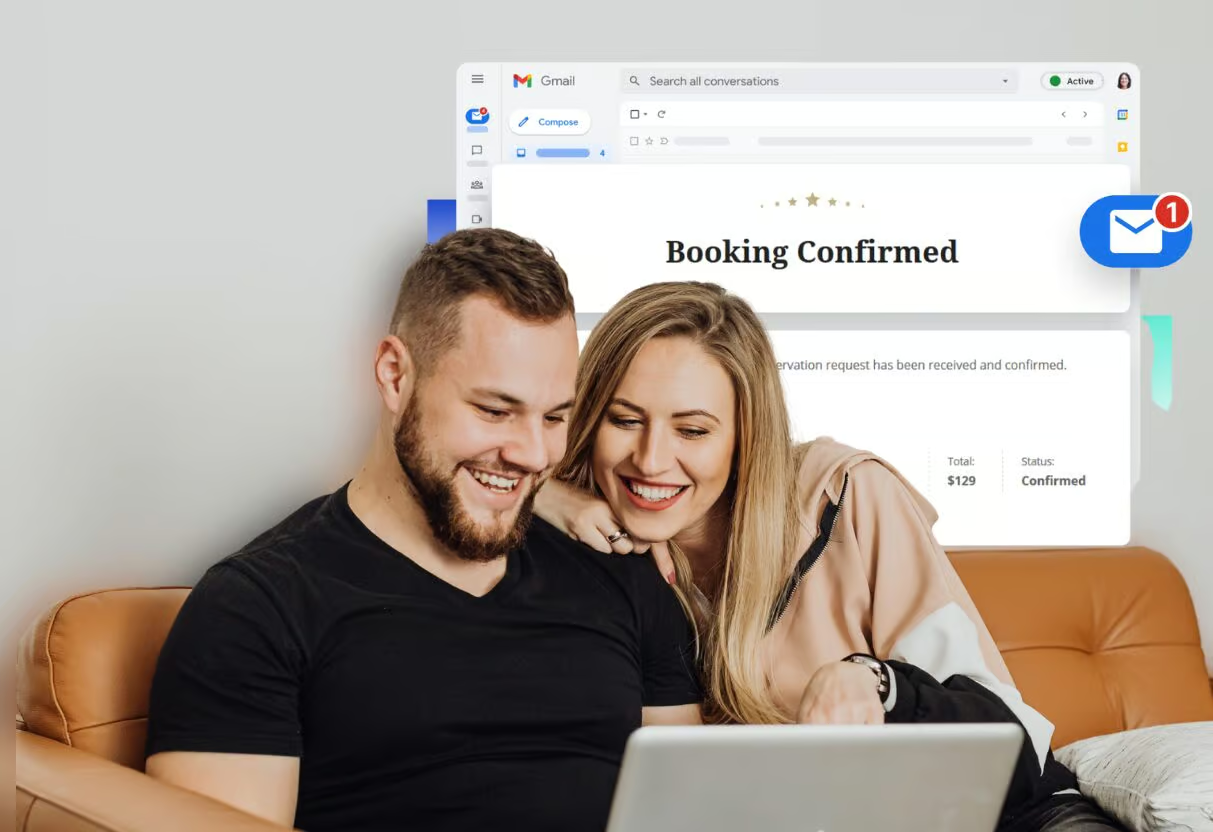
Smart booking confirmations and automated reminder emails can cut your no-show rates by as much as 40%. They also help build trust before your guests even set foot on your property.
Personalised messaging based on guest type turns these simple emails into genuine relationship-builders. If you’re not doing this, you’re missing out.
Reducing No-Shows With Smart Triggers
Automated emails sent at just the right moments seriously drop your no-shows. Fire off an initial confirmation right after the booking, guests love knowing their reservation is locked in.
Then, follow up with reminders, one a week before arrival, and another 24-48 hours out. This timing seems to work wonders for accommodation and tours alike.
Creating effective confirmation and reminder emails means using subject lines that actually tell guests what’s up, like “Your Blue Mountains tour tomorrow at 9am.” Skip the generic stuff.
Smart trigger examples:
- Immediate: Booking confirmation with details
- 7 days before: Weather updates, what to bring
- 24 hours before: Final reminders, contact details
- 2 hours before: Last-minute changes or directions
Always include your cancellation policy and contact info. Guests appreciate this kind of transparency, and it protects your bottom line too.
Your reminders should feel genuinely helpful. Toss in a weather forecast, parking tips, or even a few local restaurant ideas—guests notice those little extras.
Actionable takeaway: Set up automated emails to trigger 7 days and 24 hours before arrival, packing them with practical info to smooth out your guests’ experience.
Segmenting by Guest Type
Different guests want different things from your emails. Business travellers look for Wi-Fi and efficiency, while families care more about child-friendly details.
First-timers need clear directions and expectations. Returning guests? They love a nod to their last visit or a small personal touch.
Segment your emails based on:
- Booking type (accommodation, tours, activities)
- Guest demographics (families, couples, solo travellers)
- Booking value (premium vs budget options)
- Previous visit history (new vs returning guests)
Luxury resort guests expect concierge contacts and spa info. On the other hand, budget travelers just want the essentials, check-in steps, nearby shops, that sort of thing.
Email segmentation for tourism businesses lets you speak to each guest’s actual needs, not just blast everyone the same generic message.
Adventure operators can segment by experience level. Send safety info to newbies and upgrade offers to seasoned guests.
Actionable takeaway: Write separate templates for your top three guest segments, and tweak the content and tone so it actually fits their vibe.
Maximising Open Rates for Every Tourism Email Campaign

Getting your emails opened is half the battle, if they don’t open, they won’t book. Personalising the subject line with a first name can boost open rates by 26%, which is pretty wild. Testing is the only way to know what actually works for your crowd.
Subject Lines That Earn Extra Opens
Your subject line is make-or-break. In tourism, emotion usually wins out over logic.
Use urgency, but don’t go overboard. “Last 3 rooms available at Surfers Paradise” feels real, while “Book now or miss out forever” just feels desperate.
Personalisation matters way beyond names. Mention a guest’s previous booking or search. “Sarah, your favourite Byron Bay cottage is available again” just hits different.
Keep subject lines snappy, 30-50 characters is the sweet spot for mobile. Aussies are usually checking these on their phones, planning quick getaways or holidays.
Try seasonal angles. “Escape Melbourne’s winter” grabs attention in July. “School holiday adventures” means more in March than December. Timing is everything.
Actionable takeaway: Jot down five subject lines for each campaign. Rotate them based on segments and the season, and see what sticks.
A/B Testing for Optimal Performance
A/B testing lets you pit different versions of your emails against each other to see what really moves the needle on open rates.
Test one thing at a time. Maybe it’s “Weekend getaway deals” vs “Your weekend escape awaits,” but keep everything else the same so you know what’s working.
Send times are huge in tourism. Try Tuesday mornings, then compare with Friday afternoons. Business folks check email differently from leisure travelers. Accommodation emails might pop on Thursday nights, while tours get more love on Monday mornings.
Use at least 1,000 subscribers if you want the data to mean anything. Split your list in half, track for 24 hours, and keep in mind, travel plans often get discussed overnight at home.
The “from” name matters too. Sometimes “Great Barrier Reef Tours” beats out “Sarah from GBR Tours.” Some people trust brands, some want a personal touch. You never really know until you test.
Actionable takeaway: Schedule monthly A/B tests, try new subject lines, send times, and from names, and keep tweaking until you find your groove.
Boosting Click-Through Rates in Hotel and Tourism Emails
Strong call-to-action buttons and smart link placement can turn a plain newsletter into a real booking machine. These details decide whether guests just read or actually book.
Using Clear Calls to Action
Your CTA buttons are the jump from interest to booking. Tourism businesses that use clear, punchy calls to action see way more clicks.
Effective CTA Button Text:
- “Book Your Escape Now” instead of “Click Here”
- “Reserve Your Table Tonight” rather than “Learn More”
- “Claim Your Early Bird Deal” versus generic “Submit”
Make buttons pop with bold, contrasting colours. A bright orange “Book Now” on blue? That’ll get noticed.
Stick to one main action per email. Too many CTAs just dilute your message. If it’s a weekend getaway, every link should point to that offer.
Sprinkle in urgency, but keep it real. “Only 3 rooms left at this rate” beats vague “limited time offer” every time.
Actionable takeaway: Try out different CTA colours and button texts every month. See what your audience actually clicks.
Optimising Placement of Booking Links
Where you put your links can double your click-throughs, no joke. Drop your main booking link in the first 200 pixels; lots of people decide fast.
Prime Link Locations:
- Header area – right up top
- After your main offer – when interest peaks
- Email signature – for the scrollers
Don’t be shy about repeating your booking link in longer emails. Some people need a second or third nudge before they click.
Mobile is huge. Buttons should be at least 44 pixels, easy for thumbs. So many bookings happen on phones during lunch or the train ride home.
If your platform allows, try embedding direct booking widgets. Interactive calendars right in the email? Super slick.
Actionable takeaway: Use analytics to spot which link spots get the most clicks, then build future emails around those hot zones.
Strategies to Increase Conversion Rates from Your Email Campaigns
The line between a booking and a missed opportunity often comes down to friction, or a lack of real incentive. The smartest tourism businesses focus on clear value and a booking process that just works, no headaches.
What Drives Recipients to Book Direct
Give guests a reason to book direct instead of going through an OTA. Rate parity won’t do it, you need something extra that makes booking with you the obvious move.
Exclusive perks make a difference. Free Wi-Fi upgrades, late checkout, or a welcome drink only for direct bookings? People notice. A Byron Bay boutique hotel snagged 40% more direct bookings just by offering free breakfast to email subscribers.
Flexible cancellation policies are a big deal. If your competitors charge for changes, shout about your free 24-hour cancellation. It’s a small thing, but it gives guests peace of mind.
Personalised recommendations based on past stays help guests feel seen. If someone booked a harbour view last time, show off similar options next time.
Use urgency, but don’t fake it. “Book within 48 hours for 15% off” gets results, but only if the deal’s legit. People can smell phony deadlines a mile away.
Actionable takeaway: Come up with three exclusive direct booking perks. Spotlight one in each campaign to drive more conversions.
Frictionless Paths From Email to Booking Engine
Every extra click between your email and the booking page is a chance to lose a guest. Mobile optimisation is non-negotiable now—66% of emails get opened on a phone.
Design for mobile first. Single-column layouts, big buttons, easy to tap, don’t make guests pinch and zoom.
Direct linking wins. Instead of sending guests to your homepage, link straight to the booking page for their chosen dates. If you can pre-fill check-in dates, even better.
Simplify your booking forms, ask only what you really need. You can always gather extra info, like meal preferences, after the booking’s confirmed.
Spread out calls-to-action in longer emails. Don’t hide your booking button at the bottom; put it in after you show off specific rooms or packages.
Speed is everything. If your booking engine takes longer than three seconds to load, guests will bail. Test your links on different devices regularly, just to be sure.
Actionable takeaway: Do a monthly audit of your email-to-booking journey. Time every step and cut out any clicks that slow people down.
Reducing Unsubscribe Rates and Preventing List Fatigue

Your tourism business loses potential bookings every time a subscriber hits unsubscribe. Retaining subscribers is honestly the lifeblood of a profitable email list.
Monitoring and timing your content right can turn your emails from inbox clutter into something people actually look forward to, maybe even a spark of travel inspiration.
How to Monitor, Analyse and Improve Retention
Check your unsubscribe rates monthly, not just after each campaign. If you’re in tourism, aim to keep that number under 0.5%, higher rates can really mess with list health and ROI.
Key Metrics to Monitor:
- Unsubscribe rate per campaign type (newsletters vs promotional offers)
- Time between signup and unsubscribe
- Seasonal patterns in list departures
- Segment-specific retention rates
Set up automated surveys for unsubscribers. Ask them why they're leaving, keep it simple: “too many emails,” “content not relevant,” or “trip completed” covers most cases.
A boutique hotel chain found their welcome series lost 15% of subscribers by the third email. They cut the sequence from seven emails to four, and unsubscribes dropped to 3%.
Segment your retention efforts by subscriber behaviour. Recent bookers probably want fewer emails than browsers, and past guests might need a different approach altogether.
Actionable takeaway: Review your unsubscribe data every month. Try reducing email frequency for the segments with the highest losses before making sweeping changes.
Content Frequency That Keeps Audiences Interested
Match your email frequency to how your audience plans travel. Business travellers book within weeks, but families looking for holidays need nurturing for months.
Optimal Frequency Guidelines:
- Luxury resorts: 1-2 emails monthly with seasonal highlights
- Adventure tour operators: Weekly during peak booking seasons
- City attractions: Bi-weekly with event-driven increases
- Travel agents: Monthly newsletters plus timely deals
Email fatigue hits when value drops below the frequency. If your open rates dip under 20%, you’re probably sending too much.
A Great Barrier Reef tour operator switched from daily deals to three emails a week. Open rates jumped from 18% to 34%, and bookings rose 22%, not bad for fewer emails.
Content variety helps a lot. Mix up destination spotlights, guest stories, local events, and booking deals. Sending back-to-back promos? Not the best move.
Let subscribers set their own pace with preference centres. Offer “monthly inspiration,” “seasonal deals only,” or “last-minute offers” so they feel in control.
Actionable takeaway: Cut your email frequency by 25% for one high-loss segment, but keep your content fresh. You might be surprised—many tourism businesses see better results with fewer, higher-quality emails.
Using Email Automation to Save Time and Drive Conversions
Your hotel or tour business can reach guests with personalised messages at just the right moment—without you lifting a finger. Smart automation sequences seriously boost booking revenue by targeting guests when they’re most likely to book.
Lifecycle Automation Flows for Hotels
Pre-arrival sequences are gold for hotels. Set up emails to trigger seven days before check-in with local dining picks and things to do. Three days before, follow up with check-in details and upsell spa treatments or room upgrades.
Your welcome series should go out right after booking confirmation. Tell your property’s story, highlight amenities, and suggest add-ons. A Melbourne boutique hotel saw spa bookings spike 35% after adding automated pre-arrival upsell emails.
Post-stay workflows help you catch repeat bookings while memories are fresh. Send a thank-you within 24 hours, then a review request after three days. Behaviour-triggered campaigns match guest mindset and just work better.
Re-engagement flows target guests who haven’t booked in a while. Offer them seasonal packages or loyalty discounts to tempt them back.
Key takeaway: Set up these four automation flows to nurture guests through their whole journey with you.
How Automation Lifts Booking Revenue
Your conversion rates jump when automation tools deliver the right message at the perfect time. Abandoned booking sequences alone can recover 15-25% of lost reservations, pretty impressive.
Cart abandonment emails shine in hospitality. If someone starts booking but bails, trigger an email within two hours offering help. After 24 hours, follow up with social proof or a limited-time deal.
Dynamic pricing updates sent automatically can spark urgency. If rates drop for dates a guest viewed, let them know. If prices rise, give them a heads-up to book now.
A Gold Coast resort boosted direct bookings by 28% using automated emails with real guest photos and testimonials tailored to the accommodation types people browsed.
Seasonal targeting through automation helps you grab more revenue. Segment your list by past booking patterns and send relevant seasonal offers automatically.
Action step: Start with abandoned booking recovery emails, they almost always deliver the fastest ROI for tourism businesses.
Leveraging Guest Data for Automated Personalisation
Your email campaigns get way more effective when you combine the right guest data with smart automation. The trick is collecting info that matters while keeping guest trust front and centre.
Collecting the Right Data Points
Your reservation system already has a goldmine of info most tourism businesses miss. Look for booking patterns, preferred room types, and seasonal travel habits.
Essential data points include:
- Previous booking dates and frequency
- Accommodation preferences (sea view, ground floor, pet-friendly)
- Spending patterns on extras like spa treatments or tours
- Communication preferences and response times
Track guest behaviour during their stay with your property management system. Note special requests, dining choices, and activity bookings—it all paints a fuller picture of what they like.
Post-stay feedback offers crucial insights for future campaigns. Send automated surveys within 48 hours of departure while their trip is still fresh in their mind. Ask about services they’d actually book again.
AI-driven automation platforms can bump up your ancillary revenue by 35% with targeted offers based on guest data.
Action point: Audit your current data collection and pick three new data points you can start capturing automatically during booking or check-in.
Privacy and Trust in Data Use
GDPR compliance isn’t just about dodging fines, it’s about building real guest confidence in your brand. Only collect data that helps your guests, not just your business.
Always explain upfront why you need certain info. Say “We collect your dining preferences to suggest restaurants you’ll love” instead of hiding behind legalese.
GDPR-compliant data practices:
- Get explicit consent for marketing emails
- Make unsubscribing easy in every email
- Handle data deletion requests within 30 days
- Store data securely and run regular security checks
Be open about how you use personalisation tech to improve guest experiences. Most guests appreciate knowing their last spa visit means they’ll get wellness package offers, not random spam.
Offer a simple privacy dashboard so guests can view and control their data. It’s a trust-builder and shows you actually care about responsible data use.
More Australian hotels now include a “data preference centre” in booking confirmations. Guests can pick the types of personalised offers they want, makes a big difference.
Action point: Review your consent processes and rewrite your explanations for collecting data so they focus on guest benefits, not just compliance.
Building Loyalty and Rewards Programmes through Email
Email campaigns give hospitality businesses a real shot at building lasting guest relationships and driving repeat bookings. Targeted reward series and exclusive member offers can turn one-time visitors into loyal fans who keep coming back.
Reward Email Series that Boost Lifetime Value
Your hospitality business needs a system to nurture guests after their first stay. A good reward email series can turn occasional visitors into loyal customers who book with you directly year after year.
Kick things off with a welcome series that introduces new guests to your loyalty programme within 24 hours of their first booking. This first touchpoint sets expectations and highlights the exclusive perks they’ll get as members.
Points update emails are super effective in hospitality. Send automated messages when guests earn points from stays, restaurant visits, or spa treatments. Crown Hotels Perth does this well, sending personalised updates that show guests exactly how close they are to their next reward.
Monthly loyalty newsletters keep your property top-of-mind when people are deciding where to book. Share member-only content like local event previews, seasonal guides, or behind-the-scenes updates.
Birthday and anniversary emails add a personal touch that drives bookings. Offer special rates for the guest’s birthday month or for the anniversary of their first stay. These emails almost always get higher open rates than generic promos.
Tier upgrade notifications celebrate milestones and encourage guests to keep coming back. When someone hits VIP status, give them instant recognition and some exclusive perks—it goes a long way.
Actionable takeaway: Set up automated point balance emails that trigger after every stay, showing guests their progress toward free nights or upgrades.
Exclusive Offers for Repeat Guests
Your loyal guests deserve special treatment, give them reasons to book direct instead of through third-party sites. Exclusive member offers via email create a sense of privilege that really sticks.
Early access campaigns give loyalty members first dibs on special packages, promotions, or limited experiences. Luxury lodges in Tasmania do this by offering a 48-hour head start on peak season bookings.
Set up members-only rates that beat public prices by 10-15%. These discounts reward loyalty and save you those annoying commission fees.
Experience-based rewards are a hit in tourism. Offer things like a cooking class with your chef, private wine tastings, or exclusive tours, stuff they can’t get anywhere else.
Last-minute upgrade offers help fill premium rooms and make guests feel special. Send targeted emails offering suite upgrades or premium amenities at a discount when you’ve got availability.
Package exclusives bundle accommodation with local attractions, dining, or activities at member-only prices. Team up with local operators to create deals guests can’t find on booking sites.
Referral rewards turn happy guests into brand advocates. Give both the referrer and the new guest a little something when bookings come from recommendations.
Actionable takeaway: Run quarterly members-only flash sales with 24-hour booking windows—create some urgency and reward your loyal guests at the same time.
Bringing Back Lost Bookings with Cart Abandonment Emails
Your guests abandon their booking carts at an alarming rate, sometimes 70% or more in tourism. With the right email campaigns, you can win back 10-15% of those lost reservations by offering timely incentives and keeping tabs on what actually works.
Smart Incentives to Complete Reservations
Winning back abandoned bookings starts with figuring out why guests bailed in the first place. Unexpected fees, clunky booking forms, or just plain distractions usually top the list for most tourism businesses.
Your first email should go out within an hour, just a gentle nudge about their selected dates and property. No pressure here, just a quick reminder so they don’t forget.
Effective incentive strategies include:
- Early bird discounts (5-10% off if they book within 24 hours)
- Free upgrades to better rooms or experiences
- Complimentary amenities like breakfast, Wi-Fi, or parking
- Flexible cancellation policies to ease booking worries
Boutique hotels in Queensland have had luck offering free airport transfers for bookings finished within 48 hours. Tour operators sometimes bundle in extra activities at no extra cost, people love a little something extra.
Timing your email marketing campaign matters enormously:
| Timing | Focus | Conversion Rate | |
|---|---|---|---|
| 1st | 1 hour | Gentle reminder | 2-3% |
| 2nd | 12 hours | Highlight benefits | 1-2% |
| 3rd | 24 hours | Create urgency | 3-4% |
| 4th | 48 hours | Final offer | 2-3% |
Your third email usually shines when you mention limited spots or time-sensitive pricing. Adventure tour companies, for example, see great results by highlighting seasonal availability, think “Only 3 spots left for whale watching season.”
Actionable takeaway: Try out different incentive combos and send that urgency email at the 24-hour mark. That’s when conversion rates often spike.
Monitoring and Measuring Recovery Rates
You can’t improve what you don’t track. The performance of your abandoned cart emails hits your bottom line directly, so keeping an eye on the right metrics sets successful tourism businesses apart.
Essential metrics to monitor:
- Recovery rate (percentage of abandoned bookings you recover)
- Revenue per email (total revenue divided by emails sent)
- Open rates for each email in the sequence
- Click-through rates for each campaign variation
Most tourism operators land between 8-12% recovery with basic campaigns. Professional abandoned cart email strategies—with proper segmentation, can push that up to 15-20%.
Your email platform should handle these metrics for you. Mailchimp, Constant Contact, and a few hospitality-specific platforms get the job done for most tourism businesses.
Segment your abandoned cart campaigns by:
- Booking value (luxury vs budget travelers)
- Destination type (city breaks vs adventure tours)
- Guest history (repeat vs first-timers)
- Seasonal patterns (peak vs off-season)
A Sydney harbour cruise operator bumped their recovery rate from 9% to 16% just by segmenting emails by tour type. Sunset cruise abandoners responded to romantic imagery, while families cared more about safety and convenience.
Try fresh subject lines every month. “Your adventure awaits” usually beats “Complete your booking” by 20-30%, at least in the travel world.
Actionable takeaway: Set up weekly dashboards and A/B test one thing every month, maybe subject lines, send times, or incentive types. Keep tweaking to improve those conversion rates.
Hyper-Targeted Event and Seasonal Campaigns for Extra Revenue
Tourism businesses that sync email campaigns with specific events and seasonal patterns catch travelers when they’re most eager to book. Smart segmentation during these peaks turns your emails from generic blasts into real revenue drivers.
Tailoring Offers to Local and Global Events
Your emails become profit machines when you connect them to events that fuel travel demand. Music festivals, sporting championships, and big cultural celebrations all create booking surges, if you’re ready with the right message.
Major Event Categories for Tourism Email Campaigns:
- Sporting Events: Grand Prix, rugby finals, cricket tournaments
- Cultural Festivals: food and wine events, art exhibitions, music festivals
- Business Events: conferences, trade shows, corporate gatherings
- Seasonal Celebrations: Christmas markets, New Year's festivities, Easter breaks
Picture a Melbourne hotel during Australian Open season. They’d send tennis fans match package offers, while business travelers get quieter accommodation options away from the crowds.
Your segmentation should factor in guest location, past booking behavior, and stated interests. A guest who booked for the Melbourne Cup? Send them offers for other racing events across Australia.
It’s smart to keep templates ready for recurring annual events, so you’re not scrambling when booking windows open.
Actionable takeaway: Build event-specific segments 60 days before major local events. Prepare targeted offers that speak to what each traveler type wants during those dates.
Seasonal Trends and Travel Intent
Seasonal marketing campaigns drive 27% of all retail sales globally, and tourism follows the same rhythm. Your email ROI jumps when you anticipate seasonal travel desires instead of sending the same stuff all year.
Peak Seasonal Email Opportunities:
- Summer holidays: Family packages, beach getaways, outdoor adventures
- Winter escapes: Warm climate trips, ski deals, cozy retreats
- School holidays: Family-friendly activities, educational tours, theme park specials
- Off-peak periods: Romantic escapes, senior travel, digital detox packages
Smart operators segment emails by traveler type and seasonal preferences. Families with school-aged kids get winter holiday promos in June, while retirees see shoulder-season deals focused on comfort and value.
Your promo emails should call out specific seasonal perks. Instead of “Great winter deals,” try “Escape the winter blues with 30% off tropical Queensland resorts, warm beaches while everyone else shivers.”
Track which seasons pull in the highest engagement and revenue from different customer segments. This info helps you spend your marketing dollars wisely and build hyper-targeted campaigns that tap into real seasonal motivations.
Actionable takeaway: Build seasonal email calendars that anticipate travel intent. Segment your database by past seasonal bookings, and send timely offers that match when people naturally start dreaming about different holidays.
Using Visual Content to Inspire and Convert
Your tourism business needs visuals that spark wanderlust and drive instant bookings. The right images and videos can turn your emails into powerful booking engines that connect emotionally with travelers.
Selecting the Perfect Images for Each Campaign
The images you pick can mean the difference between a booking and the trash folder. Visual content in tourism marketing boosts engagement rates by up to 300% compared to text-only emails.
High-resolution lifestyle shots beat generic stock photos every time. Show real guests having fun, families laughing at breakfast, couples with sunset views, friends exploring markets. Authentic moments build trust and drive conversions.
Seasonal relevance is huge for dynamic content. A Blue Mountains resort should show autumn leaves in March, cozy fireplaces in July. Match images to what travelers expect for their visit dates and your emails will feel more personal.
Mobile optimization is non-negotiable since 70% of travel emails get opened on phones. Stick to vertical or square images that look good on small screens, and compress files so they load fast, nobody likes waiting.
Try out different photo styles with your audience. Bright, saturated shots work for tropical spots; moodier, atmospheric pics suit boutique city hotels. Play around and see what sticks.
Video and Virtual Tours in Email
Videos in your emails can boost click-through rates by 200-300%. Showing is just more powerful than telling, especially in travel.
Short promo videos (15-30 seconds) are perfect for highlighting room types, restaurant vibes, or activity teasers. A Cairns tour operator might share underwater clips from snorkel trips. A Melbourne hotel could show off its rooftop bar at sunset.
Virtual tours let guests explore your property before they book. Embed 360-degree room views or walkthroughs right in your emails. This transparency builds trust, especially for international guests who can’t visit in advance.
Behind-the-scenes content gives your brand some personality. Show your chef prepping a signature dish or your concierge sharing favorite local spots. These touches help you stand out from competitors using bland marketing.
Keep video files small and use eye-catching thumbnails with play buttons. Since not every email client supports embedded video, always add a clickable link to the full video on your website.
Actionable takeaways: Use authentic guest photos in 80% of your campaigns. Test video thumbnails against static images to see what your audience responds to best.
Optimising Email Send Times and Frequency for Maximum ROI
Getting your timing right can boost email marketing ROI by up to 30% in tourism. Knowing when guests check emails—and how often they want to hear from you, directly affects bookings and repeat business.
Finding Your Audience's Best Moments
Travelers check emails differently than regular consumers. Business travelers usually read emails early morning (6-8 AM) or evening (6-8 PM) on weekdays. Holiday makers? They lean toward weekend mornings while planning trips.
Start by digging into your own email data. Check open rates by send time over the last three months. You'll probably spot patterns unique to your guest mix.
Test these peak tourism email times:
- Tuesday-Thursday 10 AM for business travel bookings
- Saturday 9-11 AM for leisure planning
- Sunday 7 PM for week-ahead booking inspiration
Resort operators often get good results with Thursday sends, people start planning for the weekend. City hotels do better with Monday emails targeting business travelers.
AI-powered email frequency tools can now tweak send times for each guest based on their behavior. These tools watch when subscribers open emails and adjust future sends to match.
Actionable takeaway: A/B test your current send times against industry peaks, then roll out the winners for each guest segment.
Avoiding Over-Communication Pitfalls
It’s easy to overwhelm potential guests with daily promos, but that just annoys people and hurts your ROI.
Stick to the 3-2-1 frequency rule for tourism:
- 3 emails max per week during peak booking times
- 2 emails per week for regular promo periods
- 1 email weekly in the off-season
Past guests usually tolerate more emails than prospects. They already know and trust your brand, so they’re more open to updates or special offers.
Pre-arrival guests are a different story. You can send confirmation emails, local guides, and check-in details without worrying about overdoing it, these actually help and boost satisfaction.
Keep an eye on unsubscribe rates. If they climb above 2% per campaign, you’re probably emailing too much. Email frequency best practices say quality trumps quantity, especially in tourism.
Actionable takeaway: Segment your list by guest status (prospects, booked, past guests) and use different frequency rules for each group, based on where they are in their journey with you.
Tracking and Measuring the ROI of Your Email Marketing Efforts
Tourism businesses that track key email metrics like open rates and conversions often see average returns of $36 for every dollar spent. Hotels and attractions really need benchmarks to measure success against industry standards.
Key Metrics for Tourism Businesses
Your tourism business should keep an eye on three critical metrics to measure email marketing success. Start with open rates, aim for 22-25% if you’re in hospitality, which is a bit higher than average since travellers are usually looking for destination info.
Click-through rates matter more for bookings. Try to hit at least 3-4%, though luxury resorts sometimes get 6-8% when they target past guests with personalized offers.
Conversion tracking links emails directly to bookings. Set up tracking codes for every campaign so you can see which messages actually drive reservations.
A Melbourne boutique hotel bumped conversions by 40% once they realized their “weekend getaway” emails worked best on Tuesdays. That’s the kind of insight you want.
Revenue per email tells the real story. Divide total bookings generated by the number of emails sent—quality tourism businesses usually see $2-5 per email sent to segmented lists.
Track these essential metrics weekly:
- Booking conversion rate from email clicks
- Average booking value from email traffic
- Time between email send and reservation
- Repeat customer rate from email campaigns
Use UTM codes on every email link to track performance in Google Analytics. This way, you know exactly which emails drive bookings (not just website visits).
ROI Benchmarks for Hotels and Attractions
Tourism businesses will see different ROI benchmarks depending on their type and market position. Boutique hotels usually achieve 25-35:1 ROI ratios when they target previous guests with seasonal promotions.
Theme parks and attractions see 15-20:1 returns, and those numbers climb during school holidays. A Gold Coast theme park once hit 45:1 ROI by segmenting families with kids under 12—pretty wild, right?
Luxury resorts command the highest returns at 40-50:1 ratios, thanks to those big booking values. Their lists are smaller but packed with value, with bookings averaging $2,000+ per conversion.
Budget accommodations usually see 8-12:1 returns, but they make up for lower ratios with sheer volume. Backpacker hostels do well with last-minute booking emails sent just a day or two before check-in.
Industry ROI by business type:
| Business Type | Expected ROI Ratio | Average Booking Value |
|---|---|---|
| Boutique Hotels | 25-35:1 | $350-600 |
| Luxury Resorts | 40-50:1 | $1,500-3,000 |
| Budget Hotels | 8-12:1 | $80-150 |
| Attractions | 15-20:1 | $45-120 |
Track your cost per acquisition through email versus other channels. Email should cost 60-80% less than social media ads for the same booking.
Set up automated reports to check ROI monthly. Pay attention to seasonal patterns—most tourism businesses see 30-50% higher email ROI during peak booking periods compared to the shoulder season.
Segmenting Your Audience for Tailored Guest Experiences
Smart email segmentation turns your guest communications from generic blasts into personalized conversations that actually drive bookings. When you split your list based on guest behaviors and demographics, you’ll see conversion rates climb because each message feels relevant.
Demographic and Behavioural Segmentation
Your guest database probably holds a goldmine of insights that most tourism businesses barely touch. Start with basic demographic splits—age groups, location, and travel party size offer instant segmentation wins.
A Brisbane boutique hotel might send family-friendly weekend packages to subscribers with kids, while pitching weeknight business rates to solo travelers. Geographic segmentation works wonders too—promote summer surf packages to Melburnians during their chilly winters.
Behavioral data tells an even deeper story. Track which guests book last-minute versus those who plan months ahead.
Spontaneous bookers snap up flash sales and urgent offers, while planners want detailed itineraries and early-bird discounts.
Website activity reveals guest interests before they even book. If someone’s browsing your spa pages, send them wellness-focused emails.
Visitors checking your restaurant? Hit them with culinary experience promos.
Actionable takeaway: Set up automated segments for repeat guests, first-timers, and cart abandoners—just these three groups can boost your conversion rates by 25-30%.
Segmentation by Booking Intent
Knowing where guests sit in your booking funnel lets you send perfectly timed nudges. Email segmentation strategies work best when you match them to booking behaviors.
High-intent segments include guests who’ve checked out pricing, downloaded brochures, or started booking. These warm leads need gentle pushes—limited-time offers, social proof, or quick answers to their questions.
Medium-intent subscribers might have signed up for your newsletter or liked your social posts. They need nurturing—send them destination guides, local event calendars, and behind-the-scenes content to build desire.
Cart abandoners deserve special attention. A Cairns tour operator could send a gentle reminder, then tackle common booking concerns, and maybe finish with a small discount.
Engagement-based segments help you spot your most valuable subscribers versus those who need a re-engagement campaign. Your highly engaged subscribers make perfect candidates for premium experiences and referral programs.
Actionable takeaway: Build separate email flows for each intent level. This can boost your booking conversion rates by up to 40% compared to one-size-fits-all campaigns.
Strategic List Hygiene for Deliverability and Performance
Your tourism business loses revenue if emails land in spam folders or bounce back. Pruning inactive subscribers and using smart unsubscribe processes directly affects your open rates and bookings.
Removing Inactive Subscribers
Inactive subscribers drag down your sender reputation with email providers like Gmail and Outlook. If guests haven’t opened your emails in 90-180 days, they’re basically telling mailbox algorithms they’re not interested.
Segment your subscribers by engagement. Create lists for guests who opened emails in the last 30, 60, and 90 days.
Reactivation Campaign Strategy:
- Send a “We miss you” email with exclusive offers
- Highlight new amenities or experiences
- Try subject lines like “Your 20% discount expires tomorrow”
Tour operators often succeed with location-based reactivation. If someone booked Cairns tours before, send them Great Barrier Reef updates or new adventure packages.
Remove subscribers who still don’t engage after 2-3 reactivation tries. This improves deliverability and engagement for your remaining active audience.
Actionable takeaway: Set up automated workflows to flag inactive subscribers every quarter and remove non-responders after targeted win-back campaigns.
Unsubscribe Management Best Practices
Making unsubscribing hard just frustrates guests and leads to more spam complaints. High complaint rates tell email providers your content is unwanted, which hurts deliverability for everyone.
Put unsubscribe links where people can see them—right in your email footer. Use clear language like “Unsubscribe from marketing emails” instead of tiny text or confusing options.
Smart Unsubscribe Options:
| Option | Benefit |
|---|---|
| Reduce frequency | Keeps subscribers engaged |
| Change email type | Maintains relationship |
| Pause temporarily | Accommodates travel schedules |
Your resort could offer “Pause emails for 6 months” for guests planning long trips. Adventure tour companies might let subscribers choose weekend trip notifications instead of daily emails.
Proper unsubscribe management protects your sender reputation and respects guest preferences. Process unsubscribe requests quickly, ideally within 24 hours.
Actionable takeaway: Create preference centers so subscribers can customize email frequency and content types, instead of forcing an all-or-nothing unsubscribe.
Integrating Email Marketing with Your Broader Tourism Marketing Strategy
Email marketing works best when you connect it with your other marketing efforts. Your social media, SEO, and partnerships should all work together to build a stronger message for your tourism business.
Aligning with Social Media and SEO
Your email campaigns and social media should tell the same story. If you're sharing local attractions or seasonal offers on Facebook, use similar themes in your email newsletters.
Create a content calendar to coordinate both channels. If you’re promoting a winter ski package on Instagram, send related emails with booking links and exclusive discounts.
Use email to grow your social following. Pop social media buttons into every email. Share behind-the-scenes content via email and encourage people to follow your socials for daily updates.
For SEO, add your best-performing email content to your website. Turn popular newsletters into blog posts—search engines (and your guests) will love the fresh content.
Hotel marketing gets a real boost here. Share guest testimonials from emails on your socials. Feature email-exclusive room upgrade offers on your website to improve search rankings for “hotel deals” keywords.
Drive traffic between channels by teasing email-only content on social. Post something like: “Our email subscribers got first access to these sunset tour photos—join our list for exclusive content.”
Cross-Promotion with Partnerships
Team up with local tour operators, restaurants, and attractions to expand your email reach. Run joint campaigns where you promote their services to your list and they feature your accommodation to theirs.
Set up email list swaps with complementary businesses. A boutique hotel can partner with a local winery, each sends one promotional email to their list featuring the partner’s special offer.
Develop package deals that benefit both partners. Your hotel emails could promote “Stay 2 nights, get 20% off wine tours,” while the tour company offers “Book a tour, save on accommodation.”
Track partnership performance with unique discount codes for each partner. This tells you which collaborations bring in the most bookings and revenue.
Create seasonal partnership campaigns. During summer, team up with beach equipment rentals, surf schools, or local restaurants. Your combined email marketing offers a complete holiday experience that competitors can’t easily match.
Use partnerships to reach new audiences. A family-friendly hotel working with children’s activity centers instantly connects with parents planning holidays.
Leveraging User-Generated Content in Your Emails
Guest photos and testimonials build authentic connections that drive more bookings than any traditional marketing copy. Your customers become your best sales team when you showcase their real experiences.
Encouraging and Showcasing Guest Stories
Your happiest guests want to share their experiences—you just need to ask the right way. Try sending a follow-up email 2-3 days after checkout, requesting photos and stories from their stay.
Make it easy for them by giving specific prompts. Ask about their favourite meal at your restaurant, the view from their room, or maybe a family photo by your pool.
These targeted requests usually get more responses than those generic “tell us about your stay” messages.
Create incentives that work:
- Offer 10% off their next booking for submitted content
- Provide complimentary room upgrades for featured stories
- Give dining vouchers for social media posts mentioning your property
Showcase guest stories front and center in your email campaigns with layouts that grab attention. Use their actual names and locations to boost credibility.
The Langham Melbourne nails this by featuring guest Instagram photos in their weekly newsletters. You see real families enjoying harbour views and afternoon tea, which feels a lot more genuine than any stock photo.
Mix up your story formats—short testimonials, photo galleries, even brief video clips. That variety keeps your email engagement rates up, no matter what your subscribers prefer.
Actionable takeaway: Set up an automated email that goes out 48 hours post-checkout. Offer a specific incentive and include three clear photo prompts.
Amplifying Social Proof for Bookings
Turn guest reviews into booking magnets by placing them strategically throughout your email campaigns. Recent studies say emails with authentic guest testimonials get 34% higher click-through rates than standard promos.
Position social proof strategically:
- Subject lines: “Why Sarah from Brisbane calls us ‘paradise'”
- Header sections: Rotate guest quotes with star ratings
- Package descriptions: Drop in specific guest comments about experiences
- Booking CTAs: Add “Join 500+ happy families this season” messaging
Highlight local experiences through your guests' eyes. When guests share photos of wine tasting in your region or snorkelling at nearby reefs, those images tell your story way better than glossy pro shots ever could.
Create urgency with real-time social proof. Let subscribers see messages like “The Johnson family just booked the Harbour View Suite for March” in your promo emails.
Tourism Whitsundays does this brilliantly, showing live booking activity that stirs up a bit of FOMO.
Segment testimonials by guest demographics. Send family stories to subscribers interested in family packages, and romantic getaway stories to couples celebrating anniversaries.
Actionable takeaway: Build a monthly email template featuring three guest stories with photos. Put them before your main offer to build trust before asking for bookings.
A/B Testing and Continuous Improvement in Email Campaigns
Testing different email elements helps tourism businesses figure out what really clicks with their guests. Smart A/B testing on subject lines, content blocks, and special offers can lift your open rates and turn more enquiries into bookings.
Testing Subject Lines and Content Blocks
Your subject line is the gatekeeper, guests either open your email or hit delete. For tourism businesses, A/B testing subject lines is absolutely crucial for better open rates.
Try these proven subject line variations:
- Personalised vs generic (“Sarah, your Byron Bay escape awaits” vs “Book your Byron Bay holiday”)
- Urgency vs benefit-focused (“Last 3 rooms available” vs “Wake up to ocean views”)
- Question vs statement (“Ready for your next adventure?” vs “Your next adventure starts here”)
Test content blocks by switching up your email layout and messaging. Try featuring different room types, highlight various activities, or move your call-to-action buttons around.
A boutique hotel in the Blue Mountains ran a test: Version A showcased luxury suites first, while Version B led with family-friendly activities. The family-focused version bumped click-through rates by 28% during school holidays.
Focus on one element at a time. If you test both subject lines and content together, you won't know which made the difference.
Actionable takeaway: Test subject lines in your next campaign by sending two versions to small segments of your list. Use the winner for the rest.
Iterating Offers for Better Results
Your promotional offers need constant tweaking to maximise bookings and revenue. Different guest segments react to different incentives, so offer testing is essential for your bottom line.
Test these offer variations:
- Percentage discounts vs dollar amounts (“20% off” vs “$100 off”)
- Package deals vs room-only rates
- Early bird vs last-minute pricing
- Free extras vs price reductions (“Free breakfast” vs “Save $50”)
A Queensland resort found that international guests loved package deals with meals and activities, while domestic travellers leaned toward room discounts. This insight let them segment their email marketing and boost conversions by 35%.
Track the right metrics. Don't just watch open rates—keep your eye on booking conversions and revenue per email. Sometimes a lower open rate still brings in more profit if it attracts higher-spending guests.
Test seasonal offers all year. What works in peak summer might flop in winter. Your Christmas promo strategy shouldn't look anything like your Easter campaign.
Actionable takeaway: Run monthly offer tests comparing your usual discount with a new promo type. Analyse which one brings in higher booking values, not just more bookings.
Design Best Practices: Responsive Layouts and Accessibility
Your tourism emails have to work perfectly on every device your guests use, from smartphones on the go to tablets at home. Responsive email design keeps things readable and builds trust with potential visitors.
Ensuring Readability Across Devices
Over 60% of your tourism emails get opened on mobile devices, so responsive design isn't optional anymore. Your booking confirmations, itineraries, and promos need to look great whether guests check them poolside or at their desks.
Use fluid grid layouts that adjust column widths for the screen size. A two-column desktop layout showcasing hotel amenities and attractions should stack vertically on mobile for easy reading.
Make your call-to-action buttons big enough for easy tapping. “Book Now” or “Check Availability” buttons need at least 44 pixels in height, with enough space around them to prevent mis-taps.
Keep images scalable and optimised for quick loading. High-res photos matter for tourism marketing, but they have to resize properly and not bog down loading times.
Key Actions: Test your emails on several devices before sending. Use single-column layouts for mobile-first design.
Using Colour and Typography for Impact
Pick fonts that stay crisp and readable at 14 pixels or larger on all devices. Your hotel name, booking details, and key info need to be instantly readable, even on tiny screens in bright sunlight.
Create strong contrast between text and background colours. Black text on white backgrounds always works, but keep your brand colours in headers and buttons. Don't rely on colour alone to show important info like booking deadlines or cancellation policies.
Think about dark mode compatibility for your emails. Lots of travellers use dark mode, so check how your resort photos and text look in both light and dark themes.
Use white space generously. Tourism emails can get crowded, room details, amenities, attractions, but stuffing everything together creates chaos. Give your content room to breathe.
Key Actions: Keep your brand colours consistent, ensure accessibility, and always test your colour combos in both modes.
Reducing Reliance on OTAs with Direct Booking Email Strategies
Email marketing gives you a straight line to past guests and potential customers—no hefty OTA commissions eating into your profits. Your email campaigns can spotlight exclusive perks and create urgency that drives bookings straight to your site.
Encouraging Book-Direct Behaviours
Your campaigns need to make it clear why booking direct is better for your guests. Highlight price matching guarantees alongside exclusive perks like free breakfast, room upgrades, or flexible cancellations.
Build urgency into your subject lines. Use phrases like “Exclusive 48-hour offer” or “Members-only rates ending soon” to nudge people into action.
Personalisation works wonders, use guest names and refer to their previous stays or preferences.
Send targeted campaigns based on booking history. If someone usually books through OTAs, send them a special “Welcome Back” offer that's only on your website. Research says 80% of consumers prefer tailored offers.
Include clear call-to-action buttons that go straight to your booking engine. Make sure your website loads quickly and the booking process feels easy, any friction, and guests might run back to the OTAs they know.
Actionable takeaway: Set up automated emails that trigger 30 days before a guest's stay anniversary. Offer exclusive direct booking incentives.
Exclusive Email-Only Packages
Your email subscribers should feel like VIPs with access to deals they can't get anywhere else. Bundle accommodation with local experiences, dining credits, or spa treatments.
Team up with local businesses to offer unique experiences only through email. A Blue Mountains resort could bundle accommodation with wine tours and breakfast hampers. These partnerships rarely cost you much but add loads of perceived value.
Time your exclusive offers smartly. Send weekend getaway packages on Wednesdays, people are already thinking about their plans. Business travellers usually respond to Monday morning emails about corporate rates and flexible policies.
Use scarcity marketing, limit packages to email subscribers or set “first 24 hours” pricing. The JW Marriott San Antonio's themed packages generate buzz because they're elaborate and marketed only to direct channels.
Track which packages perform best and tweak your offers. Look at bookings and revenue per email to keep optimising.
Actionable takeaway: Launch monthly email-exclusive packages that bundle your accommodation with 2-3 local partner experiences. Price them 15-20% below the individual costs.
Encouraging Guest Feedback and Reviews via Email
Smart timing and personal touches in your feedback requests can boost response rates by up to 40%. The trick is crafting requests that feel genuine and using guest insights to sharpen your marketing.
Crafting Effective Feedback Requests
Timing matters when you ask for reviews. Send your first feedback request 24-48 hours after checkout, while the experience is still fresh.
The Perfect Thank-You Email Structure:
- Personalised greeting with guest's name
- Genuine appreciation for their stay
- Specific mention of services they used
- Clear, single call-to-action for reviews
Keep your request simple and focused. Asking for too many things in one email just confuses guests and drops your response rate.
Offer a small incentive, like 10% off a future stay, but be transparent to keep reviews authentic. Plenty of boutique hotels in Queensland use this approach and see good results.
Your subject line should feel warm and personal. Try “Thanks for staying with us, Sarah” instead of the cold “Please leave a review.” It feels more like a conversation, less like a transaction.
Using Feedback to Shape Future Campaigns
Turn guest comments into marketing gold for your next email campaigns. Positive feedback? That’s your social proof. Constructive criticism points you toward better service.
Build a feedback database that tracks:
- Guest satisfaction scores
- Specific service mentions
- Improvement suggestions
- Repeat booking likelihood
Drop glowing reviews into your promotional emails to boost trust with future guests. Guest reviews wield extraordinary influence over both booking decisions and your property's reputation.
Spot guests who mention staff by name and share those stories in your newsletters. This isn’t just good for team morale, it also highlights your personal touch.
Actionable takeaways: Send feedback requests within 48 hours of checkout. Build a system for weaving guest insights into your ongoing email marketing strategy.
Effective Email Templates for Every Stage of the Guest Journey
Smart tourism businesses know: timing can matter as much as content. The right message at the right moment? That’s how you turn one-time visitors into loyal fans who book direct and spend more.
Pre-Stay, In-Stay and Post-Stay Templates
Your pre-stay templates set the vibe for everything that follows. Go beyond booking confirmations, add local weather, packing tips, and some exclusive property perks.
Welcome series emails really shine here. Maybe send travel tips three days before arrival, then spotlight your best dining options 24 hours out. Hotel email marketing campaigns using this trick often see higher guest satisfaction scores.
In-stay messaging keeps your brand top of mind, but don’t overdo it. Room upgrade offers in the first hour after check-in convert surprisingly well. Daily activity suggestions, tailored to weather or local events, show you’re paying attention.
Wi-Fi login pages trigger automated sequences perfectly. Guests actually prefer booking spa treatments, restaurant reservations, or late checkouts via email rather than calling.
Post-stay follow-up starts the next booking cycle. Thank-you emails within 24 hours, plus review requests and photo-sharing prompts, keep you fresh in their minds. A second email a week later with a personalised offer for a return visit can work wonders.
Loyalty programme invites and seasonal promos help you stay connected between stays. Properties using a three-stage post-stay sequence often see 40% higher repeat bookings.
Actionable takeaway: Set up automated sequences for each stage. Personalise based on guest behaviour and preferences you’ve collected—don’t just set it and forget it.
Tailored Messaging by Guest Segment
Generic emails? They kill conversion rates in tourism. Your email segmentation strategy should reflect how different guests behave and spend.
Business travellers want efficiency. Highlight express check-in, meeting spaces, and early breakfasts. Weekend leisure guests? They’re looking for romance packages, spa deals, and local attraction tie-ins.
Families respond to child-friendly amenities, connecting rooms, and activity ideas. Solo travellers care about safety, social dining, and group tours.
Guest journey emails that engage and convert use booking history for laser targeting. First-timers get orientation info and property highlights; returning guests see insider tips and VIP offers.
Seasonal segmentation works wonders. Summer families get pool info and kids’ clubs. Winter couples get fireplace dining and spa packages. Corporate groups want function space details and team-building options.
Geographic segmentation helps with timing and content. Domestic guests might book last-minute weekends, while international visitors plan months ahead and need detailed arrival guides.
Actionable takeaway: Start with three basic segments, business, leisure couples, and families. Then refine based on your booking and feedback data.
Engagement Metrics That Matter: From Opens to Repeat Bookings
Modern tourism businesses need engagement metrics that actually follow the whole customer journey, from first email to bookings. Open rates only tell part of the story, while deeper behavioural signals show who’s ready to book your next tour or hotel stay.
Reading Signals Beyond the Open
You really can’t rely on open rates anymore to measure email success. Open rates have lost their relevance thanks to privacy updates and auto-previews.
Click-through rates give you far better insight into real interest. If someone clicks your “Book Now” button for that Blue Mountains trip, that’s intent you can use.
Track these engagement signals instead:
- Email deliverability rate – make sure your booking confirmations hit inboxes
- Click-to-open ratio – check if your tour package content is landing with the right people
- Time spent reading – see who’s genuinely interested in your destination content
A Queensland resort boosted bookings by 40% after focusing on click-through patterns instead of open rates. They found guests who clicked multiple newsletter links were three times more likely to book.
Turning Clicks into Action
If you want to turn email engagement into real bookings, you’ve got to watch post-click behaviour closely. Your conversion rates from email to booking show which messages drive actual revenue.
Monitor conversion velocity, how quickly do guests move from email click to completed booking? Fast conversions usually mean high purchase intent for your tours or rooms.
Key conversion metrics for tourism:
- Booking completion rate from email traffic
- Average booking value per email click
- Time from email engagement to reservation
A Cairns tour operator noticed their reef diving emails got lots of clicks but few bookings. They streamlined the booking process and conversions jumped from 2% to 8% in just a month.
Actionable takeaways: Focus on click-through and booking conversion rates, not just opens. Track the whole journey from email to confirmed reservation to spot where potential guests drop off.
Reactivation Campaigns: Bringing the Inactive Guest Back
Past guests who’ve stopped opening your emails are untapped revenue just waiting. Strategic win-back offers and personalised messaging can recover 5-25% of inactive subscribers and turn dormant contacts into repeat bookings.
Win-Back Offers that Work
Inactive guests need a real reason to come back. Generic discount codes? They rarely cut it in today’s crowded tourism world.
Room upgrade incentives work brilliantly for hotels. Try offering a complimentary suite upgrade or a premium view to guests who haven’t booked in 6-12 months. Marriott does this all the time, promoting “welcome back” packages with extra perks.
Experience-based offers hit home with travellers. Bundle accommodation with local tours, spa treatments, or dining credits for more perceived value than a straight discount.
Seasonal exclusivity taps into that FOMO feeling. Limited-time offers for off-peak periods help you fill rooms and create urgency. “Exclusive winter escape, 48 hours only” can work surprisingly well.
Loyalty point bonuses are a favourite for repeat customers. Double or triple points for the next booking gives guests future value and nudges them to act now.
Free cancellation policies calm booking nerves. With so much uncertainty, flexible terms can be the nudge that brings lapsed guests back.
Actionable takeaway: Test experience packages against room discounts. Many tourism businesses find experiential offers drive higher booking values and longer stays.
Personalising Outreach for Lapsed Subscribers
Generic reactivation emails usually flop. Past guests expect messages that reflect what they liked before.
Booking history personalisation is your base. Mention their last stay, preferred room, or activities they enjoyed. “We’ve upgraded our spa since your relaxing weekend in March” it’s specific and sparks curiosity.
Seasonal timing alignment boosts relevance a ton. If a guest visited during school holidays, time your reactivation campaign 6-8 weeks before the next break.
Location-specific messaging works, especially for destination businesses. Highlight new attractions, restaurants, or events that weren’t there on their last visit.
Dynamic content blocks let you scale personalisation. Show beach activities to guests who booked oceanview rooms, or promote hiking to those who used your concierge for outdoor adventures.
Behavioural triggers based on email engagement help you nail send times. If someone always opened in the evening, send your next campaign then.
Multi-channel coordination amplifies your message. Follow up emails with targeted social ads showing the same offer for extra impact.
Actionable takeaway: Build separate reactivation sequences for each segment, business travellers, families, and couples all want different approaches.
Legal Pitfalls and How to Avoid Them in Email Marketing
Tourism businesses face strict consent requirements under Australian spam laws. International marketing? That means GDPR compliance for European guests. Proper consent processes and detailed records keep you safe from fines and reputation headaches.
Spam Laws in Australia and International Destinations
You need express consent before sending marketing emails to guests. Australian spam rules require clear consent, sender identification, and working unsubscribe options that you must honour quickly.
Pre-ticked boxes at booking don’t count. Use clear opt-in language like “Yes, send me special offers and travel inspiration” with an unticked checkbox.
If you’re marketing to Europeans, GDPR ups the ante. You need explicit consent for marketing emails, just booking a room doesn’t mean they’ve agreed to future promotions.
Essential compliance checklist:
- Put your business name and contact details in every email
- Offer easy, instant unsubscribe options
- Keep records of when and how each subscriber opted in
- Don’t buy email lists, you can’t prove valid consent
- Use separate consent boxes for different communications
Booking confirmation emails count as transactional, not promotional, so you don’t need marketing consent for those. But if you sneak promos into those emails without permission, you’re breaking spam laws.
Managing Compliance with Confidence
Set up systems that make compliance automatic, don’t just hope your team remembers every rule. Your email platform should capture consent timestamps, sources, and IP addresses for each subscriber.
Write template language for every touchpoint. At checkout, try: “Keep me updated on special deals and local experiences.” For newsletters: “Send me weekly travel inspiration and exclusive offers.” Clear language means fewer complaints and better engagement.
Regular audits help you dodge costly compliance mistakes. Test your unsubscribe links monthly. Check your business details appear in every email footer.
Key compliance documents to have:
- Privacy policy explaining data collection and use
- Cookie policy for website tracking
- Competition terms for giveaways and promos
- Data breach response plan
Train staff who handle customer data on consent requirements. Front desk teams collecting emails need simple scripts so guests know what they’re signing up for.
Takeaway: Build consent collection into your booking process with clear, separate opt-ins for marketing. Keep detailed records on all subscriber permissions to protect your business from penalties.
Hospitalité Industry Case Studies: Real-World ROI Success Stories
Hotels around the world have pulled off remarkable returns with targeted email campaigns. Some have seen revenue jump by over €115,000 just from smart automation and guest segmentation.
Boutique Hotel Boom via Email Automation
Your boutique hotel can take a page from Hotel Es Moli in Mallorca. This Mediterranean spot shifted its direct booking strategy with some clever email automation.
Online platforms kept chipping away at their profits, so they had to get smart. The hotel rolled out automated email sequences that kicked in based on guest actions.
If someone abandoned a booking, they’d get a friendly, personalised recovery email nudging them back. After their stay, guests received review requests and tempting return discounts.
Key Results:
- 31% increase in direct website sales
- €115,000 in additional revenue
- 47% of total sales from direct bookings
The automation covered everything from welcome emails to birthday offers. Each message sounded like it came from a real person, not a robot.
You can pull this off too by setting up email marketing campaigns that boost direct bookings and help you rely less on third-party platforms.
Actionable takeaway: Start with three automated sequences, booking abandonment recovery, post-stay follow-up, and returning guest offers. You’ll see your ROI improve almost immediately.
Tourism Operator Triumphs With Segmentation
The Student Hotel chain shows how email segmentation can change the game for your tourism business. Instead of blasting the same message to everyone, they split their database into clear guest types.
Their strategy zeroed in on:
- Previous guests, got exclusive membership discounts
- Incomplete bookings, received special incentives
- Business travellers, offered corporate packages
- Leisure guests, promoted weekend deals
This approach made every email feel spot-on. Business travellers didn’t get family offers, and leisure guests saw deals that actually matched their vibe.
The results? More direct bookings and a noticeable bump in website traffic. You just need to dig into your customer data and craft distinct campaigns for each guest persona.
Actionable takeaway: This month, split your email list into new prospects, previous customers, and incomplete bookings. Tailor your messages for each group and watch engagement and conversions climb.
Turning Email Subscribers into Loyal Brand Advocates
Turning one-time guests into true fans takes more than just a quick follow-up. Strategic nurturing, especially through loyalty programmes, keeps your property front and centre when it’s time for future bookings.
Nurturing Guests Beyond a Single Stay
Your relationship with guests shouldn’t end at checkout. The post-stay window is prime time for building real connections that turn happy customers into vocal advocates.
Kick things off with personalised follow-up sequences that reference their actual experience. Mention the room they booked, activities they enjoyed, or a restaurant they tried.
Send a thank-you email within 24 hours. Toss in a photo from their visit or highlight a local experience they might have missed.
This little touch proves you value their business beyond just the sale. A month later, reach out again—share seasonal events, new amenities, or exclusive offers for a return trip.
Guest anniversary campaigns are a fun idea. Celebrate the date of their first stay with perks or a room upgrade on their next visit.
Don’t be afraid to pull back the curtain. Share behind-the-scenes content, maybe a peek at kitchen prep, staff training, or improvements inspired by guest feedback.
Actionable takeaway: Set up a 90-day post-stay email sequence. Focus on delivering value, local tips, exclusive content, and personalised offers, not just generic promos.
Loyalty Programme Integration Essentials
Email marketing gets a serious boost when you tie it to a loyalty programme that actually rewards repeat business and referrals.
Build out tiered membership levels so guests see a clear path to more perks. Bronze members might get upgrade preferences, while Gold members enjoy free breakfast or late checkout.
Keep guests in the loop with regular emails about point balances and earning opportunities. Monthly statements showing their points and ways to redeem them can spark bookings, especially in slower seasons.
Personalisation matters here. Segment loyalty emails by stay frequency, spend, and what amenities guests love most. Business travellers and families want different things, don’t treat them the same.
Referral campaigns are gold. Give bonus points when members bring in new guests, then use email to track and reward those referrals.
Offer exclusive experiences, early access to new menus, spa treatments, or local tours, just for loyalty members. Celebrate milestones, like a new tier or a fifth stay, with a special email.
Actionable takeaway: Connect your email platform with your loyalty programme software. Let automated campaigns trigger based on member behaviour, spend, and anniversaries.
Integrating Email Marketing Systems with Your Booking Engine
Your booking engine can become a goldmine for guest data once it’s synced with your email platform. With the right integration, every booking opens up new chances for personal communication and extra revenue.
Syncing Data for Seamless Guest Journeys
When your booking system “talks” to your email platform, you get a treasure trove of marketing intelligence. Preferences, booking patterns, travel dates, all captured automatically.
Guest data flows seamlessly between systems. Room preferences, special requests, and travel companions sync right into your email database.
Here’s how different tourism businesses use this:
| Business Type | Data Sync Focus |
|---|---|
| Boutique Hotels | Guest preferences, dietary requirements |
| Adventure Tours | Activity levels, group sizes |
| Vacation Rentals | Property preferences, repeat locations |
Dynamic content really shines here. Emails adapt based on what guests actually booked, a family in a suite gets family tips, business travellers see corporate amenities.
For repeat bookings, the system recognises returning guests and sends a warm, personalised welcome-back campaign featuring their favourite room or activity.
Actionable takeaway: Start simple. Sync names, booking dates, and preferences. Even this basic data powers most of your personalisation.
Automated Triggers from Web to Inbox
Your website visitors trigger email sequences in real-time based on their booking behaviour. These automated emails react instantly to guest actions.
Abandoned booking emails can recover revenue you’d otherwise lose. If someone leaves mid-reservation, your system sends a gentle reminder within a few hours.
Common trigger sequences include:
- Booking confirmation, instant receipt and a bit of excitement
- Pre-arrival, local tips and check-in info
- Post-stay, thank you and a review request
- Seasonal follow-up, return offers timed to their last visit
A Queensland resort got a 23% booking boost by sending upgrade offers to guests who viewed premium suites but booked standard rooms. Three days after booking, the system sent a tempting upgrade email.
Dynamic content makes these triggers more personal. Your abandoned cart email shows the exact dates and room type they considered, not just a bland reminder.
Mobile bookings? Shorter, punchier emails work better there. Keep it action-focused and easy to read.
Actionable takeaway: Set up booking abandonment triggers first. They usually recover 15–25% of lost bookings with barely any extra effort.
Optimising Unsubscribe and Preference Centres
Smart unsubscribe and preference centres can cut your unsubscribe rates by up to 30%. You keep the guest data flowing, and guests get to choose what they actually care about.
Empowering Guests Without Losing Them
Your unsubscribe page shouldn’t be a dead end. This is your last shot to keep guests connected to your business.
Offer more than the usual “unsubscribe from all” button. Let people pick how often they hear from you, weekly, monthly, or just seasonally. Overwhelm, not disinterest, often drives unsubscribes.
Smart alternatives include:
- Pause emails for 30, 60, or 90 days
- Switch to a monthly digest
- Only get special offers and deals
- Choose destination-specific content
Boutique hotel chains like Art Series Hotels let guests choose alerts for room upgrades, local events, or restaurant specials. This approach keeps 40% of would-be unsubscribers in the loop.
Add a simple feedback box, ask why they’re leaving. If you keep hearing “too frequent” or “not relevant,” that’s a clear sign to tweak your approach.
Above all, make guests feel heard. Respect their choices, and they might come back when the time’s right.
Improving Retention Through Smart Options
Building a solid preference centre takes some thought about your guest segments and what you actually send.
Segment your content clearly. Tour operators might offer adventure, culture, family, or luxury options. Resorts can highlight spa, dining, attractions, or seasonal events.
Must-have preference centre features:
- Pick content types (newsletters, promos, travel tips)
- Control frequency (weekly, monthly, or just for special occasions)
- Location-based options for multi-destination brands
- Choose communication channels (email, SMS, even snail mail)
Tourism businesses with effective preference centres see 25% fewer unsubscribes and 18% higher engagement.
Make your preference centre easy to find and simple to update. Drop links in your email footers and account pages. Don’t be afraid to test different layouts, see what your guests actually use.
Remember, people’s preferences shift with seasons or life changes. Send a yearly nudge asking guests to update their choices so your data stays fresh.
Actionable takeaway: Replace the basic unsubscribe link with a preference centre offering at least three alternatives. Track how many guests pick those over a full opt-out.
Managing Reputation: Avoiding the Spam Folder
Your tourism business relies on emails reaching real inboxes, not vanishing into spam. Managing email reputation means focusing on authentication and following deliverability best practices that email providers trust.
Deliverability Best Practices for Tourism Businesses
Your sender reputation decides whether your hotel offers, tour promos, or travel newsletters get seen. Email providers watch how people interact with your emails and use that to filter future messages.
Build engagement with targeted content. Send offers that match guest interests. A boutique hotel can pitch spa packages to wellness fans, while adventure lodges highlight hiking tours for active travellers.
Keep your email list clean. Regularly remove addresses that bounce or never open your emails. Tourism businesses often slip up here and end up in spam folders.
Time your campaigns well. Research shows timing matters, send holiday promos when people are planning, not when they’re already away.
Watch your key metrics:
- Open rates above 20%
- Click-through rates over 3%
- Bounce rates below 2%
- Unsubscribe rates under 1%
Actionable takeaway: Clean your list every month and segment by travel preferences. This boosts engagement and keeps your sender reputation healthy.
Authentication and Whitelisting Basics
Authentication protocols let email providers know your messages actually come from you, not some spammer pretending to be your tourism business. These technical settings quietly build trust behind the scenes.
Set up essential authentication records. Use your email service provider to configure SPF, DKIM, and DMARC records. These steps prove you own your domain and keep fraudsters from sending fake emails using your business name.
Use professional email addresses tied to your business domain, not free ones like Gmail or Yahoo. For example, ua.moc.letohruoy@sgnikoob looks way more legit than a generic address.
Request whitelist additions proactively. Ask loyal customers and partners to add your email to their safe sender lists. That small step can really boost delivery rates for your important messages.
Warm up new email accounts gradually. Start slow, send to small batches of your most engaged subscribers before ramping up. Maybe 50 emails a day for the first week, then slowly increase as you go.
Actionable takeaway: Get SPF, DKIM, and DMARC set up in the next 30 days, and switch to professional email addresses if you’re still using free ones.
Harnessing Analytics for Smarter Tourism Email Decisions
Your email campaigns generate a ton of data, seriously, it’s a goldmine for understanding travellers and driving bookings. Tourism agents can utilise data analytics to make informed decisions and achieve revenue growth through targeted marketing strategies, turning all those numbers into real insights (and hopefully, profit).
Actionable Insights from Your Campaign Data
Your email platform tracks every click, open, and booking. That data shows what actually motivates guests to book.
Open rates reveal which subject lines catch people’s eye. A boutique hotel in Byron Bay saw open rates jump to 35% with “Last 3 Rooms” in the subject, compared to just 18% for generic promos.
Click-through rates point to your most engaging content. Adventure tour operators often get more clicks with video previews than with static photos.
Your conversion rates tell the real story. See which emails actually lead to bookings. A Queensland resort found their “weekend getaway” emails converted at 8%, while midweek promos barely hit 2%.
Best performing times matter too. Business hotels usually see peak opens at 7 AM on Tuesdays, but leisure spots do better at 6 PM on Thursdays.
Double down on what works. If your breakfast special emails always outperform dinner promos, why not shift more budget to morning campaigns?
Actionable takeaway: Look at your last 10 campaigns and pick out your top 3 subject lines and content types to reuse in future emails.
Predictive Trends to Stay Ahead
Smart analytics help you spot booking trends before they hit. Big data analytics can predict traveller behaviour and optimise your marketing timing.
Dig for seasonal booking patterns in your data. Ski lodges already know January emails drive winter bookings, but maybe your data shows a spike in mid-March family trips.
Guest lifecycle insights highlight when past visitors return. A Cairns tour operator noticed their guests typically book again after 18 months, so they trigger “miss us yet?” emails right on schedule.
Your segment performance data shows which customer types bite on which offers. Business travellers might ignore discounts but jump at upgrades.
Booking window analysis reveals how far ahead different guests plan. Luxury resorts often see international guests book 90 days out, while locals might wait until two weeks before.
Time your campaigns to match these patterns. Send early-bird specials to the planners, last-minute deals to the spontaneous crowd.
Predictive tools can flag demand spikes. If you spot a surge in searches for your destination, ramp up emails to catch that wave.
Actionable takeaway: Set up monthly reviews of your data to spot booking patterns, and build automated email sequences that trigger based on guest behaviour, not just the calendar.
Training Your Team for Email Marketing Excellence
A skilled team can turn your email marketing from bland promotions into revenue-driving campaigns guests actually want. Your staff need both technical chops and the confidence to collect guest info naturally, every chance they get.
Essential Skills for Hospitality Marketers
Your marketing team needs more than just basic email software skills. Email segmentation is the big one, it’s what sets pros apart from amateurs.
Teach your marketers to segment guests by travel purpose, booking patterns, and preferences. A luxury Queensland resort saw open rates climb 40% after training staff to create different campaigns for business travellers and families.
Content creation skills matter, too. Your team should write subject lines that spark curiosity (without sounding spammy) and craft emails that feel like friendly local tips.
Data analysis separates the good from the great. Your staff should know which metrics really matter, open rates, clicks, and, above all, bookings.
Consider expert-led email marketing workshops to speed up your team’s learning curve.
Actionable takeaway: Hold monthly training sessions where your team breaks down your best campaigns and figures out what made them work.
Empowering Frontline Staff to Collect Emails
Your reception, housekeeping, and restaurant staff interact with guests all the time, they’re your secret weapon for growing your list, if you train them right.
Show frontline staff how to offer real value when asking for email addresses. Instead of just “Can I get your email?” teach them to say, “I’ll send you our local recommendations guide, what’s the best email for that?”
Role-play scenarios help a ton for building confidence. Practice check-in chats, restaurant bookings, and concierge moments where collecting an email feels natural.
Create simple incentives to make sharing emails appealing. A Melbourne boutique hotel grew their list by 300% after training staff to offer complimentary breakfast upgrades for newsletter signups.
Staff reward systems keep motivation high. Track which departments collect the most emails and celebrate their wins each month.
Actionable takeaway: Make laminated cards for staff with three natural email collection phrases they can use in different situations.
Budgeting and Resource Planning for Maximum Email ROI
Smart budgeting and resource planning can turn your tourism business’s email marketing into a top revenue driver instead of just another expense. The trick is investing where it counts and dodging the usual budget-wasters.
Allocating Resources for Impact
Follow the 70-20-10 rule for your email marketing budget. Put 70% into proven campaigns like welcome sequences and booking confirmations that already convert well.
Invest 20% in testing new strategies, think personalised destination picks or seasonal offers. Use the last 10% for tools and tech upgrades.
Most boutique hotels and operators make the mistake of spreading the budget too thin. Instead, put your biggest investment into automated email sequences, they work 24/7 and deliver the best ROI.
A Tasmania tour company boosted ROI by 340% by shifting 60% of their budget to automated post-booking and abandoned cart emails.
Staff allocation matters too. Let your most experienced team member handle segmentation and personalisation—those are the tasks that really move the needle.
Let junior staff take care of list cleaning and basic campaign setup. That way, your experts focus on what actually drives results.
Action: Review your current email spend and move 70% to your top three campaign types within the next month.
Avoiding Common Overspends
Tourism businesses often waste money on flashy templates, but simple, mobile-friendly designs usually perform better. Guests care way more about relevant content than graphics.
Stop paying for premium stock photos, user-generated content from happy guests converts twice as well. A Byron Bay resort saves $3,000 a year just by using guest photos.
Plenty of operators also overspend on email marketing tools with unnecessary features. You really don’t need enterprise-level software when you’re starting out.
List size inflation eats your budget. Don’t pay to email subscribers who haven’t opened anything in six months—it tanks your deliverability and wastes money.
Clean your lists every quarter and remove the inactives. A Gold Coast adventure company cut email costs by 40% and bumped open rates from 18% to 28% just by cleaning up.
Don’t fall for the premium send-time optimisation hype. Most tourism emails do best Tuesday to Thursday, 10 AM to 2 PM AEST. No fancy tool needed for that.
Action: Audit your email expenses and pick three areas to cut waste, starting with list cleaning this week.
Scaling Up: Tools and Platforms for Hospitality Email Marketing
The right email platform takes your guest communications from boring newsletters to real revenue drivers. Modern hospitality businesses need systems that sync with booking platforms and deliver the personal touch travellers expect.
Selecting the Right Email Platform
Your email platform choice can make or break your marketing. Look for hospitality-focused email marketing software that actually gets what tourism businesses need.
Essential features to look for:
- Automated booking confirmation sequences
- Guest segmentation by stay preferences
- Mobile-optimised templates for travel bookings
- A/B testing for subject lines
Mailchimp fits smaller properties well, while Revinate or TravelClick offer deeper hotel-specific integrations for bigger operations. Think about your guest volume and tech needs before picking.
Boutique hotels usually do well with mid-tier platforms that balance automation and simplicity. Resort chains often need enterprise solutions for advanced personalisation.
Choose a platform that can grow with you so you don’t have to switch later.
Integrating CRM and PMS for Personalisation
Your Property Management System is packed with guest data that can supercharge your emails. Integrating your PMS and email platform lets you personalise at scale.
Key data points to use:
- Previous stay preferences (room types, amenities used)
- Booking patterns (seasonal habits, advance notice)
- Spending behaviour (restaurant, spa, activities)
When your systems talk to each other, you can send targeted campaigns automatically. Past spa guests get wellness offers. Families who booked adjoining rooms receive kids’ activity promos.
Practical integration examples:
- Automated welcome emails with local tips
- Post-stay surveys sent 48 hours after checkout
- Birthday month promos based on guest profiles
Most modern PMS systems offer API connections to big email platforms. Work with your tech provider to keep data flowing smoothly.
This integrated approach turns generic marketing into personal guest experiences that keep them coming back.
Frequently Asked Questions
Tourism businesses face some tricky email marketing challenges, from handling seasonal swings to building guest loyalty. Here are answers to the most common questions about creating effective email strategies that actually deliver results.
How can targeted email campaigns boost bookings for your seasonal promotions?
Seasonal campaigns work best when you time them strategically around booking patterns. Send your winter ski packages in autumn, when families are actually planning their holidays, not smack in the middle of the season.
Create urgency with limited-time offers that match how your audience books. Business travellers often book just a week or two ahead, while leisure families might plan things out 2-3 months in advance.
Use dynamic content to show different seasonal offers based on where your subscribers live. Queenslanders see tropical getaways in winter, while Victorians get snow package deals in their inbox.
Track your seasonal campaign performance by watching those booking windows. Most tourism businesses notice their highest conversion rates about 6-8 weeks before the peak season even begins.
Actionable takeaway: Build your seasonal campaign calendars around your market’s planning cycles, not just your own operational seasons. It’s a subtle shift, but it matters.
What are the best practices for segmenting your guest list to increase engagement with email content?
Start with basic demographic segments, age groups, location, and past booking behaviour. Couples without kids react differently to families with teenagers, and it’s worth acknowledging that.
Behavioural segmentation tends to outperform demographics alone. Try grouping by booking frequency, average spend, preferred activities, or even accommodation preferences.
Create segments based on where guests are in their lifecycle. New subscribers need welcome sequences, while returning guests are usually looking for loyalty rewards or special access.
Geographic segmentation helps with both timing and content relevance. Perth subscribers should get emails during their morning hours, not on Sydney’s schedule, otherwise, what’s the point?
Email segmentation strategies can seriously improve your campaign performance if you set them up thoughtfully.
Actionable takeaway: Start with three basic segments: new guests, returning guests, and high-value customers. Expand from there as you learn more from your engagement data.
Could you outline effective ways to integrate email marketing with your loyalty programmes for repeat visits?
Connect your email platform directly to your booking system so you can trigger automated loyalty point updates. Guests want to know right away when they earn rewards, who wouldn’t?
Send monthly loyalty statements showing points earned, upcoming expiry dates, and available rewards. That keeps your business on their radar, even between visits.
Create exclusive email content just for loyalty members. Early access to bookings, member-only rates, or even behind-the-scenes content can help build a sense of community.
Use email to promote loyalty programme sign-ups during the booking process. Offer immediate perks like a room upgrade or welcome drinks, it’s a nice touch.
Automate birthday and anniversary emails with special loyalty bonuses. These little gestures can deepen your guests’ emotional connection to your brand.
Actionable takeaway: Set up automated loyalty milestone emails that celebrate guest achievements and nudge them toward their next booking with targeted rewards.
Can you explain how automation tools in email marketing can save you time and increase your conversion rates?
Welcome email series convert about 50% better than a single welcome message. Set up a 3-email sequence to introduce your services, share a few local attractions, and offer a first-booking incentive.
Booking confirmation emails should automatically trigger pre-arrival sequences. Send local weather updates, packing tips, and activity suggestions tailored to their booking type.
Post-stay follow-up automation helps you capture reviews while the experience is still fresh. Send the first email within 24 hours, then follow up with a loyalty programme invite if it feels right.
Abandoned booking campaigns can recover 15-20% of lost sales. Trigger an email when someone starts a booking but bails within 2 hours, sometimes, they just need a nudge.
Email marketing automation can generate $42 for every dollar spent if you actually implement it well. That’s not pocket change.
Actionable takeaway: Start with welcome series and booking confirmation automations. These usually deliver the highest immediate ROI for most tourism businesses.
What measures should be taken to ensure your email marketing complies with the Australian Spam Act 2003?
Get clear consent before adding anyone to your email list. Pre-ticked boxes don’t count, subscribers have to actively opt in if you want to stay compliant.
Include your business name and Australian contact details in every email footer. A post office box is fine if you’d rather not share your street address (understandable, honestly).
Offer an easy unsubscribe option in every marketing email. The unsubscribe link must work right away, no extra steps, no passwords, just click and done.
Keep records of how and when people subscribed to your list. If complaints come up about unsolicited emails, you’ll want that documentation handy.
Don’t buy email lists or add business cards to your mailing list without permission. Each email address needs its own consent before you send marketing messages, no shortcuts here.
Actionable takeaway: Implement double opt-in subscriptions and keep clear subscription records. It’s the best way to stay compliant and build a genuinely high-quality email list.
Why is mobile optimisation crucial for your hospitality business's email marketing success?
Over 70% of travel emails get opened on mobile devices, especially when people are researching or booking. If your emails look bad on a phone, you’re just handing bookings to someone else.
Design your emails with a single-column layout. Big, thumb-friendly buttons make a difference.
Your “Book Now” button should be easy to tap, nobody wants to pinch and zoom just to click. Honestly, if it’s hard to press, people won’t bother.
Try to keep subject lines under 35 characters so they actually show up on mobile screens. It’s worth testing how your emails look on different phones and apps, too.
Most people just scan emails on their phones. Bullet points, short paragraphs, and clear headings help them catch the important stuff fast.
Make sure your booking links go straight to mobile-optimised pages. If the booking process feels clunky, you’ll lose around 60% of potential guests, painful, right?
Actionable takeaway: Test every campaign on several mobile devices before sending. Mobile-first design should always come before desktop layouts, even if it feels counterintuitive.