The tourism and hospitality industry is more competitive than ever, and standing still means falling behind. I’m Dale Reardon. With over 25 years of experience as a qualified lawyer turned tourism entrepreneur, I founded Tourism Success to help operators like you navigate an increasingly complex marketplace. I’ve seen first-hand how capturing guest attention requires more than just a great location; it requires a strategic blend of trust and innovation.

The most successful tourism businesses combine exceptional guest experiences with smart digital marketing, strategic pricing, and targeted promotion to consistently fill their rooms and increase profits. Effective hotel and hospitality marketing are essential to stay ahead. As a tourism marketing expert, I help businesses ensure their messaging resonates with specific guest needs. Whether you're running a boutique hotel or a tour company, the right strategic approach can transform your bottom line.
This guide walks you through the proven strategies I use at Tourism Success to help clients boost bookings and build lasting loyalty. Drawing on my decades of experience helping businesses scale, I’ll show you how to optimise your online presence and tap into trends reshaping the industry in 2026. My goal is to make these advanced strategies accessible and actionable for every operator. For deeper insights, I invite you to subscribe to our newsletter and follow our latest updates on the blog.
Key Takeaways
-
Combining digital optimisation with exceptional guest experiences creates a powerful engine for attracting and retaining customers
-
Strategic tourism marketing strategies, including pricing, loyalty programmes, and targeted social media, directly increase bookings and revenue
-
Measuring performance regularly and adapting to industry trends ensures sustainable long-term growth for your tourism business
Unlocking Customer Growth: Core Marketing Strategies

Growing your customer base requires targeting the right people, creating offers they can't refuse, and building relationships with businesses that complement yours. Implementing smart tourism marketing strategies helps ensure your message reaches those most likely to book. These three strategies work together to bring more visitors through your doors.
Identifying High-Value Customer Segments
Not all customers are equal for your tourism business. Some spend more, visit during off-peak times, or return year after year.
Start by analysing your booking data to find patterns. Look at which customers spend the most on accommodation, tours, and extras. Check who books the longest stays or upgrades their packages. These are your high-value segments.
Demographics matter in the consumer discretionary sector. Families with school-aged children might spend more on activities but travel only during holidays. Retirees often have flexible schedules and higher budgets. Young couples without kids may prioritise luxury experiences over budget options.
Key segments worth targeting:
-
Cashed-up retirees – longer stays, midweek travel, premium services
-
Experience seekers – willing to pay more for unique activities
-
Corporate travellers – consistent bookings, less price-sensitive
-
Multi-generational families – higher total spend per booking
A Great Barrier Reef tour operator found their highest-value customers were international visitors aged 50-65. They used targeted tourism marketing and personalized marketing to reach this group through travel magazines and Facebook ads. This shift increased their average booking value by 34%.
Actionable takeaway: Pull your last 12 months of booking data and identify your top 20% of customers by total spend. Build your next marketing campaign specifically for people who match their characteristics.
Crafting Irresistible Tourism Offers
Your offer needs to stand out in a crowded market. Generic packages won't cut it when travellers have endless options online.
Bundle your services in ways that create real value. A Blue Mountains hotel partnered with local restaurants and adventure activities to create an “Ultimate Weekend Escape” package priced 15% below buying everything separately. Their weekend bookings jumped 41% within three months.
Elements of compelling offers:
-
Clear savings (show the separate prices vs package price)
-
Limited availability or time-sensitive deals
-
Exclusive experiences not available elsewhere
-
Free upgrades or bonus inclusions
Use specific numbers in your promotions. “Save up to $200” works better than “Save big.” Add urgency with genuine deadlines or limited spots. A Cairns dive company increased conversions by 28% by adding “Only 6 spots left this week” to their booking page.
Test different price points for the same experience. Consumer discretionary spending responds strongly to perceived value. Sometimes raising your price while adding small extras actually increases bookings because customers assume higher quality.
Actionable takeaway: Create three distinct package offers at different price points this week, each targeting a specific customer segment you've identified.
Leveraging Partnership Marketing
Partnerships multiply your reach without multiplying your marketing budget. The right partners give you access to their customers while you do the same for them.
Find businesses that serve your ideal customers but don't compete with you. Accommodation providers should partner with tour operators, restaurants, and transport services. Tour companies can partner with equipment suppliers, cafés, and retail shops.
A Margaret River winery created partnerships with five local accommodation providers. Each property displayed the winery's promotional materials and offered guests a 20% discount voucher. The winery returned the favour by recommending these properties to visitors. Both parties saw a 19% increase in cross-referrals within six months.
Partnership structures that work:
-
Influencer partnerships to reach niche travel communities
-
Influencer collaborations for authentic content creation
-
Commission-based referrals (5-15% of booking value)
-
Reciprocal promotions on websites and social media
-
Joint packages with revenue sharing
-
Co-hosted events that showcase both businesses
Set clear expectations from the start. Put your agreement in writing, even with friends. Specify how you'll track referrals, when commissions get paid, and how long the partnership lasts.
Tourism Australia's partnership with Airbnb created the “Night At” campaign, offering unique stays in unusual locations. This partnership generated massive media coverage neither organisation could have achieved alone.
Actionable takeaway: Reach out to three complementary businesses this month and propose a simple referral arrangement where you both promote each other's services to your existing customers.
Maximising Sales Through Guest Experience Excellence
In my work, I often emphasise that the heart of tourism is human connection. My background in law taught me the importance of attention to detail, which I now apply to helping clients refine every touchpoint of their guest journey. At Tourism Success, we focus on making these experiences seamless and memorable.
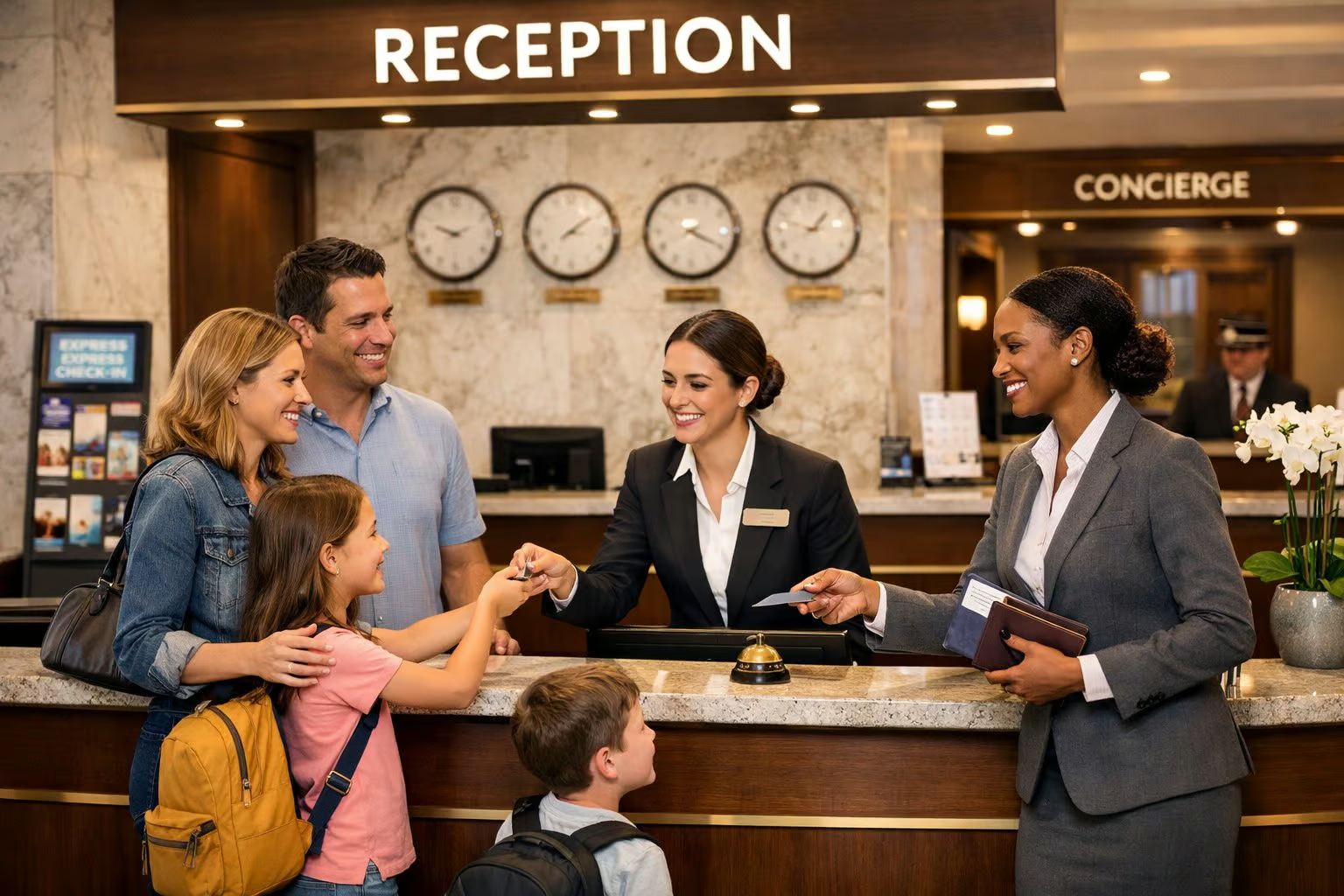
A great guest experience does more than create happy customers—it drives repeat bookings, increases spending, and generates word-of-mouth referrals that cost you nothing. When you focus on personalisation, memorable moments, and smart service recovery, you turn one-time visitors into loyal advocates for your business.
Personalisation in Hospitality Services
Your guests expect you to recognise them as individuals, not room numbers or reservation codes. Basic personalized marketing starts with using names and remembering preferences. The real revenue impact comes from tracking guest data in your booking system to create tailored offers.
Track dietary requirements, room preferences, past complaints, and celebration dates. A guest who mentioned their wedding anniversary last year becomes a repeat booking when you send them a special offer as the date approaches.
Strategic hotel marketing often relies on these small personal details. Simple personalisation tactics that increase bookings:
-
Pre-arrival emails asking about special requests
-
Welcome amenities based on past purchases
-
Room assignments that match stated preferences
-
Recognition of loyalty milestones
The Langham hotel group increased repeat bookings by 23% after implementing detailed preference tracking across their properties. Small operators can achieve similar results using basic customer relationship management tools.
Start with what you already know. Your front desk staff hear valuable information every day—create a system to capture and use it.
Creating Memorable Guest Journeys
Memorable experiences generate social proof through social media posts, online reviews, and personal recommendations. You need to identify three to five moments during each guest's stay where you can exceed expectations in unexpected ways.
Map your typical guest journey from booking to checkout. Look for pain points you can eliminate and ordinary moments you can elevate. A complimentary local map becomes memorable when you mark your personal recommendations with handwritten notes.
Budget-friendly memorable moments include surprise room upgrades for special occasions, handwritten welcome notes, local treats at turndown, or connecting guests with unique local experiences other tourists miss. The cost is minimal but the impact on reviews and repeat business is substantial.
Byron Bay's Atlantic restaurant added a Polaroid photo moment for guests, creating thousands of social media posts at virtually no cost.
Focus your efforts on arrival and departure—these bookend moments shape how guests remember their entire experience.
Turning Service Recovery into Repeat Business
Service failures will happen in your business. How you respond determines whether that guest becomes a detractor or your most loyal customer. Research shows guests who experience good service recovery often become more loyal than guests who never had problems.
Respond immediately when issues arise. Acknowledge the problem, apologise sincerely, and offer a solution that exceeds the inconvenience caused. A noisy room complaint resolved with an upgrade and complimentary breakfast can transform a potential bad review into a glowing testimonial.
Effective service recovery steps:
-
Listen without defending or making excuses
-
Apologise and take ownership
-
Fix the immediate problem
-
Offer compensation that feels generous
-
Follow up after checkout
Train your staff to resolve complaints on the spot with pre-approved compensation options. Waiting for manager approval adds frustration and reduces your recovery success rate.
Document every complaint and your resolution in your booking system. This helps you identify recurring issues and shows returning guests you've addressed past problems.
Driving More Bookings with Digital Optimisation

Your website and online presence directly impact your booking numbers. At Tourism Success, we offer specialised services to ensure your digital optimisation turns browsers into buyers and maximises your return from every platform.
Conversion-Focused Website Design
Your website needs to do more than look good—it needs to convert visitors into paying customers. Research shows that 38% of people will stop engaging with a website if the content or layout is unattractive, which means you're losing potential bookings before visitors even see your offers.
Start with mobile optimisation. Over 60% of travel bookings now happen on smartphones, so your site must load quickly and function perfectly on small screens. If your booking process takes more than three clicks, you're losing customers to competitors.
Place your booking button prominently on every page. Use contrasting colours that stand out without clashing with your brand. Display real-time availability, clear pricing, and high-quality photos that showcase your property or experience authentically.
Include social proof like guest reviews, security badges, and cancellation policies upfront. Providing visible social proof helps reduce booking hesitation. A boutique hotel in Byron Bay increased bookings by 34% simply by adding verified guest testimonials to their homepage and streamlining their checkout process from five steps to two.
Actionable takeaway: Test your booking process on a mobile device right now—if it takes more than three taps to reach the payment page, simplify it immediately.
Leveraging Online Travel Agencies and Airbnb
Online travel agencies (OTAs) and Airbnb put your business in front of millions of ready-to-book travellers. Yes, commission fees range from 15-20%, but these platforms deliver qualified customers actively searching for travel accommodation.
Create compelling listings with professional photos, detailed descriptions, and competitive pricing. Your first three photos determine whether travellers click through, so invest in quality photography that highlights your unique features.
Respond to all reviews within 24-48 hours. Properties that reply to reviews see 21% more bookings than those that don't. Even negative feedback becomes an opportunity to demonstrate your customer service commitment.
Use dynamic pricing tools to adjust rates based on demand, local events, and competitor pricing. A farm stay in the Adelaide Hills increased revenue by 28% using automated pricing that lifted rates during peak wine season and offered strategic discounts during quieter periods.
Consider offering exclusive perks for direct bookings while maintaining strong OTA presence. Many successful operators use Airbnb and Booking.com for visibility but encourage repeat guests to book directly through loyalty incentives.
Actionable takeaway: Update all your OTA listings this week with at least 20 high-quality photos and refresh your description to highlight what makes your property different from competitors.
Harnessing Data and Analytics
Your booking data reveals exactly what's working and what's wasting your marketing budget. Google Analytics shows which channels drive the most bookings, while your booking system tracks conversion rates, average stay length, and revenue per guest.
Track these key metrics monthly: website traffic sources, booking conversion rate, average booking value, and cost per acquisition. A tour operator in Cairns discovered through analytics that Instagram ads delivered bookings at half the cost of Google Ads, allowing them to reallocate budget and double their customer base.
Set up conversion tracking for every marketing channel. You need to know whether your $500 Facebook campaign generated actual bookings or just likes and shares. Install tracking pixels from Google, Facebook, and your OTA partners to follow the complete customer journey.
Use A/B testing to improve results continuously. Test different booking button colours, headline copy, photo arrangements, and special offer formats. Small changes often produce surprising results—changing a “Book Now” button to “Check Availability” can lift conversions by 15-20%.
Review your cancellation and refund data to identify patterns. High cancellation rates for specific dates or packages signal problems you can address before they impact revenue further.
Actionable takeaway: Schedule 30 minutes each month to review your top three traffic sources and conversion rates—this simple habit helps you spot opportunities and problems before they significantly impact your bottom line.
Boosting Visibility: Social Media and Content Marketing
Your tourism business needs strategic social media engagement and authentic visual content to reach travellers where they spend most of their time online. Strong video content and real customer experiences create the emotional connection that turns browsers into bookers.
Building a Compelling Social Media Presence
You can't afford to treat social media as an afterthought anymore. Travellers research destinations and accommodations on platforms like Instagram and Facebook before they even visit booking sites. This is why destination marketing is so critical, as it shapes the perception of the area before they even pick a hotel.
Focus on platforms where your ideal customers actually spend time. Integrating influencer marketing into your strategy helps you reach established audiences. Luxury resorts should prioritise Instagram and Pinterest for their visual appeal. Budget hostels might find better engagement on TikTok with younger backpackers. Adventure tour operators can build communities on YouTube with detailed expedition content.
Post consistently rather than sporadically. Your audience needs to see regular updates to stay engaged with your brand. Create a simple content calendar that includes a mix of promotional posts, behind-the-scenes glimpses, and local area highlights.
Cross-promote your content across multiple platforms to maximise reach. Share Instagram Reels on Facebook. Turn blog posts into LinkedIn articles. Repurpose one piece of content into several formats to get more value from your efforts.
Track which posts drive actual bookings, not just likes. Use platform analytics to identify what content resonates with your audience and adjust your strategy accordingly.
Showcasing Authentic Customer Stories
Real guest experiences sell your business better than any marketing copy you could write. User-generated content builds trust because it comes from genuine travellers, not your marketing team.
Encourage guests to share their experiences by creating shareable moments at your property. Install an Instagram-worthy mural. Set up a scenic photo spot with your business name visible. Make it easy and fun for guests to tag your location.
Create a branded hashtag for your business and display it prominently around your property. Feature the best guest photos on your own social channels (with permission). This recognition encourages more guests to share their content.
Share video testimonials from satisfied customers on your website and social media. Short clips of guests describing their favourite moments carry more weight than written reviews alone.
Respond to every review and social media mention, positive or negative. Your responses show potential customers how you treat guests and handle concerns. This engagement demonstrates that real people run your business and care about guest satisfaction.
Video Marketing and Virtual Tours
Video content dominates social media algorithms in 2026, giving your tourism business more organic reach than static images. Video content is increasing across social platforms, with Facebook and Instagram showing particular growth in video posts.
Create short-form videos for platforms like TikTok, Instagram Reels, and YouTube Shorts. Quick 15-30 second clips showcasing your property's best features, local attractions, or unique experiences are perfect for capturing attention. You don't need expensive equipment—a smartphone and natural lighting work perfectly for authentic tourism content.
Develop virtual tours that let potential guests explore your property before booking. Virtual reality marketing provides an immersive experience that builds trust. 360-degree videos help travellers make confident decisions. Embed these tours on your website to increase booking conversions.
Start a YouTube channel with longer content that positions you as a local expert. Create guides to nearby attractions, seasonal activity recommendations, or detailed facility walkthroughs. Growing your YouTube channel requires consistent uploads and attention to titles that grab viewers' interest.
Record simple behind-the-scenes content showing your team preparing rooms, cooking meals, or maintaining facilities. This transparency builds trust and gives your business a human face that resonates with travellers seeking authentic experiences.
Loyalty and Rewards Programmes that Drive Repeat Stays
A well-structured loyalty programme turns one-time guests into regular customers who book directly and spend more per visit. The key is creating rewards that feel valuable enough to change booking behaviour whilst remaining financially sustainable for your business.
Designing Effective Rewards Structures
Your loyalty programme needs a clear value exchange that guests can understand immediately. Start with a simple points system where guests earn one point per dollar spent, then offer rewards at achievable thresholds like 500 points for a free night or 200 points for a room upgrade.
Tiered programmes work exceptionally well in hospitality. Create three levels such as Silver, Gold, and Platinum based on annual nights stayed or spending. Each tier should offer progressively better benefits like early check-in, late checkout, free breakfast, or guaranteed room availability during peak periods.
Effective reward options include:
-
Free nights after a set number of stays
-
Room upgrades on arrival
-
Dining credits at your restaurant
-
Spa treatment vouchers
-
Welcome amenities or drinks
-
Priority booking for popular dates
The Accor Live Limitless programme demonstrates this approach successfully by offering members instant benefits from their first stay, encouraging immediate engagement.
Make redemption straightforward. Guests should access their points balance through your website and book rewards without jumping through hoops. If the process feels complicated, your programme won't drive the repeat bookings you're after.
Promoting Travel Rewards for Direct Bookings
Your loyalty programme should incentivise direct bookings to avoid third-party commission fees. Offer double points for bookings made through your website or phone, and make this benefit prominent on every page of your site.
Create exclusive member rates that undercut online travel agency prices by 5-10%. This immediately shows guests the financial advantage of booking direct whilst building your customer database.
Promote your programme through:
-
Pop-ups on your booking engine
-
Email signatures with points balance
-
Welcome folders in guest rooms
-
Social media campaigns highlighting member perks
-
Staff mentions during check-in
Qantas Hotels partners with Qantas Frequent Flyer to let guests earn travel rewards, broadening the appeal beyond single-property benefits. Consider partnerships with local attractions or airlines to make your programme more compelling.
Send personalised emails showing guests how close they are to their next reward. A message saying “You're just 150 points away from a free night” drives urgency far better than generic newsletters.
Train your front desk team to enrol guests at check-in and explain the immediate benefits they'll receive. Make joining simple with a tablet at reception or a QR code that takes 30 seconds to complete.
Revenue Management and Smart Pricing Tactics
Setting the right price at the right time can dramatically boost your revenue without adding a single room or tour slot. Modern pricing tools help you respond to demand shifts and maximize every booking opportunity through strategic selling techniques.
Dynamic Pricing Strategies for Profit
Your pricing should flex with market demand, just like airlines and major hotel chains do. Dynamic pricing means adjusting your rates based on factors like seasonality, local events, competitor pricing, and booking patterns.
Start by identifying your high and low demand periods. A beachside resort in Queensland might charge premium rates during school holidays but offer midweek discounts in February. Track local festivals, conferences, and sporting events that drive demand spikes in your area.
Pricing optimisation software helps tourism businesses analyse customer behaviour and competitive positioning in real time. These AI-powered tools automatically suggest optimal price points that balance occupancy with profit margins.
Consider time-based pricing tiers. Offer your best rates for guests who book 60-90 days ahead, moderate pricing at 30 days, and premium rates for last-minute bookings when demand is confirmed. Some properties successfully use surge pricing during peak periods, increasing rates by 20-40% when occupancy exceeds 80%.
Actionable takeaway: Review your booking data from the past two years to identify your top five demand drivers, then create a pricing calendar that captures premium rates during these windows.
Upselling and Cross-Selling Techniques
Every guest interaction presents an opportunity to increase transaction value through thoughtful recommendations. Upselling means encouraging guests to choose premium versions of what they're already buying, whilst cross-selling offers complementary products or services.
Train your team to suggest room upgrades during check-in when availability permits. A simple “We have a harbour view room available for just $40 more per night” converts 15-25% of the time at well-trained properties. Bundle experiences together at a slight discount—combine accommodation with restaurant credits, spa treatments, or local tours.
Create package deals that solve specific guest needs. A “Romance Package” might include champagne, late checkout, and couples massage. A “Family Adventure Bundle” could combine your room rate with theme park tickets and breakfast.
Use email marketing to cross-sell before arrival. Send personalised messages three days before check-in highlighting available activities, restaurant reservations, or airport transfers. This pre-arrival communication typically generates 8-12% additional revenue per booking.
Actionable takeaway: Identify your three most profitable add-on services and create simple scripts for your front-line team to naturally mention these options during booking and check-in conversations.
Expanding Reach Through Innovative Distribution Channels
Your tourism business can't rely on just one or two booking channels anymore. Partnering with local providers and using newer technology platforms helps you reach travellers who might never find you through traditional methods.
Collaborating with Local Experience Providers
When you partner with local tour operators, activity providers, and cultural attractions, you create package deals. Strategic restaurant marketing within these partnerships can appeal to travellers looking for complete experiences rather than just accommodation. Italy's wine tourism sector demonstrates this approach effectively, with visitors contributing over €150 to surrounding industries including agriculture, dining, and retail during their stays.
You can build these partnerships by approaching complementary businesses in your area and proposing joint marketing efforts. For example, a boutique hotel might partner with a local cooking school to offer culinary weekends, or a tour company could work with multiple accommodation providers to create multi-day itineraries.
Cross-promotion works both ways. When the cooking school mentions your hotel to their students, and you recommend their classes to your guests, both businesses benefit. You'll also share marketing costs while reaching each other's customer bases.
Key action: Identify three non-competing local businesses this month and propose one joint package that combines your services with theirs.
Utilising Metasearch and Emerging Platforms
Metasearch engines like Google Hotel Search, Trivago, and Kayak compare prices across multiple booking sites, helping travellers find the best deals. Your business needs visibility on these platforms because many customers start their search there before booking directly or through an online travel agency.
You should claim and optimise your business listings on these platforms, ensuring your pricing stays competitive. Many metasearch engines also allow direct booking links, which means you can capture customers without paying hefty commission fees to intermediaries.
Beyond metasearch, consider newer platforms that cater to specific traveller types. Social media booking features, sustainable travel platforms, and local experience marketplaces are growing channels. These platforms often have less competition than established sites, giving your business better visibility.
Key action: Set up your business profile on at least two metasearch platforms you're not currently using, and test direct booking integration to reduce commission costs.
Attracting New Markets: Niche and Experiential Tourism
Special interest travellers seek unique, personalised experiences rather than standard holiday packages. Wine and culinary tourism represents one of the fastest-growing segments you can tap into today.
Catering to Special Interest Travellers
Your business can boost profits by targeting travellers with specific passions and hobbies. These guests typically spend 20-30% more than general tourists because they're willing to pay premium prices for specialised experiences.
Start by identifying niche markets that align with your location's strengths. Photography tours, birdwatching expeditions, yoga retreats, and historical walking tours all attract dedicated audiences. Adventure seekers want mountain biking, rock climbing, or wilderness survival experiences.
The key is creating authentic, hands-on activities that can't be replicated elsewhere. A farm stay in rural Victoria might offer sheep shearing demonstrations and wool craft workshops. A coastal property could provide marine biology tours or fishing masterclasses.
Partner with local experts who bring credibility and deep knowledge. Your guests want genuine connections, not superficial tourist traps. Market these offerings through specialised travel forums, hobby groups, and social media communities where your target audience gathers.
Your action step: Choose one special interest that matches your location's unique features and develop a detailed package around it within the next month.
Tapping into Growth Segments like Wine and Culinary Tourism
Food and wine tourism now accounts for $13 billion in annual Australian visitor spending. Your business can capture this market even without owning a winery or restaurant.
Create partnerships with local producers, restaurants, and cellar doors. Design multi-stop tasting tours, cooking classes, or farm-to-table dining experiences. Effective restaurant marketing highlights these regional ingredients to attract food-focused travellers. Margaret River operators successfully bundle accommodation with winery visits and gourmet restaurant bookings.
Focus on the story behind the food and wine. Travellers want to meet the winemaker, visit the vineyard at harvest time, or learn traditional cooking methods from local chefs. These personal connections create memorable experiences worth sharing on social media.
Package your culinary offerings with accommodation for maximum value. Weekend getaways combining wine tasting, cooking workshops, and comfortable lodging command higher prices than each element sold separately.
Your action step: Contact three local food or wine producers this week to explore partnership opportunities that benefit both businesses.
Improving Operational Efficiency to Enhance Profit Margins
Cutting costs without sacrificing quality is one of the fastest ways to boost your bottom line. Modern technology and smarter workflows can reduce labour expenses, speed up service delivery, and free up your team to focus on guest experience.
Adopting Hospitality Technology Solutions
Your business can dramatically cut operational costs by investing in the right tech tools. Cloud-based property management systems eliminate manual booking errors and reduce front-desk workload by up to 40%. Self-service kiosks and mobile check-in apps let guests bypass queues whilst your staff handles more valuable tasks.
AI-powered customer service enhancements have proven particularly effective. Major travel companies have reduced integration times by 70% through AI-driven onboarding processes. These same tools can automate guest communications, answer common questions instantly, and personalise recommendations based on booking history.
Consider implementing:
-
Revenue management software that adjusts pricing based on demand patterns
-
Automated inventory systems for food and beverage operations
-
Digital payment solutions that reduce processing fees and speed up transactions
-
Energy management systems that cut utility costs by 15-25%
Actionable takeaway: Start with one high-impact technology that addresses your biggest operational bottleneck, whether that's booking management or customer service response times.
Streamlining Service Workflows
Mapping out your current processes reveals hidden inefficiencies that drain profits daily. Look at every guest touchpoint from reservation to checkout and identify redundant steps.
Cross-training your staff creates flexibility that reduces overtime costs and scheduling headaches. When team members can cover multiple roles, you maintain service quality during peak periods without hiring additional workers. This approach proved essential for restaurants showing cautious optimism in 2026 despite rising labour costs.
Standardise your most common procedures with checklists and templates. Housekeeping teams that follow consistent room-cleaning protocols finish 20% faster whilst maintaining quality standards. Kitchen staff using prep lists and portion guides reduce food waste significantly.
Batch similar tasks together rather than switching between different activities. Process all check-ins during a designated window, handle supplier orders at specific times, and schedule maintenance during low-occupancy periods.
Actionable takeaway: Track how long routine tasks actually take versus how long they should take, then redesign workflows to eliminate the biggest time-wasters first.
Navigating Economic Trends for Sustainable Growth
Your tourism business needs to respond quickly when economic conditions shift. Consumer spending patterns and interest rate movements directly impact your bookings and revenue.
Adapting to Shifts in Consumer Discretionary Spend
Consumer discretionary spending rises and falls with economic confidence. When your potential guests feel uncertain about their finances, they cut back on travel first.
You'll notice this in booking windows shortening and guests choosing cheaper accommodation options. During the 2023-2024 cost of living pressures, Australian hotels saw a 15% increase in last-minute bookings as travellers waited for better deals.
Track these warning signs in your market:
-
Declining average booking values
-
Increased price comparison enquiries
-
Shorter length of stays
-
More cancellations or postponements
Your pricing strategy needs flexibility during these periods. Consider creating budget-friendly packages that maintain your profit margins through volume rather than premium pricing. Melbourne's boutique hotels successfully introduced “locals' staycation” rates during economic downturns, filling rooms that would otherwise sit empty.
Add value instead of dropping prices blindly. Bundle experiences, meals, or local attraction tickets to justify your rates whilst giving guests more for their money.
Action steps: Monitor your local consumer confidence index monthly and adjust your promotional calendar based on discretionary spending trends in your source markets.
Mitigating Risks from Interest Rate Changes
Interest rates affect your business in two ways. Higher rates mean your guests have less money after paying mortgages, and your own business loans cost more to service.
When the Reserve Bank raised rates seven times in 2022-2023, Queensland tourism operators reported a 22% drop in domestic family bookings. Your marketing must shift focus during high-rate periods.
Adjust your strategy with these tactics:
-
Target international visitors whose currencies strengthen against the Australian dollar
-
Focus on special occasion travel that guests won't cancel despite economic pressure
-
Offer payment plans for larger bookings to ease immediate financial burden
-
Reduce your own debt exposure during low-rate periods
Your operational costs need review when rates climb. Refinance existing loans before rates peak, and negotiate better terms with suppliers who also feel the pressure. Gold Coast attractions partnered with accommodation providers during the 2023 rate rises, sharing marketing costs and creating joint packages.
Build cash reserves during profitable periods to weather rate increases without cutting essential services. Your guests still expect quality even when they're budget-conscious.
Action steps: Review your debt structure quarterly and lock in fixed rates when economic forecasts predict increases.
Working With Tourism Success for Long-Term Growth
Implementing these strategies can feel overwhelming when you’re busy running day-to-day operations. That is where I come in. My specialised services are designed to take the guesswork out of marketing, providing you with a clear roadmap to increased profitability.
Whether you need a comprehensive audit of your digital presence or a bespoke strategy to attract high-value niches, I work closely with my clients to ensure their unique story is told effectively. My approach is professional yet personal—I treat your business’s success as my own.
Measuring Results and Adapting for Long-Term Success
Your marketing efforts need regular measurement to identify what works and what drains your budget. Smart tourism businesses track their numbers monthly and adjust their strategies based on real data, not guesswork.
Tracking ROI and Customer Acquisition Costs
You need to know exactly how much you spend to gain each new customer. Calculate your customer acquisition cost (CAC) by dividing your total marketing spend by the number of new customers gained in that period.
For example, if you spent $2,000 on Facebook ads last month and gained 40 new bookings, your CAC is $50. Compare this against your average booking value to see if you're making money.
Track these key metrics in a simple spreadsheet:
-
Cost per website visitor
-
Booking conversion rate
-
Average booking value
-
Customer lifetime value
-
Revenue per marketing channel
A Brisbane tour operator discovered their Instagram ads cost $30 per customer whilst email marketing cost only $8. They shifted 60% of their budget to email campaigns and doubled their profit margin within three months.
Set up Google Analytics and your booking system to automatically track where customers come from. Review these numbers every month, not once per year.
Initiating Continuous Improvement Cycles
Test one marketing change at a time so you know what actually improves your results. Run your test for at least two weeks before making decisions.
Try different email subject lines, landing page headlines, or photo selections on your social media posts. A Tasmanian accommodation provider tested two different homepage images and found that showing happy guests increased bookings by 23% compared to showing empty rooms.
Create a monthly review routine. Look at what worked, what failed, and why. Ask your new customers how they found you during the booking process.
Your monthly improvement checklist:
-
Review booking sources and conversion rates
-
Identify your best-performing content or ads
-
Stop campaigns with CAC above your profit margin
-
Double down on what's working
-
Test one new marketing approach
Keep a simple log of all changes you make and their results. This becomes your playbook for future seasons.
Frequently Asked Questions
Tourism and hospitality businesses often face similar challenges when trying to grow their customer base and increase revenue. These answers address the most common questions about building partnerships, managing your reputation, creating premium packages, implementing sustainable practices, using digital marketing, and delivering exceptional service.
How can you leverage local partnerships to boost your tourism business's visibility and customer base?
Local partnerships create opportunities to reach customers you wouldn't normally access on your own. Partner with complementary businesses like restaurants, transport providers, or activity operators to create cross-promotional arrangements.
You can offer package deals that combine your services with theirs. A hotel might partner with a local winery to offer accommodation and tasting packages, or a tour operator could team up with a café to include breakfast vouchers.
Joint marketing efforts split the costs while doubling your reach. You could share booth space at travel expos, co-host events, or feature each other in your marketing materials and social media posts.
Tourism boards and regional marketing organisations provide free promotional opportunities. List your business in their directories, participate in their campaigns, and attend their networking events to connect with other operators.
Partner with local influencers and content creators who already have the audience you want to reach. Using influencer marketing and influencer partnerships allows you to showcase your business authentically. Influencer collaborations often result in high-quality content that drives engagement.
Start by identifying three businesses that serve your ideal customer but don't compete with you directly, then propose a simple partnership idea that benefits both parties.
What are the most effective strategies for review management and managing your online reputation to attract more travellers?
Consistent review management, reputation management, and your online reputation directly impact booking decisions. Strong social proof is essential for building trust with new visitors. Most travellers read reviews before they choose where to stay or what to do. Claim your profiles on TripAdvisor, Google Business, and Booking.com to control your business information.
Respond to every review within 48 hours, whether positive or negative. Thank guests for positive feedback and address concerns in negative reviews professionally without becoming defensive.
Turn negative reviews into opportunities by offering solutions publicly. When potential customers see you handle complaints well, they'll trust you more than businesses with only perfect reviews.
Encourage satisfied guests to leave reviews by making it easy. Send follow-up emails with direct links to your review profiles, or provide QR codes at checkout that take them straight to your review pages.
Monitor your online mentions across all platforms using free tools like Google Alerts. You need to know what people say about your business even when they don't tag you directly.
Address patterns you notice in feedback quickly. If multiple guests mention the same issue, fix it and then mention the improvement in your responses to show you listen.
Set aside 15 minutes each day to check and respond to reviews across all platforms, making reputation management part of your regular routine rather than a crisis response.
In what ways can you create unique, experience-based packages that command higher prices and increase guest loyalty?
Travellers increasingly value experiences over basic accommodation or generic tours. Design packages around specific interests like food and wine, adventure activities, wellness retreats, or cultural immersion.
Add exclusive elements that guests can't book separately. Private access to attractions, meet-and-greets with local artisans, or behind-the-scenes experiences justify premium pricing.
Create themed packages tied to local events, seasons, or special occasions. A vineyard accommodation could offer a vintage weekend during harvest season, or a coastal resort might create a whale-watching package during migration.
Bundle services to increase your average transaction value. Instead of selling just a room, package it with breakfast, a guided tour, and dinner at a partner restaurant for a higher total price.
Personalisation adds value without massive cost increases. Offer customisable elements like dietary preferences, activity difficulty levels, or special occasion add-ons.
Tell the story behind your experiences in your marketing. Guests pay more when they understand the unique value, local connections, and expertise that goes into what you offer.
Test your premium packages with your most loyal customers first, then refine based on their feedback before promoting widely to ensure you've got the pricing and inclusions right.
Can you explain the benefits of adopting sustainable practices in your operations for customer attraction and retention?
Sustainable practices attract the growing segment of conscious travellers who choose businesses based on environmental and social values. This market segment often has higher spending power and books longer stays.
Reduce operational costs while appealing to eco-conscious guests. Energy-efficient lighting, water-saving fixtures, and waste reduction programs lower your bills whilst giving you genuine sustainability credentials to promote.
Get certified through recognised programs like EarthCheck or Green Globe to give your sustainability claims credibility. Certifications provide marketing materials and help you rank higher in searches from environmentally conscious travellers.
Support local suppliers and communities to create authentic experiences whilst reducing your carbon footprint. Guests appreciate knowing their money benefits local people, and you'll build stronger community relationships.
Communicate your efforts clearly but avoid greenwashing. Show specific actions like solar panels, composting programs, or partnerships with conservation projects rather than making vague environmental claims.
Involve your guests in your sustainability initiatives. Offer optional linen reuse programs, provide refillable water stations, or organise beach clean-ups that make guests feel like participants in something meaningful.
Choose one significant sustainability initiative to implement this quarter, measure the impact, and share the results with your guests to demonstrate your genuine commitment.
How can adopting the latest digital marketing trends significantly improve your booking rates?
Digital marketing lets you reach potential customers exactly when they're planning trips. Focus your budget on platforms where your ideal customers spend time rather than trying to be everywhere at once.
Growing your social media presence on platforms like Instagram and TikTok showcases your experiences visually. Post short videos of guest experiences, behind-the-scenes content, and stunning location shots that inspire bookings.
Use targeted advertising on Facebook and Instagram to reach specific demographics, interests, and locations. You can show your beach resort ads to families in cold climates during winter, or promote your adventure packages to outdoor enthusiasts.
Email marketing delivers the highest return on investment in tourism. Collect email addresses from enquiries and past guests, then send personalised offers, travel tips, and exclusive deals that keep your business top of mind.
Video content performs better than static images across all platforms. Create simple smartphone videos showing guest experiences, property tours, or local attractions rather than investing in expensive professional productions.
Optimise your website for mobile devices since most travel research happens on phones. Your booking process must work smoothly on small screens or you'll lose customers to competitors with better mobile experiences.
Start tracking one key metric this week, whether it's website conversion rate, social media engagement, or email open rates, so you can measure what's actually working.
What specific customer service excellence practices can lead to repeat business and referrals in the hospitality industry?
Exceptional service creates emotional connections that turn first-time visitors into loyal advocates. I’ve built my career on these principles of excellence, integrity, and trust. To learn more about my personal journey and how I can help your business thrive, visit my expert profile or our about page. I’m here to be your partner in growth, and I invite you to join our community for regular, friendly marketing advice delivered straight to your inbox.